When comparing air compressors, one of the most common questions is: why do oil-free models come with a higher price tag than traditional oil-lubricated compressors? At first glance, it might seem counterintuitive—after all, oil-free compressors have a simpler lubrication system. However, the reality is that their advanced engineering, specialized materials, and the value they provide in specific applications justify the cost.
This article explores the key reasons behind the price difference, helping you understand which type might be the best investment for your needs.
1. Advanced Technology and Manufacturing Precision
Oil-lubricated compressors rely on oil to seal, cool, and lubricate moving parts, which allows for somewhat more forgiving tolerances in components. Oil-free compressors, in contrast, must achieve compression without this lubricating layer. This demands:
-
Precision Engineering: Components like cylinders, pistons (in reciprocating types), or rotors (in screw types) must be manufactured to extremely tight tolerances to prevent wear and air leakage.
-
Specialized Coatings: Critical components are often coated with durable, low-friction materials like Teflon (PTFE) or other advanced polymers. These coatings act as a replacement for the oil film, reducing friction and wear. The application of these coatings is a technical and costly process.
-
Multi-Stage Compression: Many industrial oil-free compressors use two or more compression stages with intercooling to achieve higher pressures efficiently without overheating, adding to the complexity and part count.
Key Insight:
The precision required in oil-free compressors is significantly higher, as they cannot rely on oil to fill gaps between moving parts. This precision comes at a manufacturing cost.
2. High-Quality, Wear-Resistant Materials
Without oil for protection, the internal parts of an oil-free compressor are subject to more direct metal-on-metal or metal-on-polymer contact. To ensure a long service life despite this, manufacturers must use superior materials:
-
Stainless Steel or Treated Alloys: Used in compression chambers and valves to resist corrosion and heat.
-
Advanced Composite Materials: For piston rings, seals, and valve plates, which must be self-lubricating and exceptionally durable.
-
These high-spec materials are inherently more expensive than the standard cast iron or steel used in many oil-lubricated compressors.
3. Higher Operational Costs and Shorter Lifespan (in Some Designs)
It's important to note a key trade-off: while the upfront cost is higher, some oil-free compressors (particularly smaller piston types) have a higher operational cost per hour and a shorter overall lifespan in demanding applications. This is because the permanent, dry friction leads to faster wear of the coated components.
The technology premium you pay upfront is for clean air, not always for longevity in continuous industrial use. However, high-end oil-free screw compressors are designed for robust, continuous duty but command an even higher premium.
4. The Value of Clean, Contaminant-Free Air
The primary reason to choose an oil-free compressor is to guarantee 100% oil-free air. This is not a luxury but a strict requirement in sensitive industries:
-
Food & Beverage: Prevents oil contamination in products or packaging.
-
Pharmaceuticals: Essential for meeting strict health and safety regulations (e.g., FDA, GMP).
-
Electronics & Semiconductor Manufacturing: Protects delicate components from oily residues.
-
Medical & Dental Applications: Used for breathable air and to power sensitive instruments safely.
The price includes the certification and assurance that the compressed air meets Class 0 oil-free air standards. This assurance and risk mitigation have significant value for these users.
5. Reduced Maintenance and Hidden Costs
Oil-lubricated compressors require regular oil changes, oil filter replacements, and oil separation maintenance. They also need oil/water separators in the downstream piping to remove oil carry-over from the compressed air.
While oil-free compressors aren't maintenance-free (air filters, valves, and dryers still need care), they eliminate all oil-related maintenance and disposal costs. The higher initial purchase price partially offsets these long-term savings and environmental disposal costs.
Oil-Lubricated vs. Oil-Free: A Quick Comparison
|
Feature
|
Oil-Lubricated Air Compressor
|
Oil-Free Air Compressor
|
|
Initial Purchase Price
|
Lower
|
Higher
|
|
Technology & Materials
|
Conventional, oil-dependent
|
Advanced coatings, precision parts
|
|
Air Output Quality
|
Contains oil aerosols (requires filtration)
|
100% Oil-Free Air (Class 0)
|
|
Typical Lifespan
|
Longer (with proper maintenance)
|
Shorter in comparable duty cycles
|
|
Operating Temperature
|
Runs cooler due to oil cooling
|
Runs hotter, often needs better cooling
|
|
Maintenance Requirements
|
Regular oil/filter changes, oil disposal
|
No oil changes, simpler in this regard
|
|
Ideal For
|
Workshops, garages, manufacturing where oil is not a concern
|
Sensitive industries: food, pharma, electronics, medical
|
Conclusion: It's an Investment in Specific Needs
Ultimately, oil-free air compressors are more expensive because you are paying for sophisticated engineering, premium materials, and the guaranteed delivery of contaminant-free air. For applications where air purity is non-negotiable, the higher initial cost is a justified investment that reduces contamination risk and eliminates oil-related maintenance.
For users whose primary concerns are cost, durability, and continuous heavy-duty operation in a non-sensitive environment, an oil-lubricated compressor remains an excellent and more economical choice.
The decision, therefore, hinges on your specific application: if you need clean air, the value of an oil-free compressor far outweighs its sticker price. If you need high-volume, continuous power and air purity is less critical, an oil-lubricated model offers robust performance at a lower entry cost.


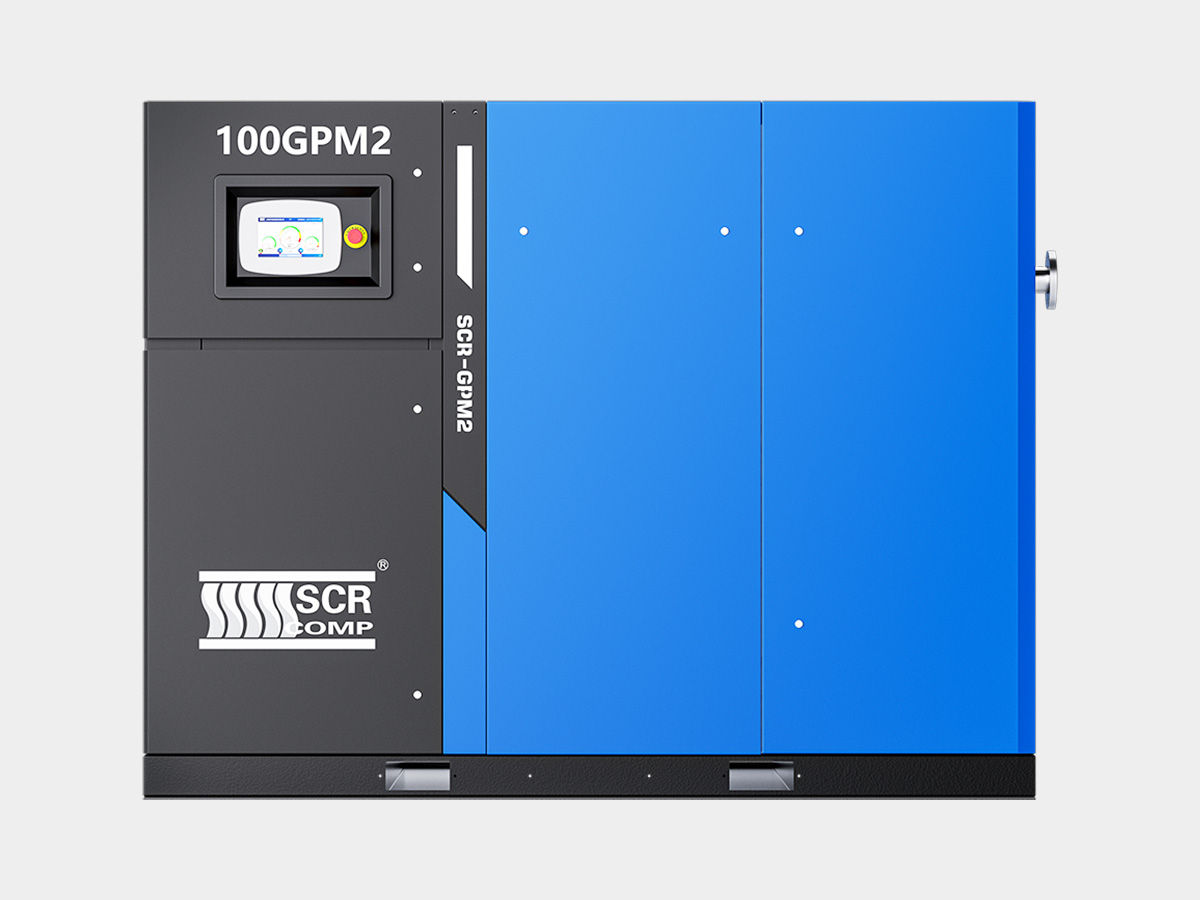 High speed direct drive twin screw oil-free air c
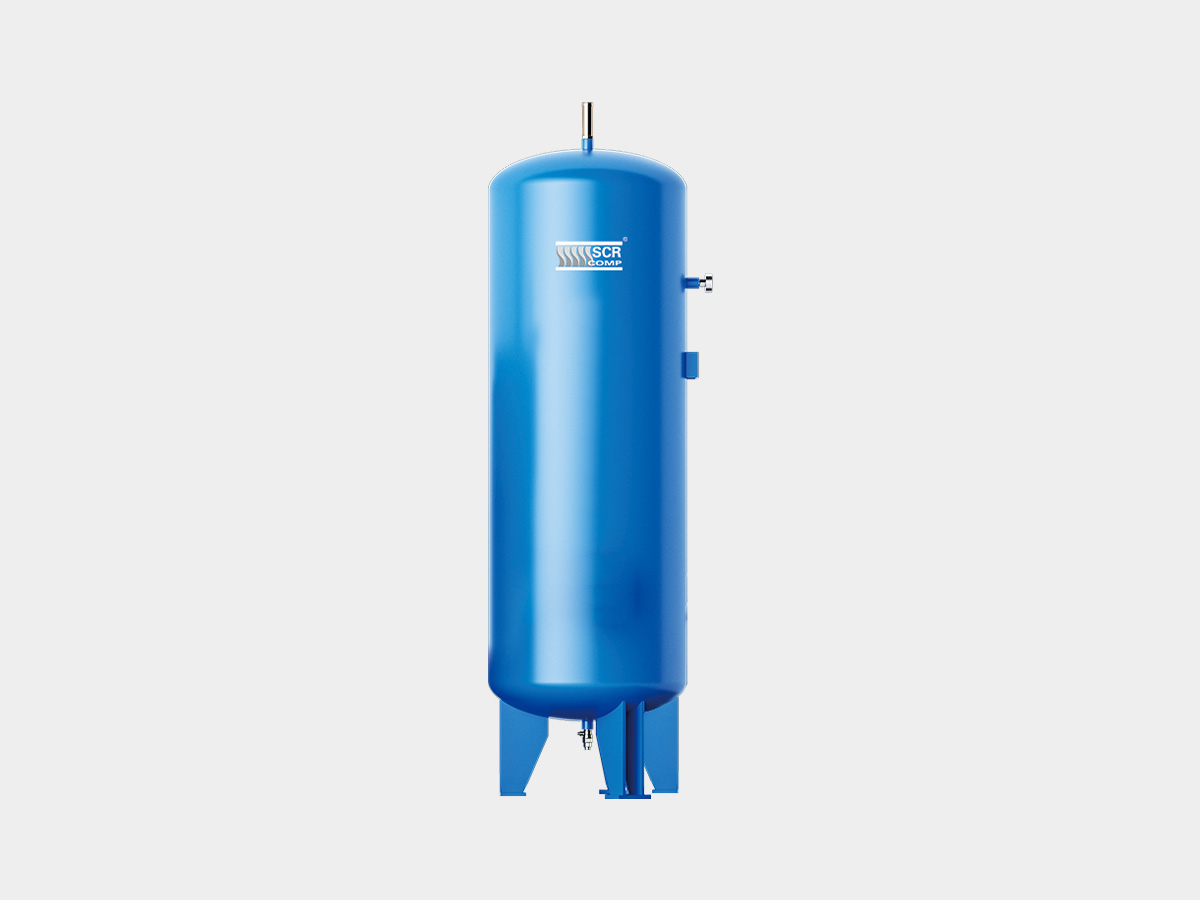 Air Tank
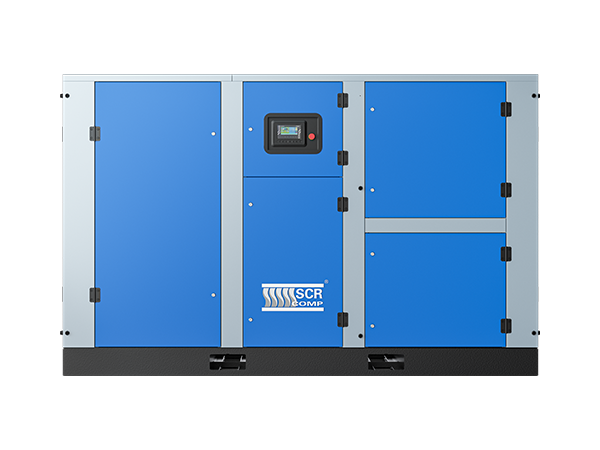 Low pressure Permannent Magnetic VSD screw air c
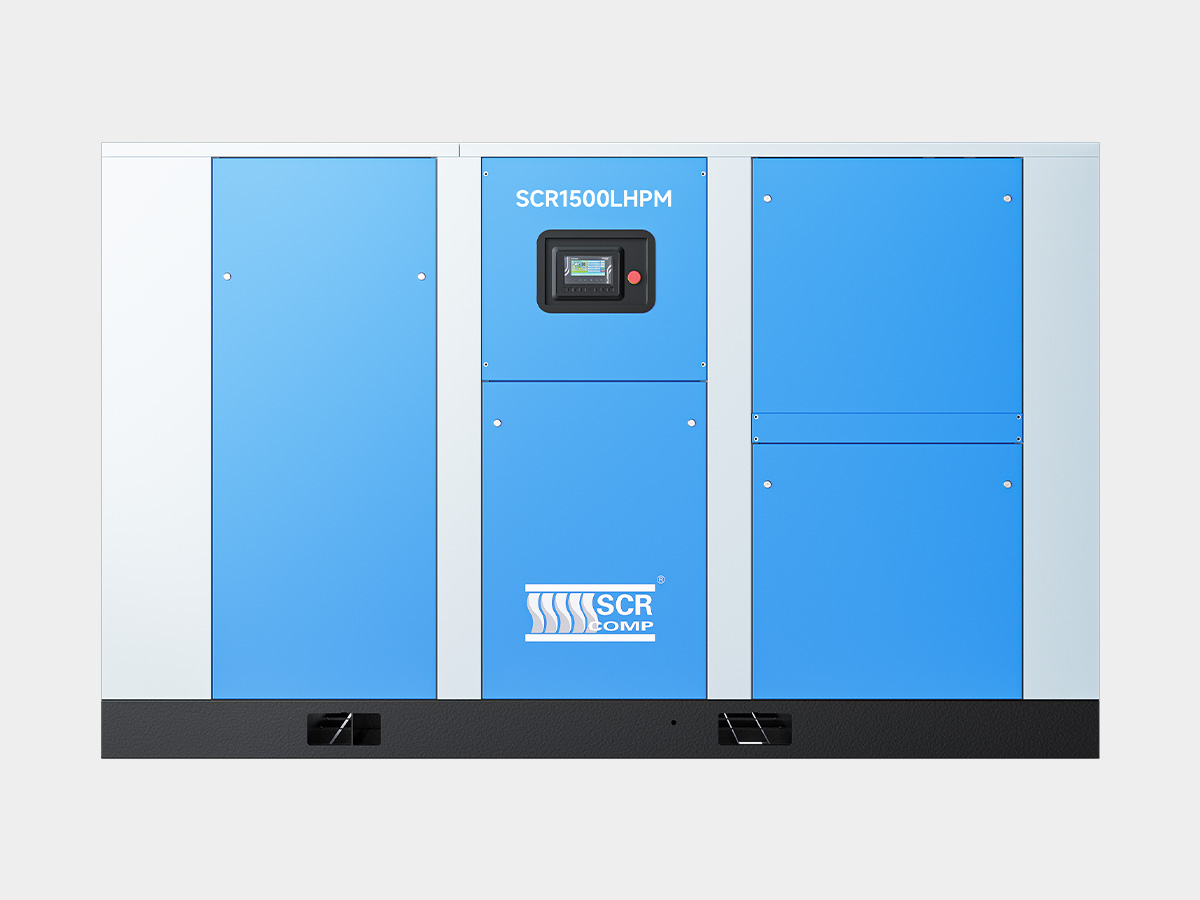 low pressure Two stages screw compressor LH/LHPM
 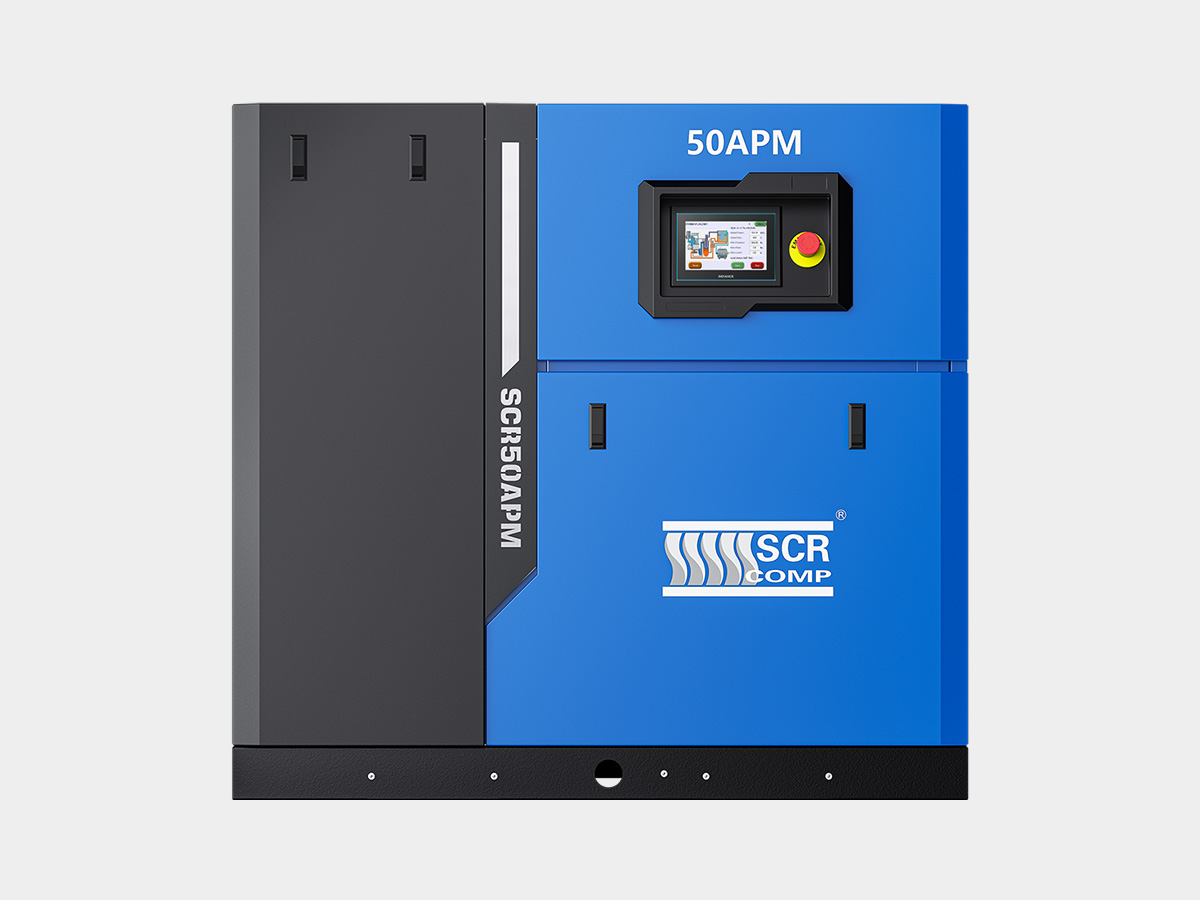 Permanent Magnetic VSD Screw air compressor APM s
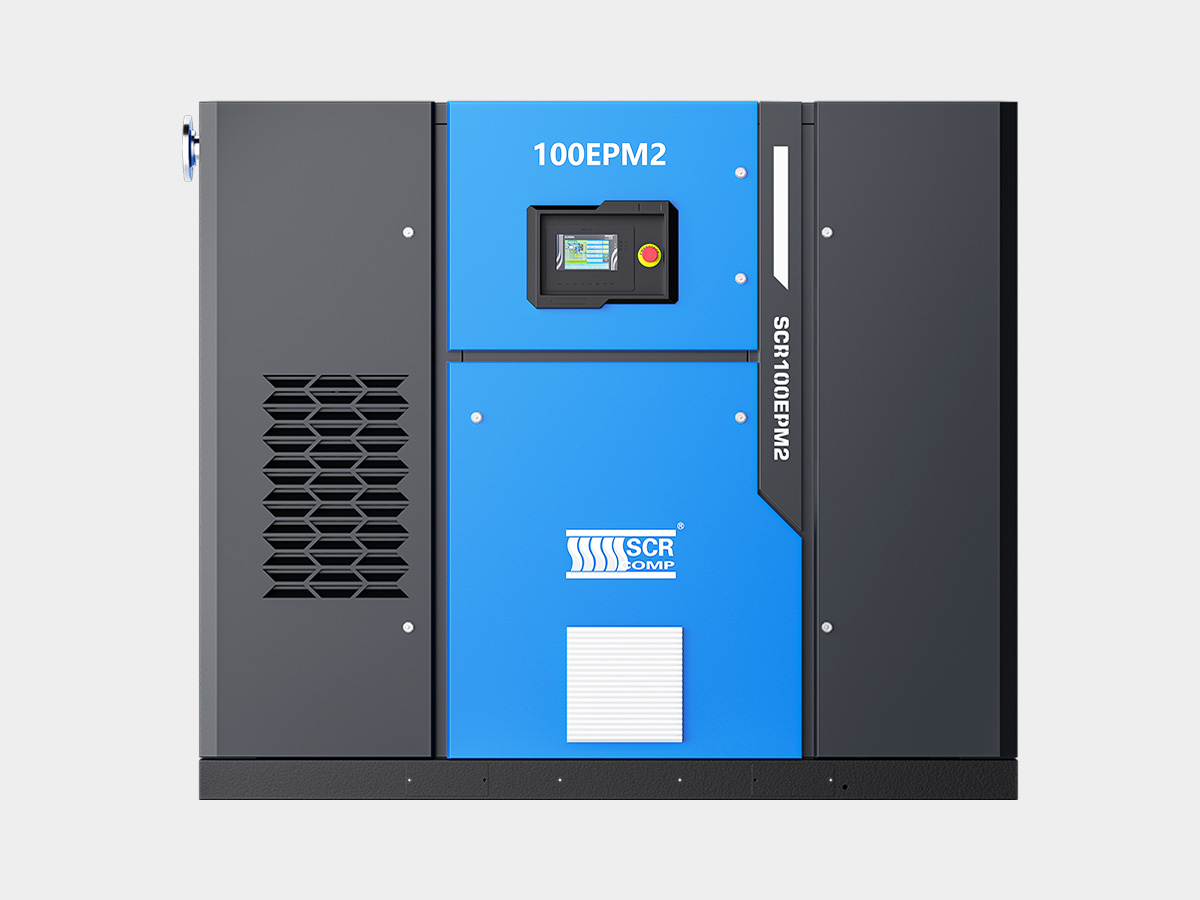 Permanent Magnetic VSD Screw air compressor EPM/E
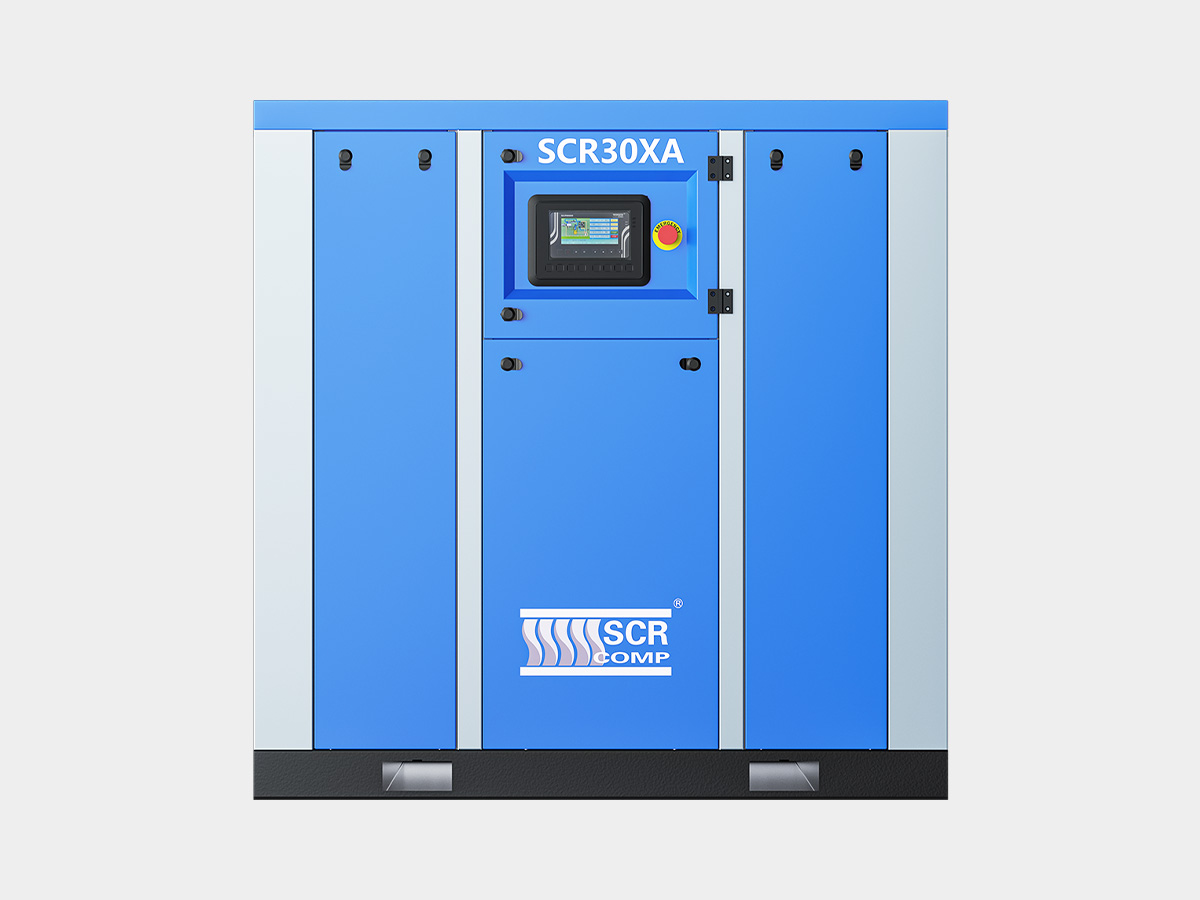 Oil Free Scroll Compressor XA series
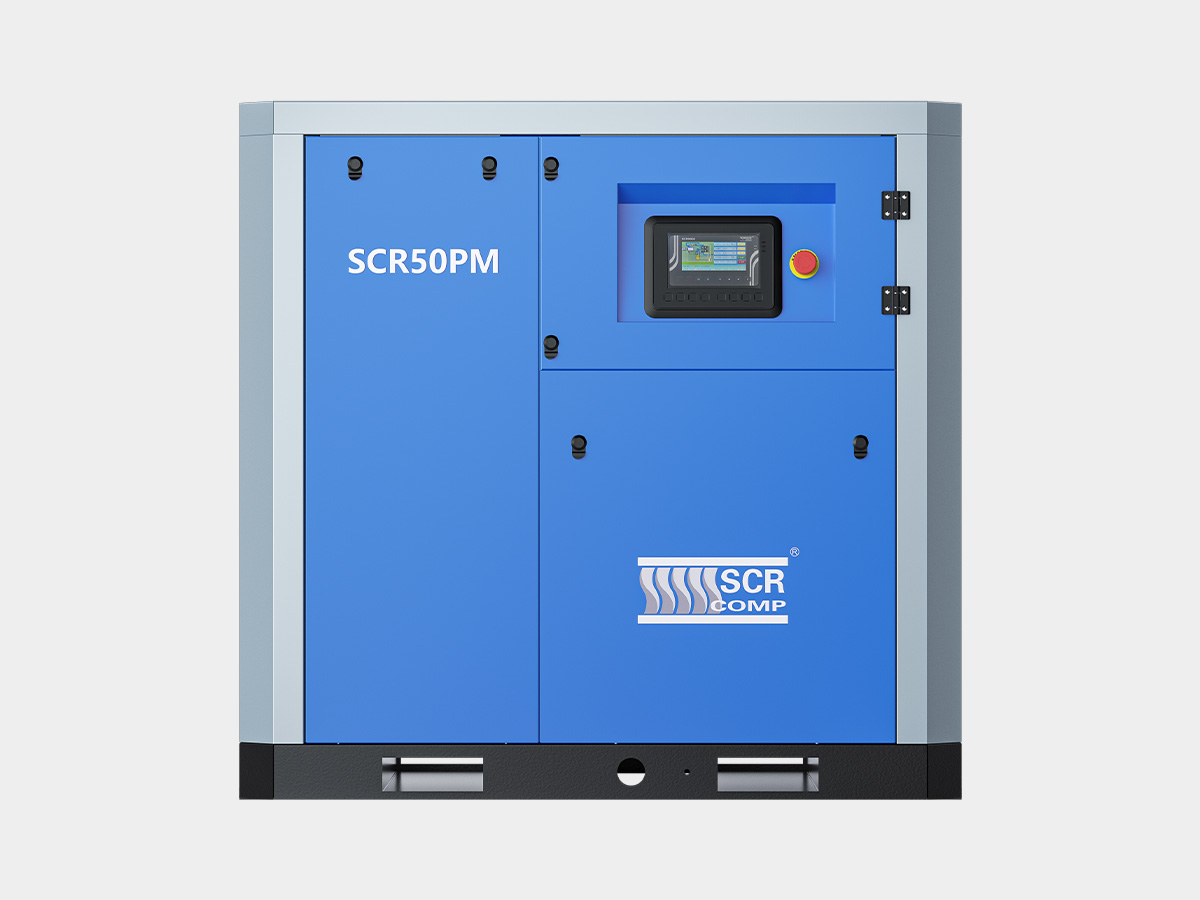 Permanent Magnetic VSD Screw air compressor PM se