What Are the Advantages of Oil-Free Screw Air Compressors Compared to Oil-Free Piston Air Compressors?
When selecting compressed air equipment for applications requiring 100% oil-free air, understanding the differences between screw and piston technologies is critical. This comprehensive comparison highlights why oil-free screw compressors often deliver superior performance, efficiency, and long-term value compared to their piston counterparts.
1. Superior Energy Efficiency and Consistent Airflow
Oil-free screw compressors utilize a continuous rotary motion mechanism that provides steady, pulsation-free airflow with minimal energy waste. The design allows for efficient operation across varying demand levels, particularly when equipped with variable speed drives (VSD).
In contrast, oil-free piston compressors operate through a reciprocating (start-stop) motion, which creates energy spikes during compression cycles and struggles with part-load efficiency. This fundamental difference typically results in screw compressors consuming 15-25% less energy over their operational lifetime.
2. Enhanced Reliability with Less Maintenance
The rotary screw mechanism contains fewer moving parts operating in balanced rotation, significantly reducing mechanical stress and wear. Maintenance typically involves scheduled inspections and component replacements at extended intervals (often 8,000-10,000 operating hours).
Oil-free piston compressors contain numerous wearing components—including valves, rings, and seals—subjected to intense cyclic stress. This necessitates more frequent maintenance, more complex part replacements, and greater system vulnerability to unexpected failures.
3. Quieter Operation and Reduced Vibration
With balanced rotary motion and advanced acoustic engineering, oil-free screw compressors typically operate at 70-75 dB(A), allowing installation in noise-sensitive environments without special accommodations. Their low vibration characteristics eliminate the need for specialized foundations.
Piston compressors generate significant impact noise from reciprocating action, often exceeding 85 dB(A), requiring sound insulation and vibration-dampening measures. The inherent vibration can also contribute to accelerated wear on connected equipment.
4. Optimized for Continuous Operation
Designed specifically for demanding industrial applications, oil-free screw compressors excel in 24/7 continuous operation without performance degradation or overheating concerns. Their cooling systems and thermal management are engineered for sustained heavy-duty use.
Oil-free piston compressors are primarily designed for intermittent duty cycles, requiring regular cooldown periods to prevent overheating and component damage during extended operation.
5. Lower Total Cost of Ownership (TCO)
While the initial investment for an oil-free screw compressor is typically higher, the long-term economics strongly favor this technology. Lower energy consumption, reduced maintenance costs, fewer production interruptions, and extended equipment life (often 60,000+ hours before major overhaul) contribute to a significantly better TCO over 5-10 years.
Piston compressors may appear economical initially but accumulate higher operational expenses through energy inefficiency, frequent part replacements, and potentially earlier equipment replacement needs.
Direct Comparison: Oil-Free Screw vs. Piston Compressors
|
Feature
|
Oil-Free Screw Compressor
|
Oil-Free Piston Compressor
|
|
Operating Principle
|
Continuous rotary motion
|
Reciprocating (start-stop) motion
|
|
Typical Efficiency
|
High (85-95% full-load efficiency)
|
Moderate (70-85% full-load efficiency)
|
|
Maintenance Intervals
|
8,000-10,000 hours
|
2,000-4,000 hours
|
|
Noise Level
|
70-78 dB(A)
|
80-95 dB(A)
|
|
Optimal Duty Cycle
|
Continuous (100% duty cycle)
|
Intermittent (60-70% duty cycle)
|
|
Air Delivery Consistency
|
Steady, pulsation-free airflow
|
Pulsating airflow requiring receivers
|
|
Expected Service Life
|
60,000+ hours to overhaul
|
20,000-40,000 hours to rebuild
|
Key Insight: The efficiency gap between screw and piston technologies widens significantly in variable demand applications. Screw compressors with VSD technology can adapt output precisely to demand, while piston compressors cycle on/off inefficiently.
Conclusion: Making the Right Choice for Your Application
Choose an oil-free piston compressor when: Initial budget constraints are paramount, air demand is minimal (under 20 CFM), operation is strictly intermittent (less than 4 hours daily), and your facility has tolerance for higher noise levels.
Invest in an oil-free screw compressor when: Air demand exceeds 20 CFM, operation is continuous or exceeds 6-8 hours daily, energy costs are a significant concern, reliability is critical to operations, or your application requires quiet equipment operation.
For most industrial and manufacturing applications with substantial air requirements, oil-free screw compressors provide superior long-term value through reliable performance, operational efficiency, and reduced lifetime costs. Their technological advantages make them the preferred choice for businesses focused on productivity, sustainability, and total cost management.


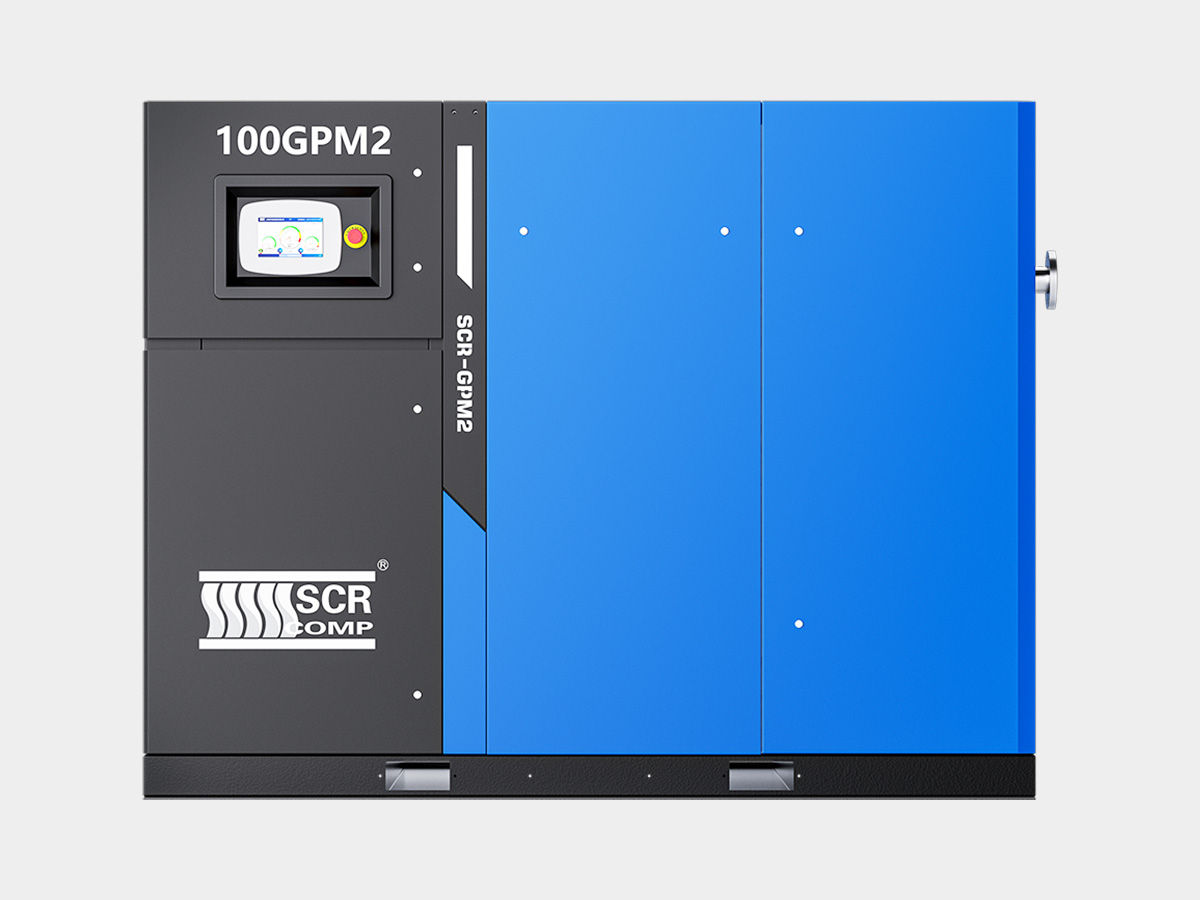 High speed direct drive twin screw oil-free air c
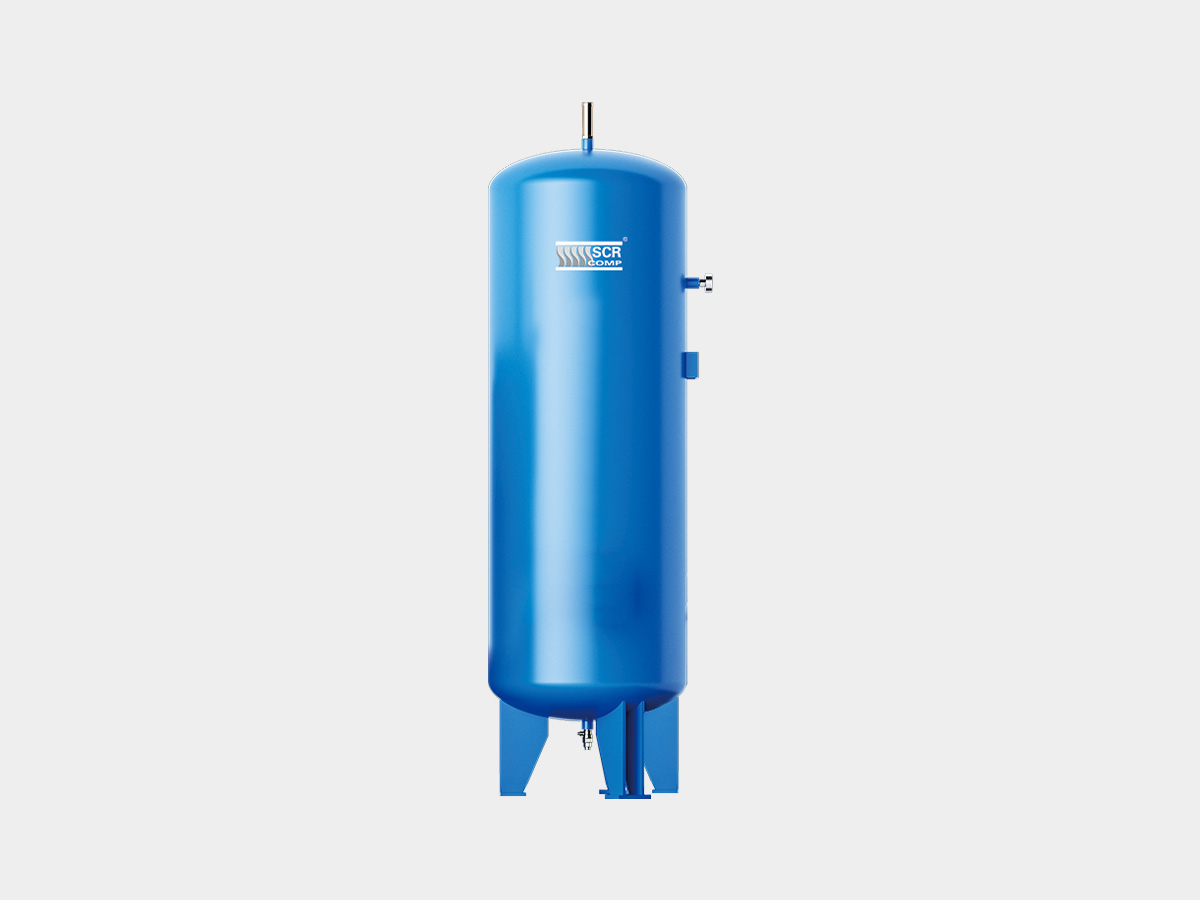 Air Tank
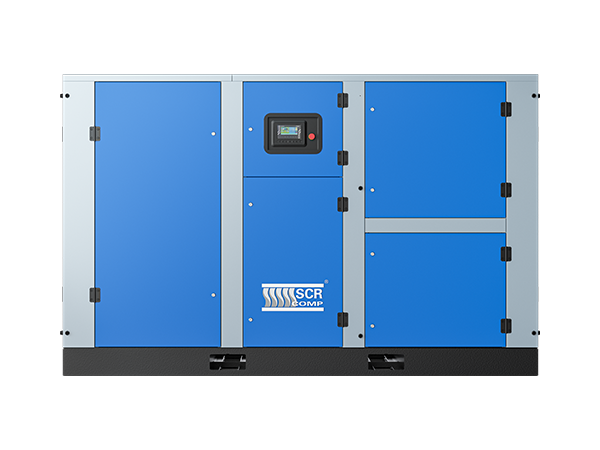 Low pressure Permannent Magnetic VSD screw air c
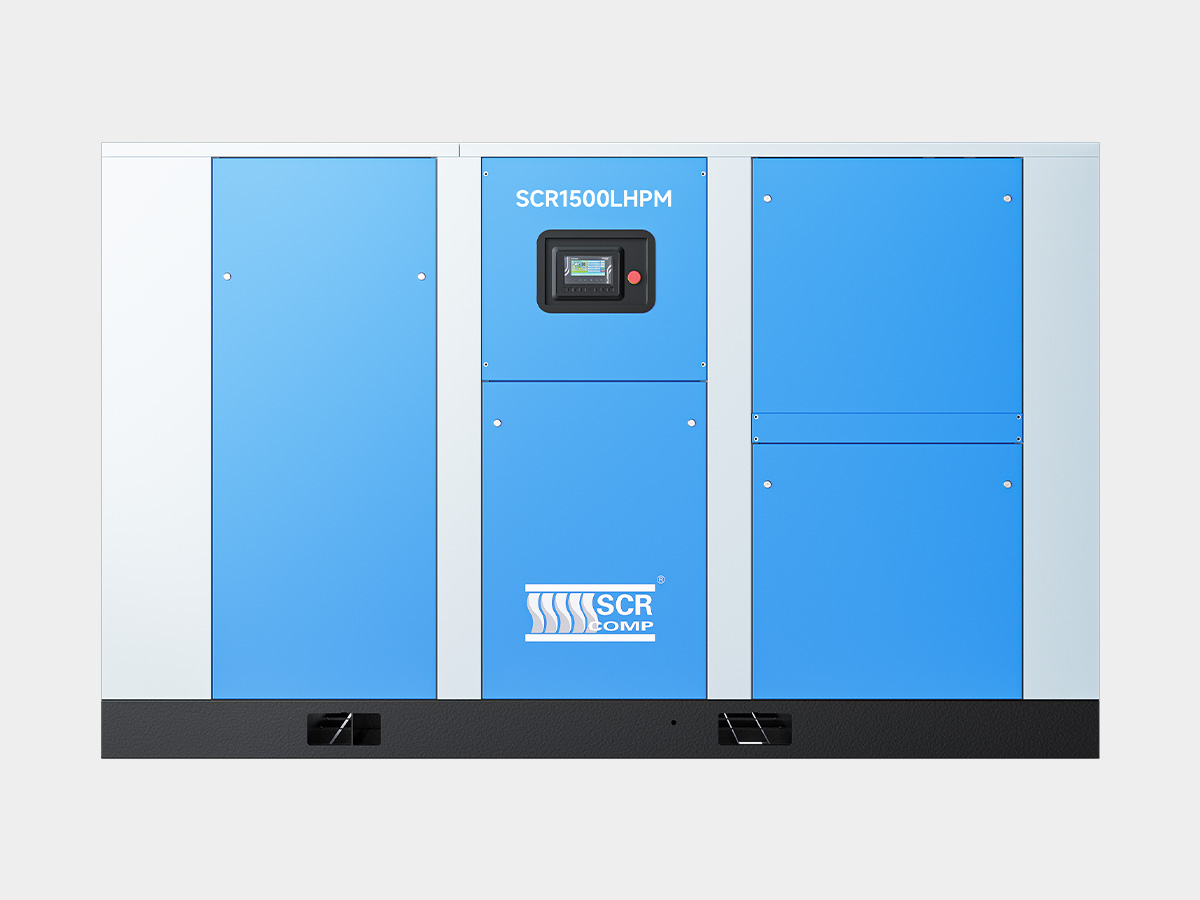 low pressure Two stages screw compressor LH/LHPM
 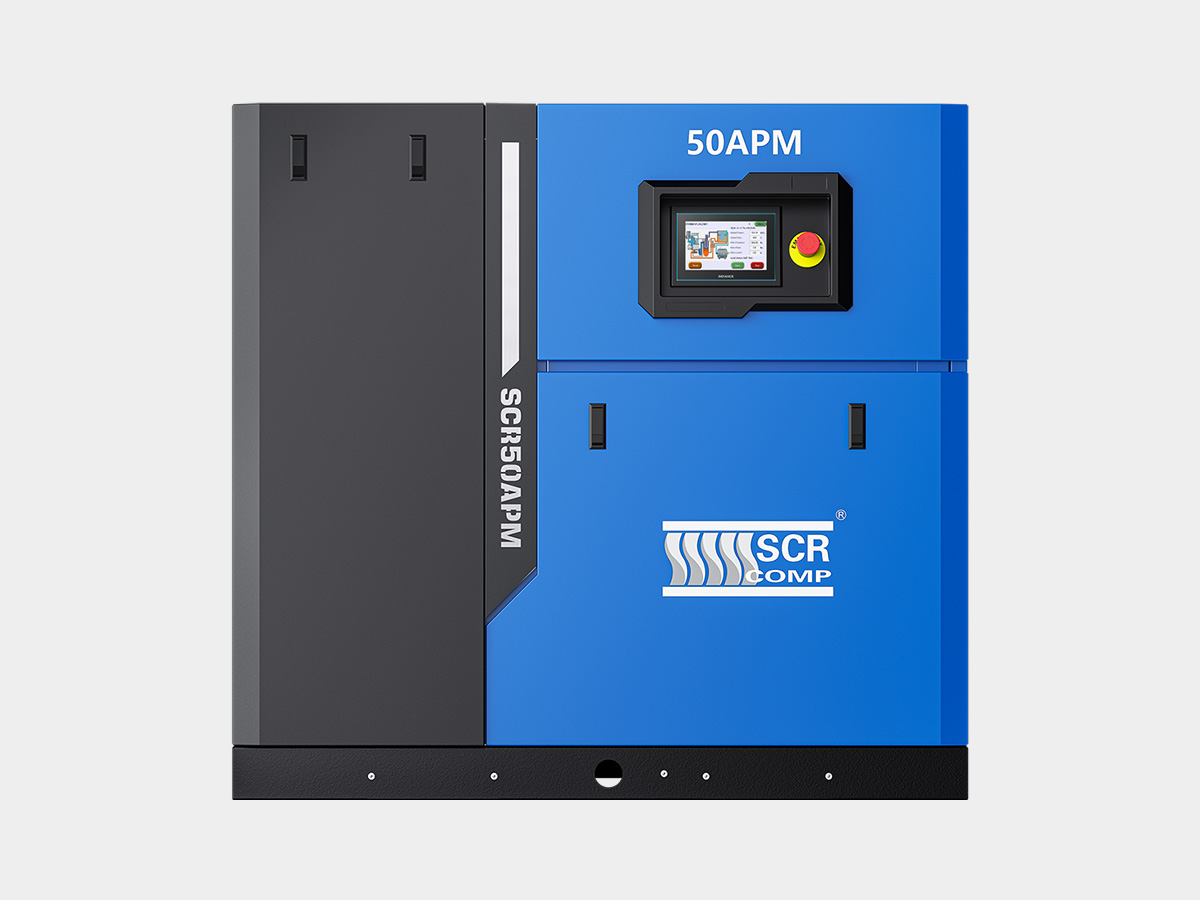 Permanent Magnetic VSD Screw air compressor APM s
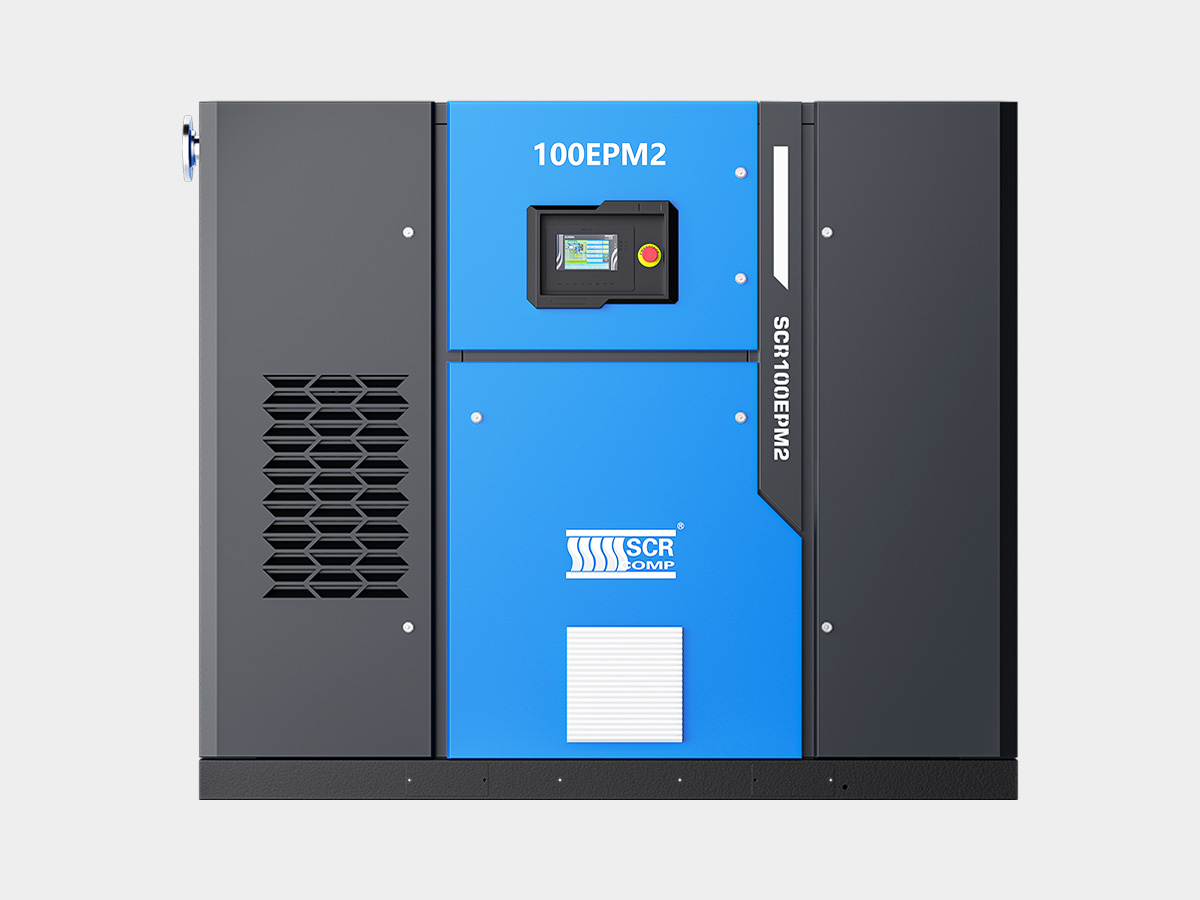 Permanent Magnetic VSD Screw air compressor EPM/E
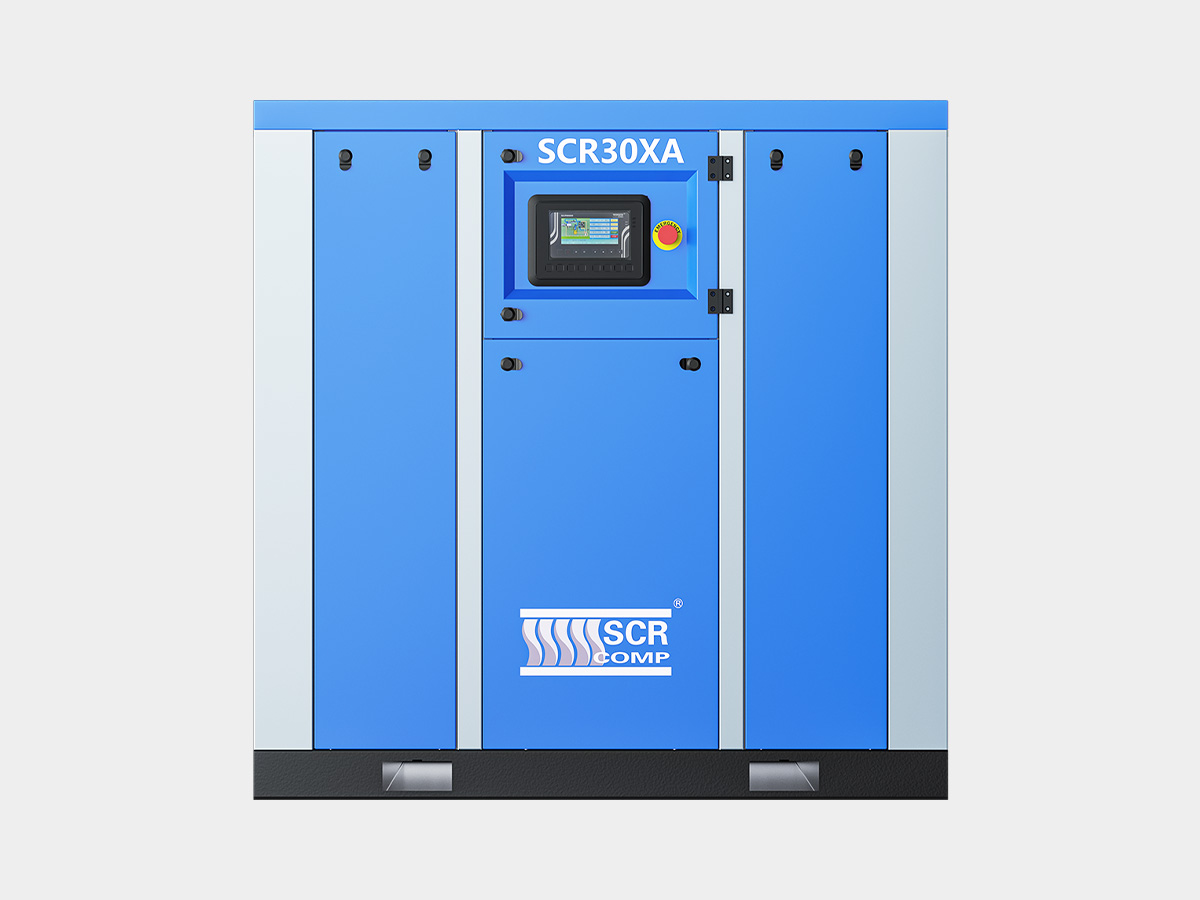 Oil Free Scroll Compressor XA series
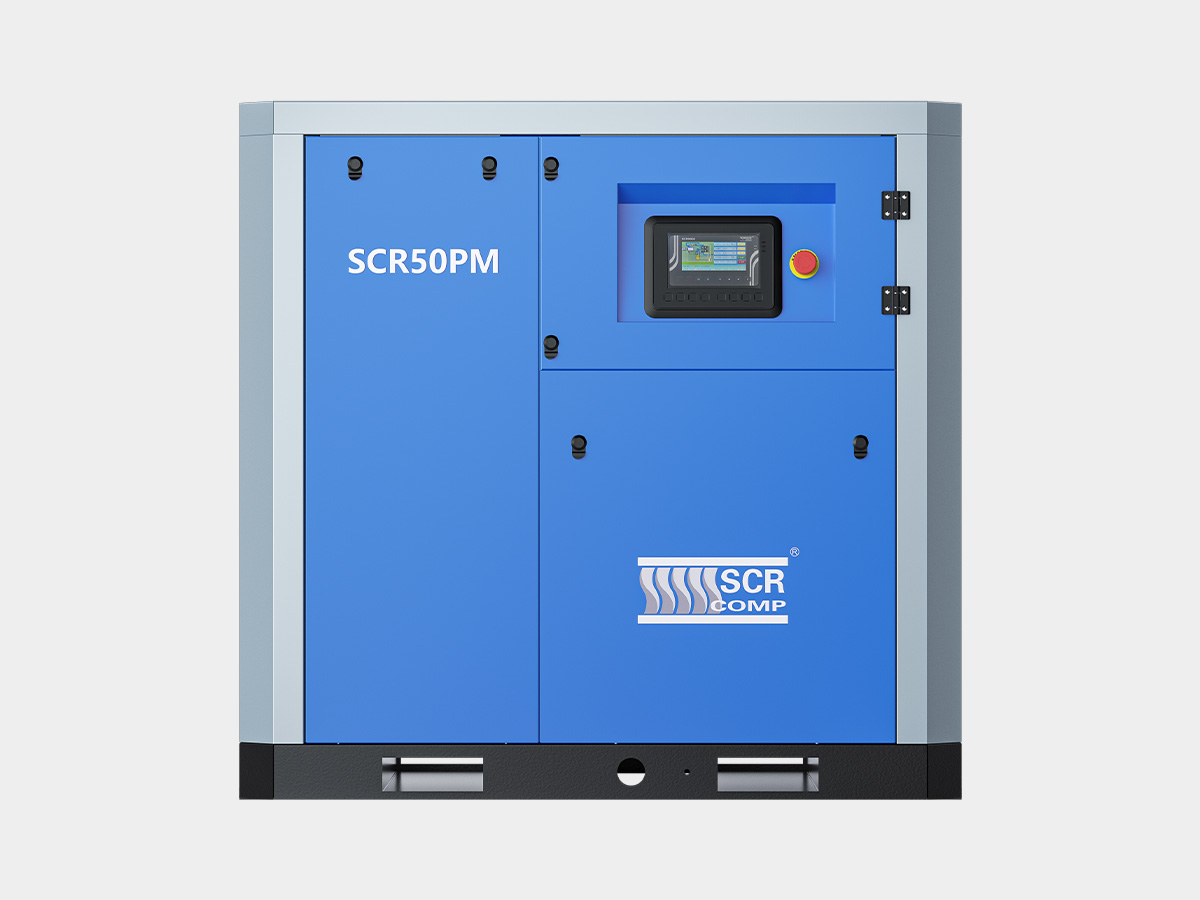 Permanent Magnetic VSD Screw air compressor PM se