
When choosing an oil-free air compressor for critical applications—from healthcare and pharmaceuticals to food processing and electronics manufacturing—reliability isn’t just a preference; it’s a requirement. Downtime can mean compromised products, lost revenue, and damaged reputations. But with several technologies on the market, how do you determine which type stands out as the most dependable? This guide breaks down the leading oil-free compressor designs to help you identify the most reliable option for your needs.
Understanding Oil-Free Compressor Technology
First, a quick clarification: “oil-free” means that the compression chamber uses no lubricating oil, ensuring 100% contaminant-free air. This is achieved through permanently coated or self-lubricating components (like Teflon-coated piston rings) or through designs that eliminate metal-to-metal contact. The three primary types are:
- Scroll (Oil-Free) Compressors
- Rotary Screw (Oil-Free) Compressors
- Piston (Oil-Free) Compressors
Each has a distinct operational principle, which directly impacts its reliability profile.
Head-to-Head Reliability Analysis
1. Scroll Oil-Free Compressors
How they work: Two intermeshing spiral scrolls—one fixed, one orbiting—compress air in gradual, continuous pockets.
- Minimal Moving Parts: The simple design has only one primary moving part (the orbiting scroll), drastically reducing points of potential failure.
- Vibration & Heat: The process is smooth and continuous with very low vibration, reducing stress on components.
- Quiet Operation: Lower mechanical noise correlates with less internal wear and tear.
2. Rotary Screw Oil-Free Compressors
How they work: Two precisely machined, non-contacting helical screws mesh together to compress air as it moves along their length.
- Continuous Duty: Designed for 100% duty cycle, making them exceptionally reliable for 24/7 operations.
- Constant Airflow: Delivers steady, pulse-free air with minimal vibration.
- Durability: When sized correctly, they can run for tens of thousands of hours with planned maintenance.
3. Piston (Reciprocating) Oil-Free Compressors
How they work: A piston moves up and down in a cylinder, drawing in and compressing air.
Comparative Reliability Overview
| Type | Best For | Reliability Core Advantage | Main Consideration |
|---|---|---|---|
| Scroll | Low to Medium CFM, Continuous & Intermittent | Minimal parts, low vibration, low maintenance | CFM range limitations |
| Rotary Screw | Medium to High CFM, 24/7 Continuous Duty | Designed for constant operation, durable | Requires precise maintenance, higher cost |
| Piston | Low CFM, Very Intermittent Use | Simple design, high pressure capability | High wear, not for continuous use |
The Verdict: Which is the Most Reliable?
For most industrial and commercial applications where consistent, clean air with minimal maintenance and downtime is the priority, the Scroll Oil-Free Compressor emerges as the most reliably designed technology.
Here’s why:
- The Simplicity Advantage: The scroll mechanism’s drastically reduced part count is a fundamental engineering principle for reliability. Fewer parts mean fewer things that can go wrong.
- Inherently Gentle Operation: The smooth orbital motion causes negligible vibration compared to the reciprocating action of pistons or the high-speed meshing of screws. Less vibration means less mechanical fatigue and longer life for all system components.
- Reduced Maintenance & Failure Points: Without valves, vanes, or complex gearing, and with sealed compression chambers, scroll compressors require far less frequent maintenance.
Key Decision Factors
Important Caveats:
- For Large-Scale, Continuous Demand: For very high CFM requirements (above ~70 CFM) in constant operation, a well-maintained Rotary Screw Oil-Free compressor is the reliable workhorse.
- For Low-Volume, Intermittent Use: For small workshops with very sporadic use, a basic Piston Oil-Free compressor might suffice, but understand its reliability and lifespan will be inherently lower.
How to Maximize Reliability, Regardless of Type
Even the most reliable design needs proper care:
- Perfect Air Inlet Quality: Ensure clean, cool intake air. Reliable compressors are often defeated by dirty environments.
- Follow Maintenance Schedules: Religiously replace air filters, oil (in gearboxes), and separators as specified.
- Correct Sizing: An oversized or undersized compressor will cycle excessively or strain, harming reliability. Consult an expert.
- Quality of Purchase: Opt for reputable manufacturers with proven track records in oil-free technology and strong service networks.
Conclusion
While all oil-free compressor types have their place, the scroll compressor offers the best blend of simplicity, low maintenance, and durable operation for the broad range of standard CFM demands. Its elegant design eliminates the most common failure points found in other compressors, providing peace of mind and lower total cost of ownership. For your most critical applications, investing in a high-quality scroll oil-free compressor from a trusted brand is the most reliable path to clean, continuous air power.
Ready to find your reliable match? Always consult with a qualified compressed air specialist who can analyze your specific air demand, duty cycle, and environment to recommend the optimally reliable solution.
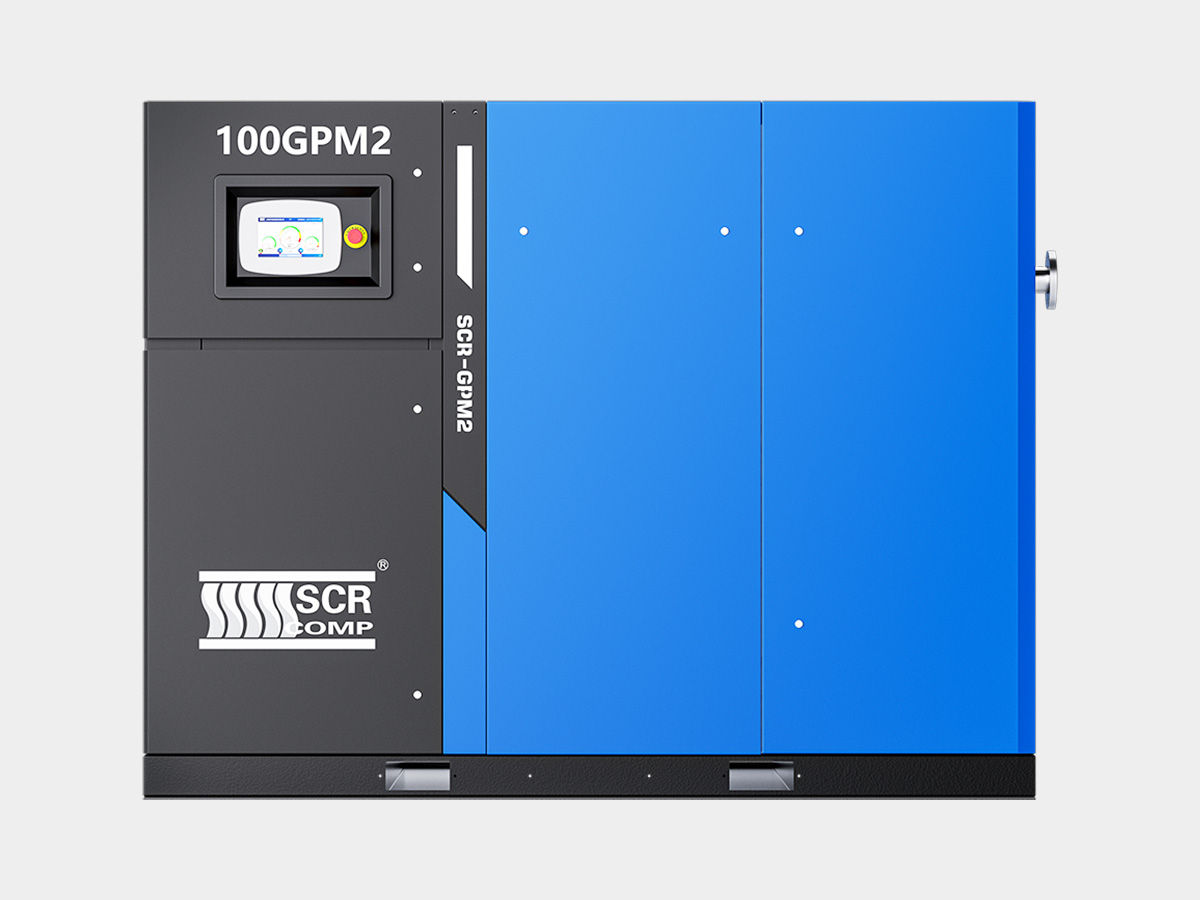 High speed direct drive twin screw oil-free air c
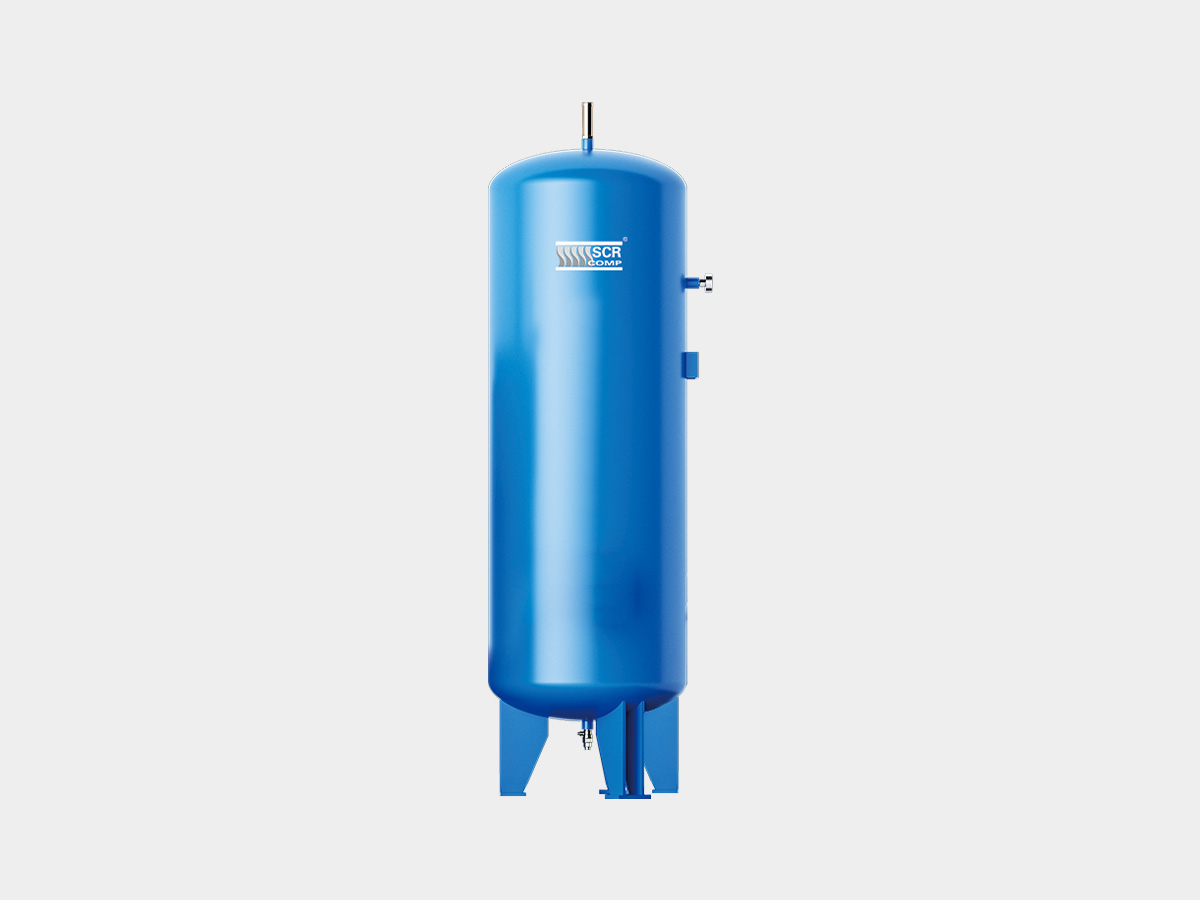 Air Tank
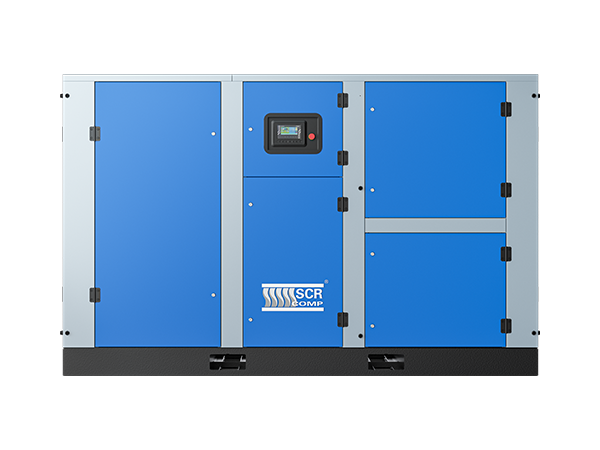 Low pressure Permannent Magnetic VSD screw air c
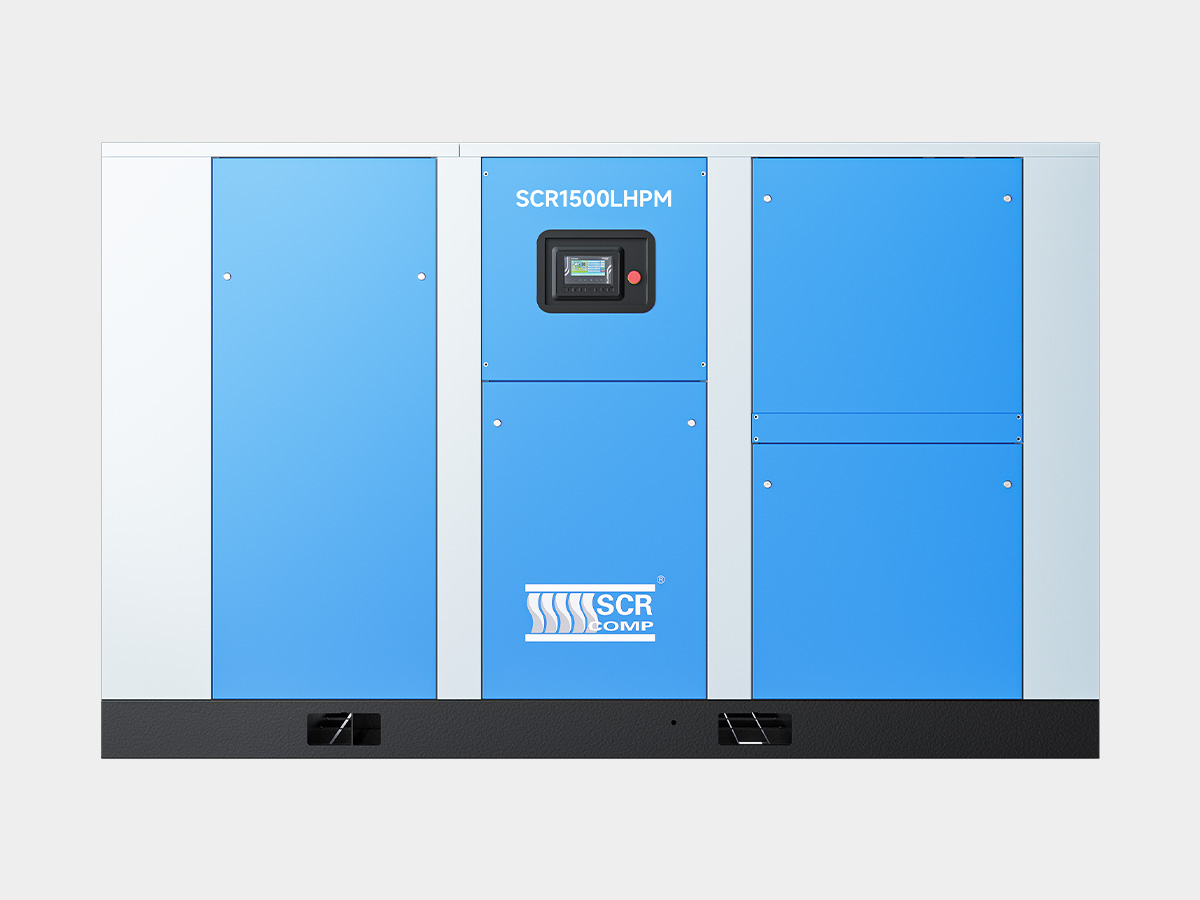 low pressure Two stages screw compressor LH/LHPM
 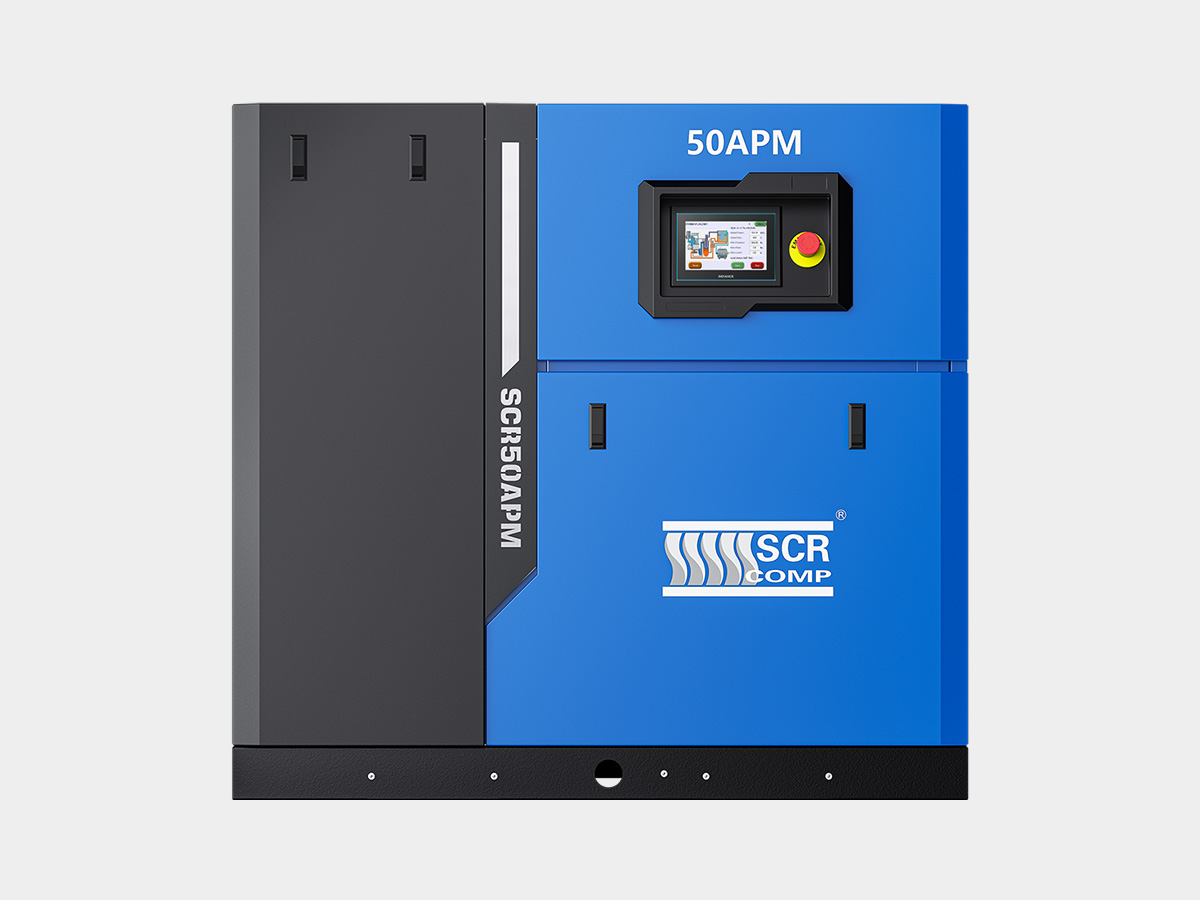 Permanent Magnetic VSD Screw air compressor APM s
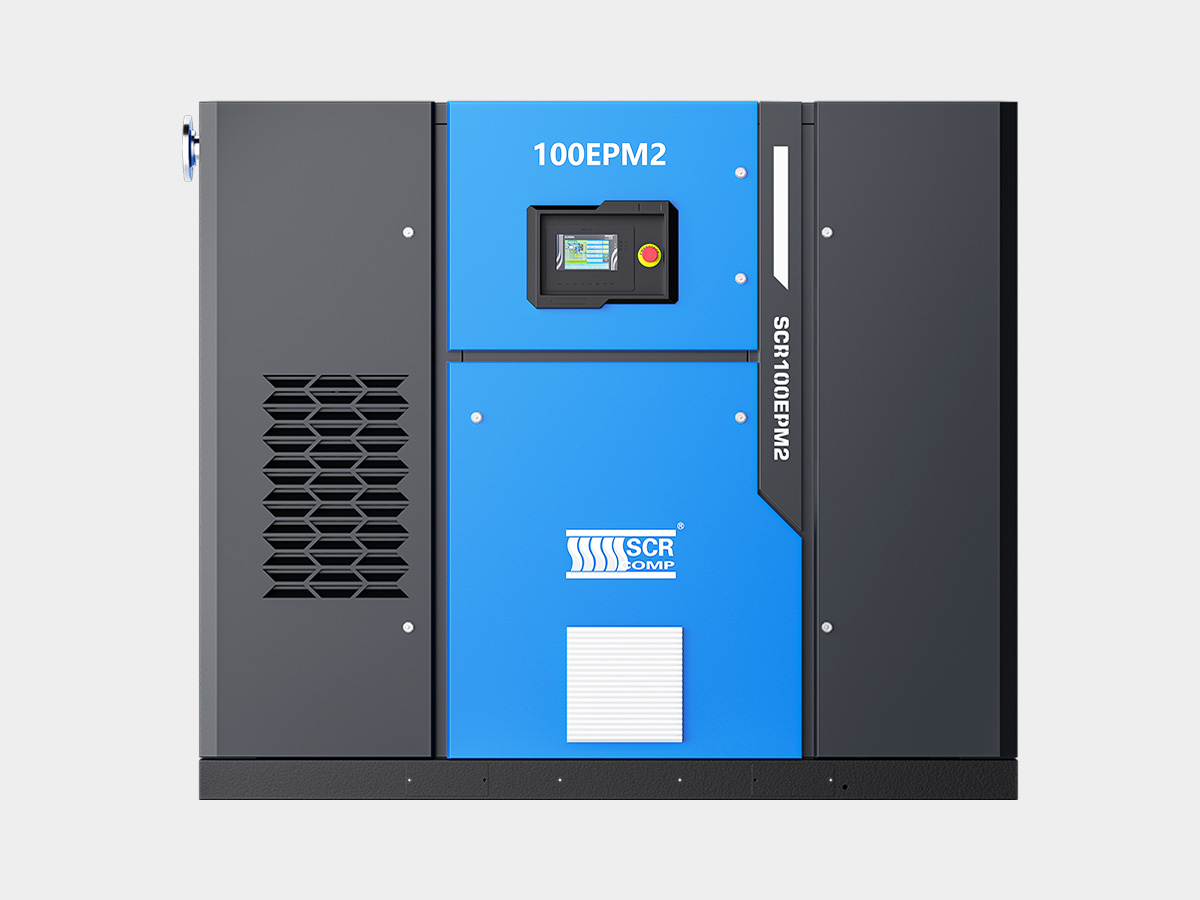 Permanent Magnetic VSD Screw air compressor EPM/E
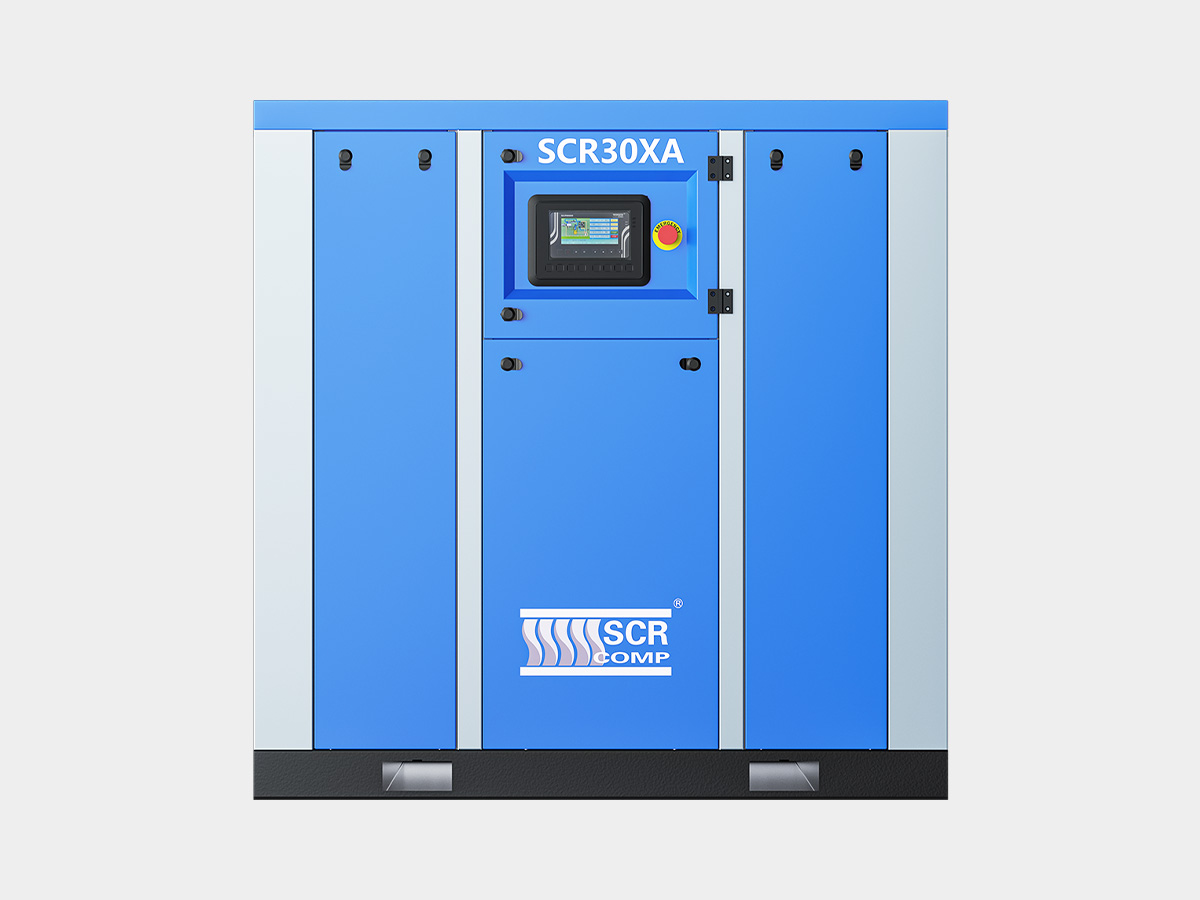 Oil Free Scroll Compressor XA series
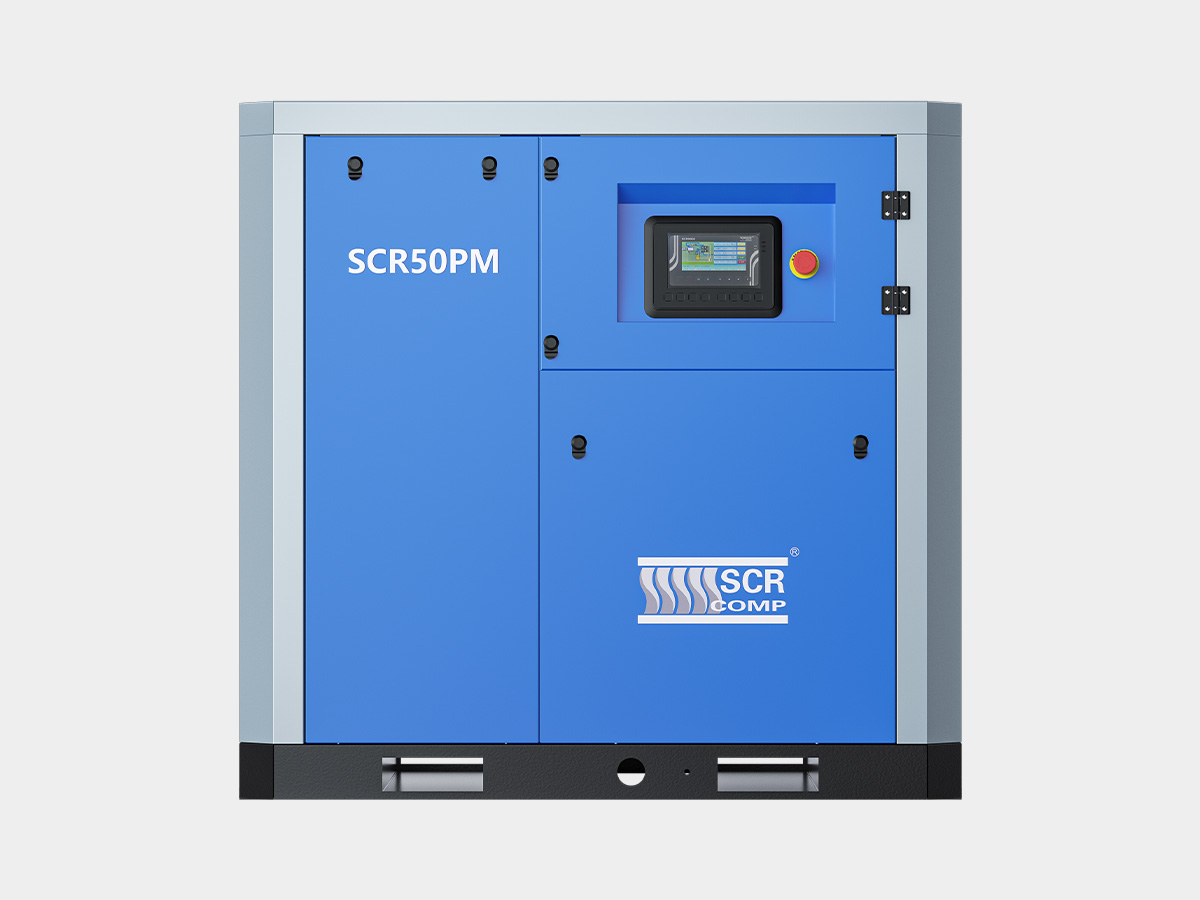 Permanent Magnetic VSD Screw air compressor PM se