What is an Oil-Free Compressor? A Complete Guide
In the world of industrial machinery and compressed air systems, the term oil-free compressor is becoming increasingly significant. But what exactly does it mean, and why is it so important for many applications today? Simply put, an oil-free compressor is a type of air compressor designed to deliver completely uncontaminated compressed air by eliminating oil from the compression chamber. This technology is essential for industries where air purity is non-negotiable, such as food and beverage, pharmaceuticals, and electronics manufacturing. This article delves into how oil-free compressors work, their key advantages, and where they are most effectively used.
How Does an Oil-Free Compressor Work?
The fundamental difference between oil-free and lubricated (oil-flooded) compressors lies in their compression mechanism.
In a traditional oil-lubricated compressor, oil is used to seal, cool, and lubricate the compression chamber (like the rotors in a screw compressor or the cylinder in a piston compressor). While effective, this process inevitably leads to oil carryover, where microscopic oil aerosols and vapors mix with the compressed air output. Even with advanced filtration, trace amounts of oil contamination can remain.
Oil-free compressors employ alternative engineering solutions to achieve compression without oil in the air path:
Specialized Materials and Coatings: The compression elements (e.g., rotors, cylinders, vanes) are manufactured with self-lubricating materials like PTFE (Teflon) coatings or special composites. These materials have low friction coefficients and high durability, allowing them to operate without liquid oil lubrication.
Precision Engineering: Components are machined to extremely tight tolerances to minimize wear and maintain efficiency over time.
Alternative Cooling Systems: Since there’s no oil to absorb heat, oil-free compressors rely on efficient air-cooling or water-cooling systems and often use multi-stage compression with intercoolers to manage temperatures.
Common types of oil-free compressors include oil-free rotary screw compressors, oil-free scroll compressors, and oil-free piston compressors.
Oil-Free vs. Oil-Lubricated Compressors: Key Differences
Feature
|
Oil-Free Compressor
|
Oil-Lubricated Compressor
|
Air Purity
|
Delivers Class 0 oil-free air (ISO 8573-1). Essential for contamination-sensitive applications.
|
Risk of oil carryover, even with filters. Requires frequent filter maintenance to achieve lower purity classes.
|
Maintenance
|
No oil changes, oil filters, or oil separators. Lower maintenance costs related to lubricants.
|
Regular oil changes, filter replacements, and oil disposal are required, adding to operational cost and complexity.
|
Initial Cost
|
Generally higher initial investment due to advanced materials and precision engineering.
|
Lower upfront cost, making them attractive for general industrial use where pure air isn't critical.
|
Operating Cost
|
Higher energy consumption in some designs; however, saved lubricant and filter costs can balance TCO.
|
More energy-efficient in many cases, but ongoing lubricant and filter expenses add up.
|
Lifespan
|
Potential for shorter component life in harsh duty cycles due to higher friction, though technology is continually improving.
|
Typically longer lifespan for the compression block when maintained properly, thanks to oil's protective properties.
|
Environmental Impact
|
No risk of oil contamination in condensate. Eliminates cost and liability of oil disposal.
|
Generates oily condensate that must be treated as hazardous waste, requiring proper disposal procedures.
|
Primary Applications and Industries for Oil-Free Air
The decision to use an oil-free compressor is driven by a critical need for 100% contaminant-free air. Key sectors include:
Food & Beverage: Prevents oil contamination in direct contact processes (mixing, packaging, bottling). Essential for meeting standards like FDA, USDA, and SQF.
Pharmaceuticals & Medical: Used in drug manufacturing, laboratory air, surgical tool operation, and breathable air. Must comply with strict GMP and pharmacopeia standards.
Electronics & Semiconductors: Protects sensitive components during manufacturing (chip fabrication, PCB cleaning) where even nano-scale oil particles can cause defects.
Chemicals & Plastics: Ensures chemical reactions are not altered and prevents product discoloration or degradation in processes like PET blow molding.
Textiles: Maintains fabric purity and prevents staining in spinning and weaving processes.
Choosing the Right Oil-Free Compressor: Key Considerations
Selecting an oil-free compressor requires careful evaluation of your specific needs:
Required Air Quality (ISO 8573-1 Class): Confirm you need genuine Class 0 air. For some applications, a lubricated compressor with high-quality filtration may suffice at a lower cost.
Capacity (CFM/PSI): Determine your air demand (flow rate in CFM) and required working pressure (PSI) to size the compressor correctly.
Duty Cycle: Assess if the compressor will run intermittently or continuously. Oil-free designs vary in their suitability for 24/7 operation.
Total Cost of Ownership (TCO): Calculate not just the purchase price, but also energy costs, maintenance expenses (significantly lower without oil), and potential costs of downtime or product spoilage from contamination.
Noise Level: Some oil-free models, especially piston types, can be louder. Consider the installation environment and look for models with sound-dampening enclosures if needed.
Conclusion
An oil-free compressor is not just a piece of equipment; it is a critical investment in product quality, safety, and operational integrity for industries where air purity is paramount. By eliminating the risk of oil contamination at the source, it safeguards processes, reduces the burden of hazardous waste disposal, and simplifies maintenance. While the initial investment is higher, the protection it offers for high-value products and compliance with stringent international standards makes it an indispensable solution. When evaluating your compressed air needs, always weigh the true cost of contamination against the value of guaranteed clean, oil-free air.


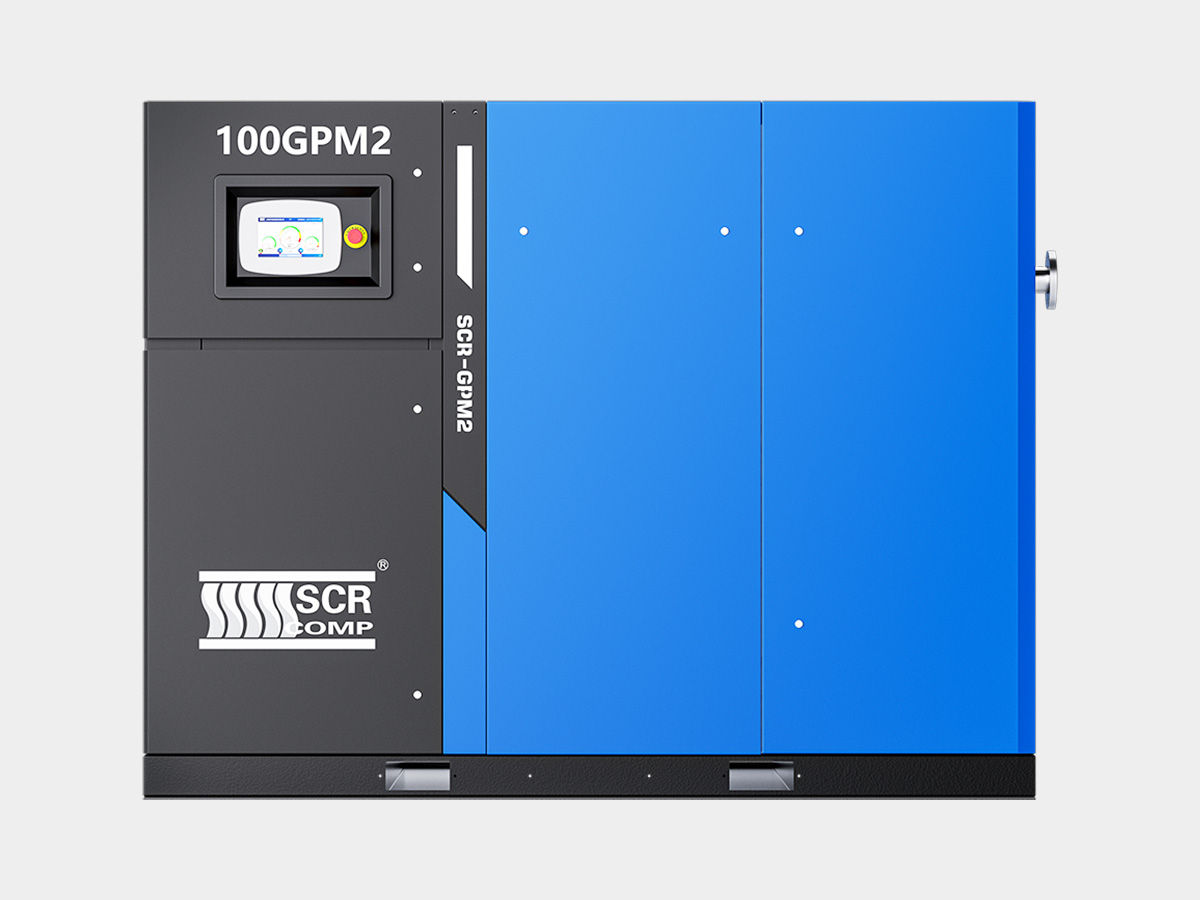 High speed direct drive twin screw oil-free air c
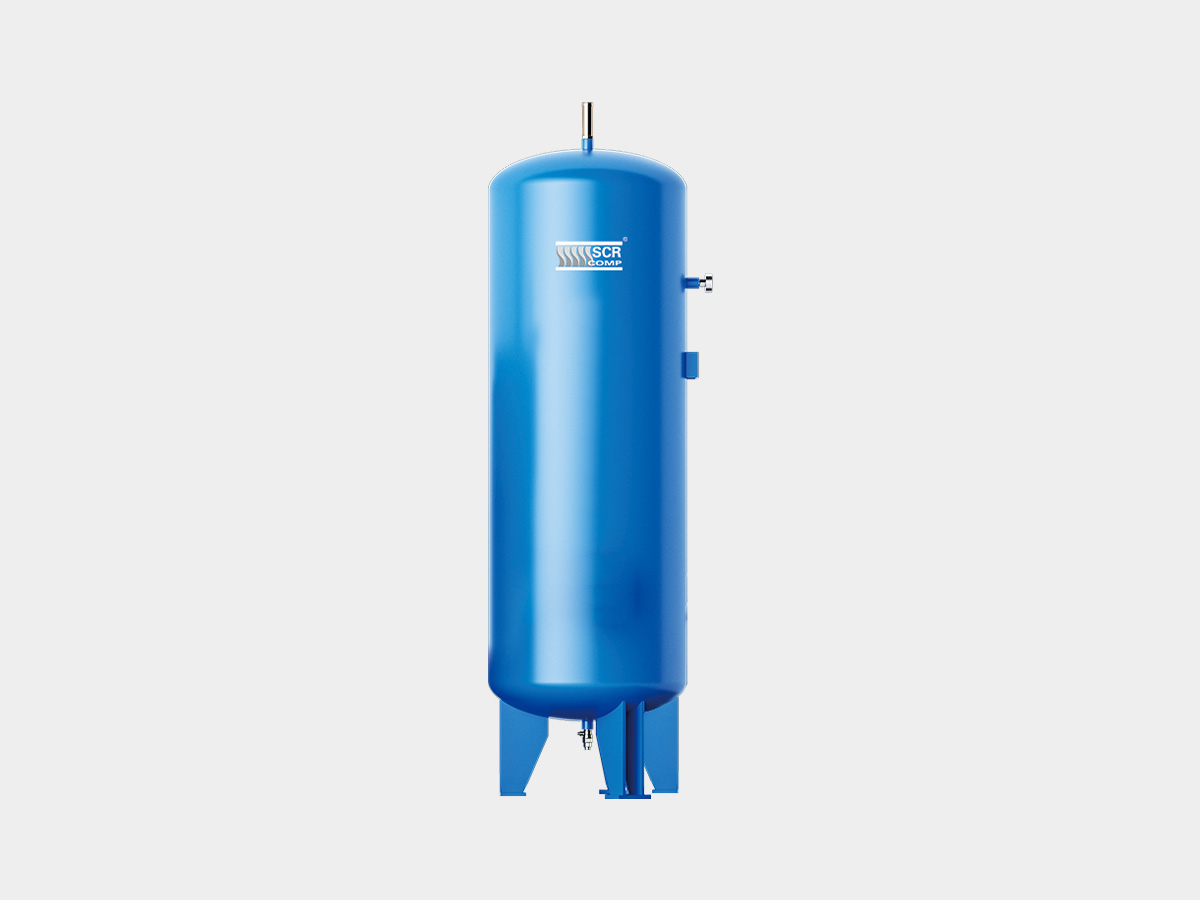 Air Tank
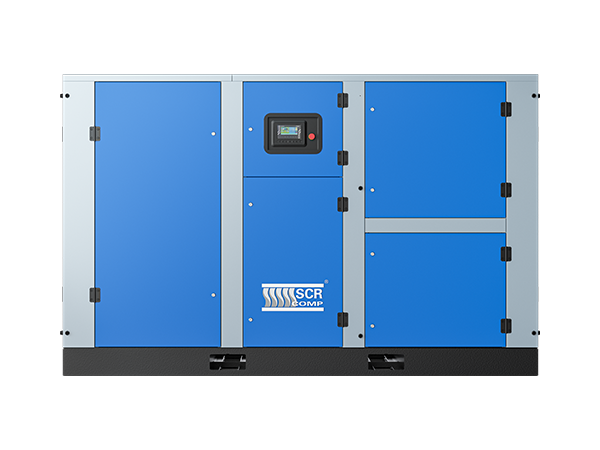 Low pressure Permannent Magnetic VSD screw air c
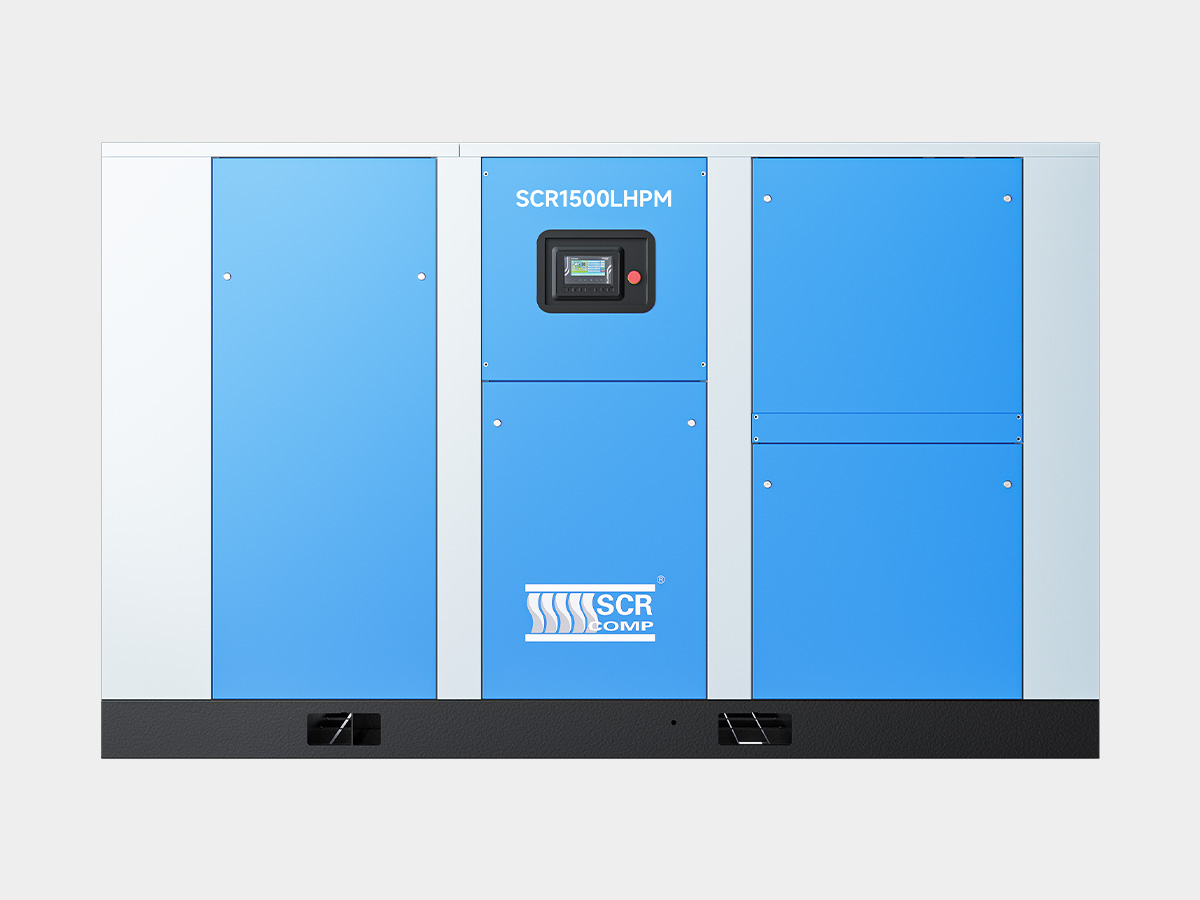 low pressure Two stages screw compressor LH/LHPM
 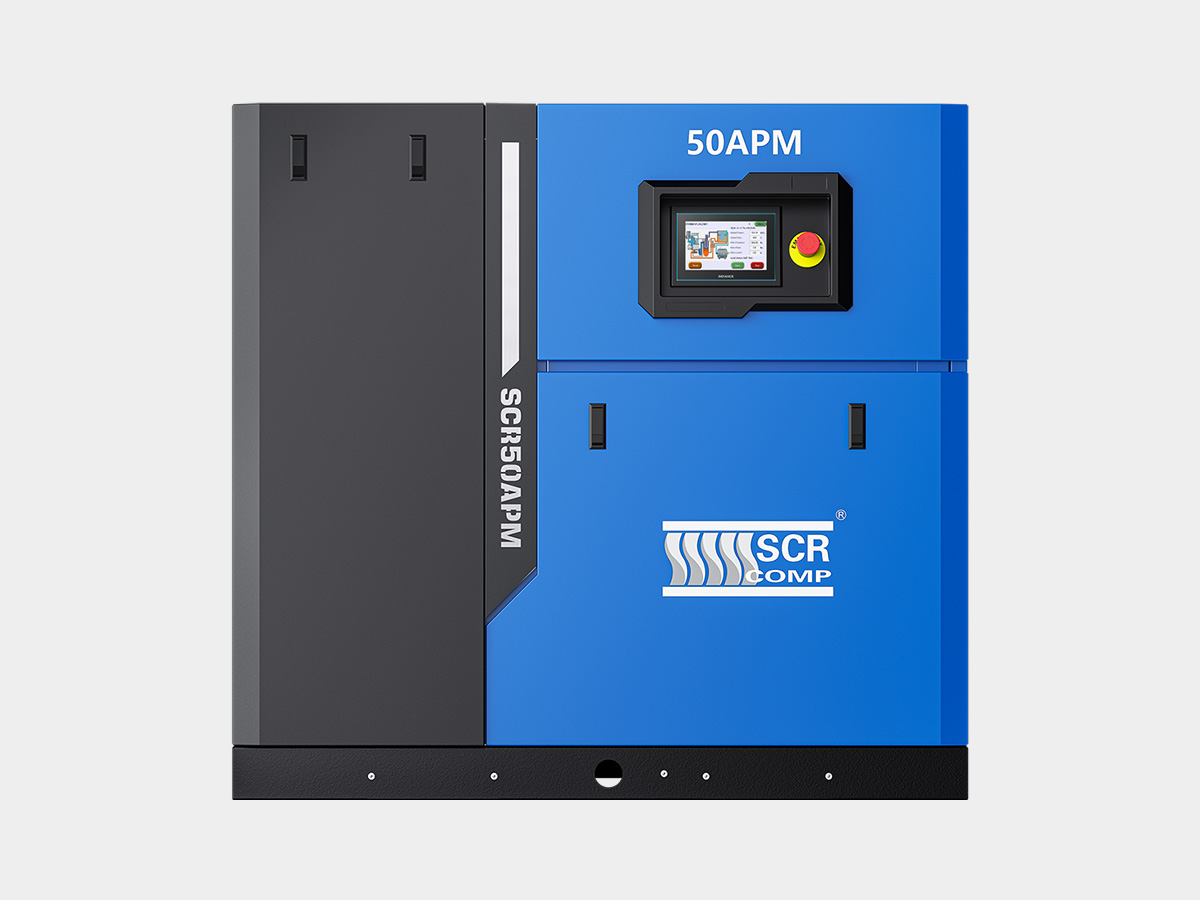 Permanent Magnetic VSD Screw air compressor APM s
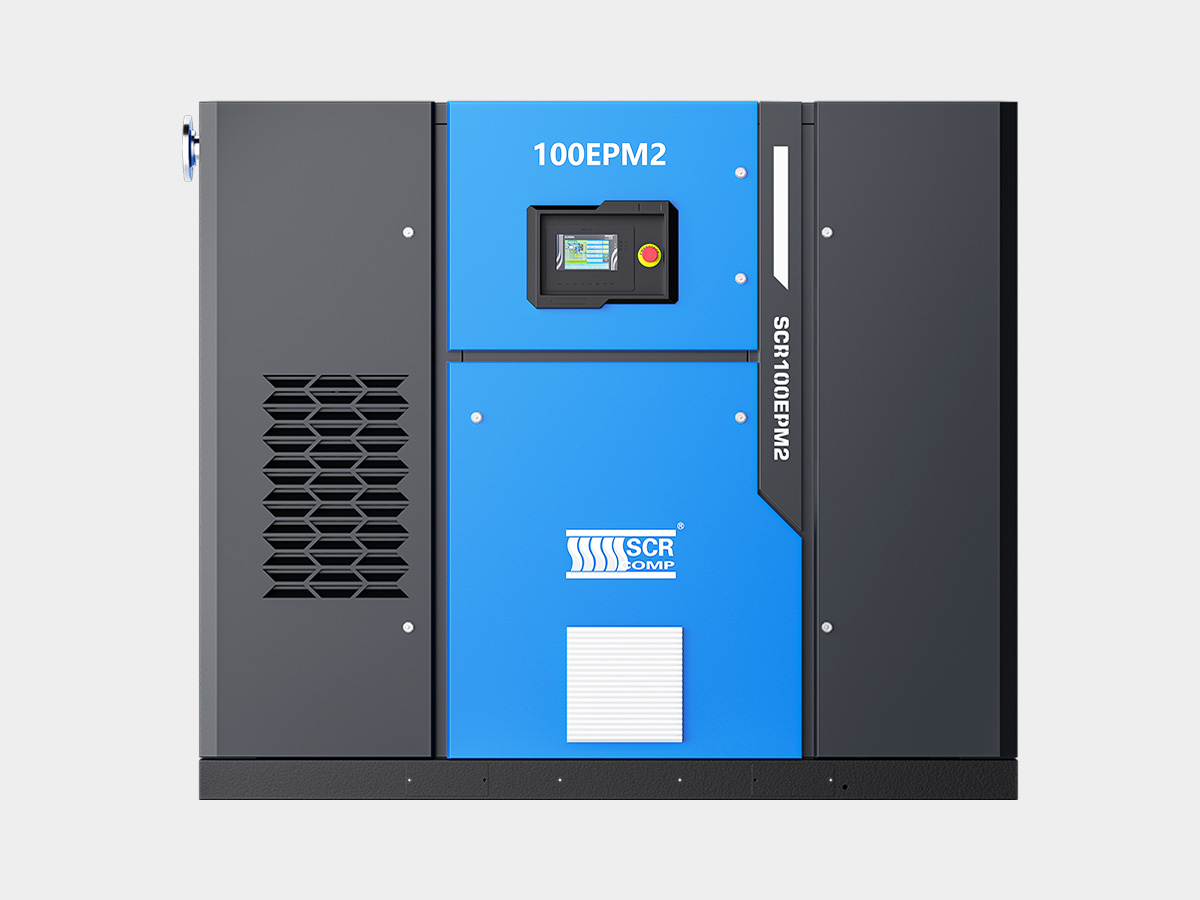 Permanent Magnetic VSD Screw air compressor EPM/E
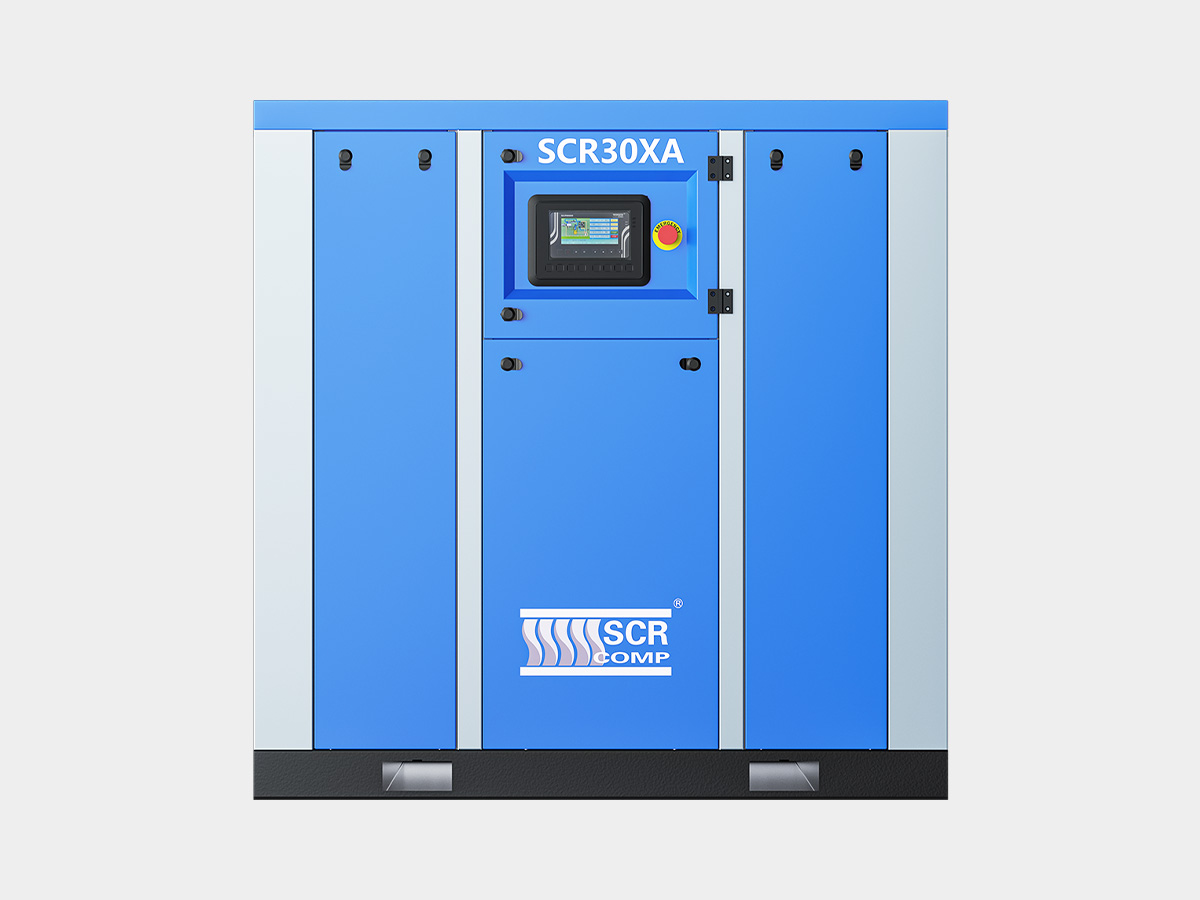 Oil Free Scroll Compressor XA series
 Permanent Magnetic VSD Screw air compressor PM se