What is an Industrial Compressor?
An industrial compressor is a mechanical device designed to increase the pressure of a gas by reducing its volume. It converts mechanical energy from a power source, such as an electric motor or a diesel engine, into potential energy stored as pressurized air or gas. This pressurized gas becomes a versatile source of power and process utility, making compressors foundational to modern industry.
In manufacturing and processing plants, compressed air is so critical that it is often regarded as the "fourth utility", following electricity, water, and natural gas. These machines are indispensable across the global economy, enabling operations from powering tools on a factory floor to controlling delicate processes in a pharmaceutical lab.
How Does an Industrial Compressor Work?
The core function of all compressors is the same: to increase gas pressure. They achieve this by trapping a volume of gas and mechanically reducing the space it occupies. As the volume decreases, the gas molecules are forced closer together, resulting in a rise in pressure.
Two Main Operating Principles
-
Positive Displacement Compressors: These work by mechanically trapping a volume of gas in a chamber and then reducing that chamber's volume. Common types include Reciprocating/Piston Compressors and Rotary Screw Compressors.
-
Dynamic Compressors: These use high-speed rotating impellers to transfer kinetic energy to the gas, which is then converted to pressure in a diffuser section. The main type is the Centrifugal Compressor.
Main Types of Industrial Compressors
Selecting the right compressor technology is crucial for efficiency and cost-effectiveness. Here is a detailed comparison of the two most common types for general industrial air supply:
|
Feature
|
Reciprocating (Piston) Compressor
|
Rotary Screw Compressor
|
|
Operating Principle
|
Positive displacement via piston in a cylinder.
|
Positive displacement via two intermeshing rotors.
|
|
Best For
|
Intermittent use, high-pressure, lower flow demands.
|
Continuous operation, high and steady air flow demands.
|
|
Efficiency & Duty Cycle
|
Prone to heat build-up; typically 60-70% duty cycle.
|
Liquid-cooled; capable of 100% duty cycle and 24/7 operation.
|
|
Noise & Vibration
|
Generally louder and produces more vibration.
|
Runs quieter and smoother.
|
|
Oil-Free Options
|
Available, but can be less efficient at large scales.
|
Widely available and efficient for critical "process air".
|
Key Distinction: The choice between oil-lubricated and oil-free compressors is critical. Oil-free compressors are essential for "process air" applications where air contacts the final product, such as in food & beverage, pharmaceuticals, and electronics manufacturing, to avoid contamination.
Key Applications of Industrial Compressors
Industrial compressors serve four primary functions across a vast array of sectors:
1. Power Source ("Energy Air")
Compressed air drives pneumatic tools, automation systems, and vehicle brakes. It is valued for its safety, controllability, and power.
2. Industrial Processes ("Process Air")
In oil & gas and chemicals, compressors transport gases, create high-pressure reactions, and are the "heart" of continuous processes.
3. Gas Separation & Refrigeration
Fundamental to air separation plants producing oxygen and nitrogen, and to refrigeration cycles in HVAC and cooling systems.
4. Pipelines & Transportation
Large pipeline compressors move natural gas over long distances. Others fill high-pressure cylinders for storage and transport.
How to Choose the Right Industrial Compressor
Selecting an industrial compressor involves evaluating several key factors against your operational needs:
1. Air Demand Profile
Analyze your required air flow (CFM or m³/min) and pressure (PSI or Bar). Determine if demand is constant or fluctuates. Variable Speed Drive (VSD) compressors can adjust motor speed to match demand, saving significant energy.
2. Air Quality Requirements
Decide if you need oil-free air. This is non-negotiable for food, pharmaceutical, electronics, and certain chemical processes to meet strict purity standards.
3. Total Cost of Ownership (TCO)
Look beyond the purchase price. Consider energy consumption (the largest cost over a compressor's life), maintenance schedules, downtime risks, and expected service life. A more efficient, reliable machine often has a lower TCO.
4. Operating Environment
Consider available space, cooling options, ambient temperature, and noise level requirements for operator comfort and regulatory compliance.
Conclusion
Industrial compressors are sophisticated, essential engines of modern industry. Understanding the basic types, how they work, and their diverse applications is the first step in leveraging their power for your business.
Making an informed choice based on your specific requirements for air quality, flow, pressure, and total operational cost will ensure you select a compressor that delivers efficiency, reliability, and value for years to come. For complex applications, consulting with a compressed air system expert is always recommended to design an optimal solution.


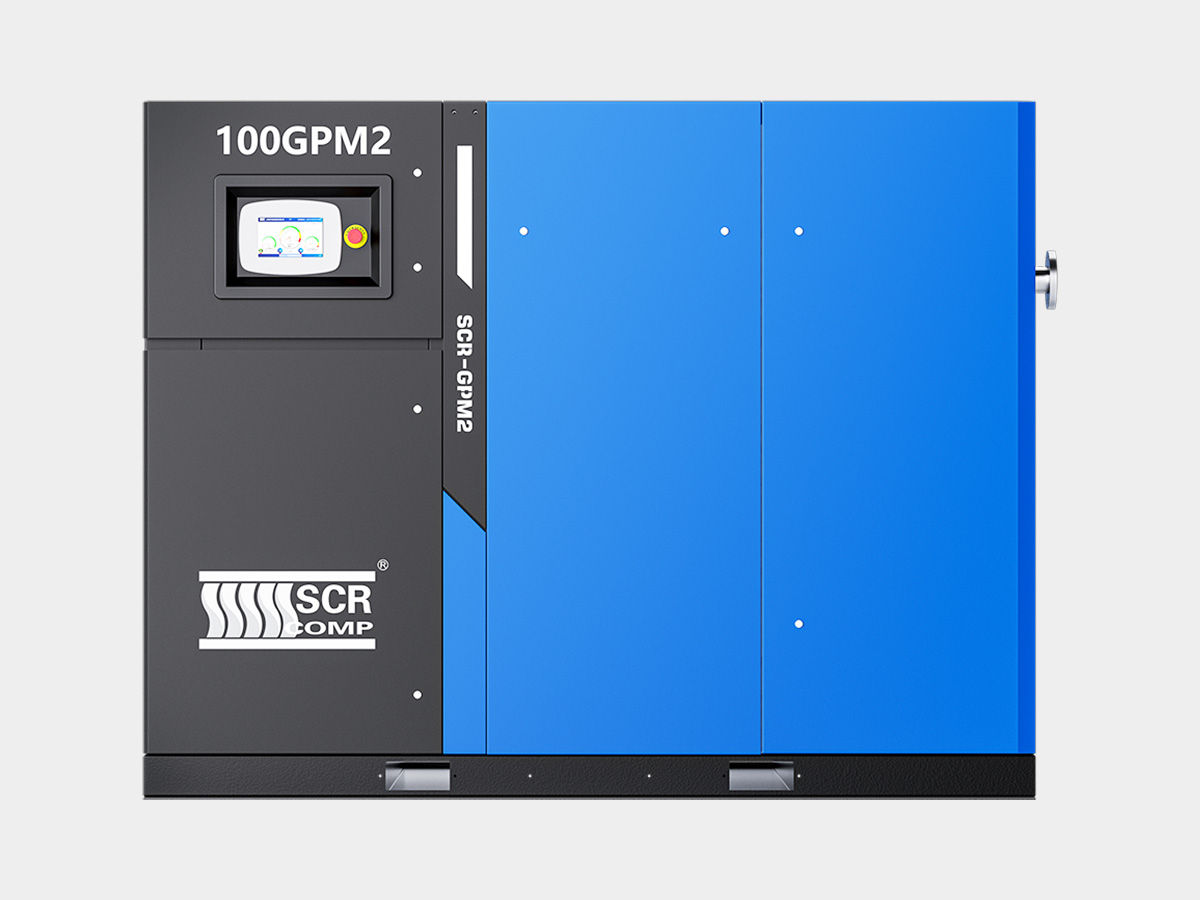 High speed direct drive twin screw oil-free air c
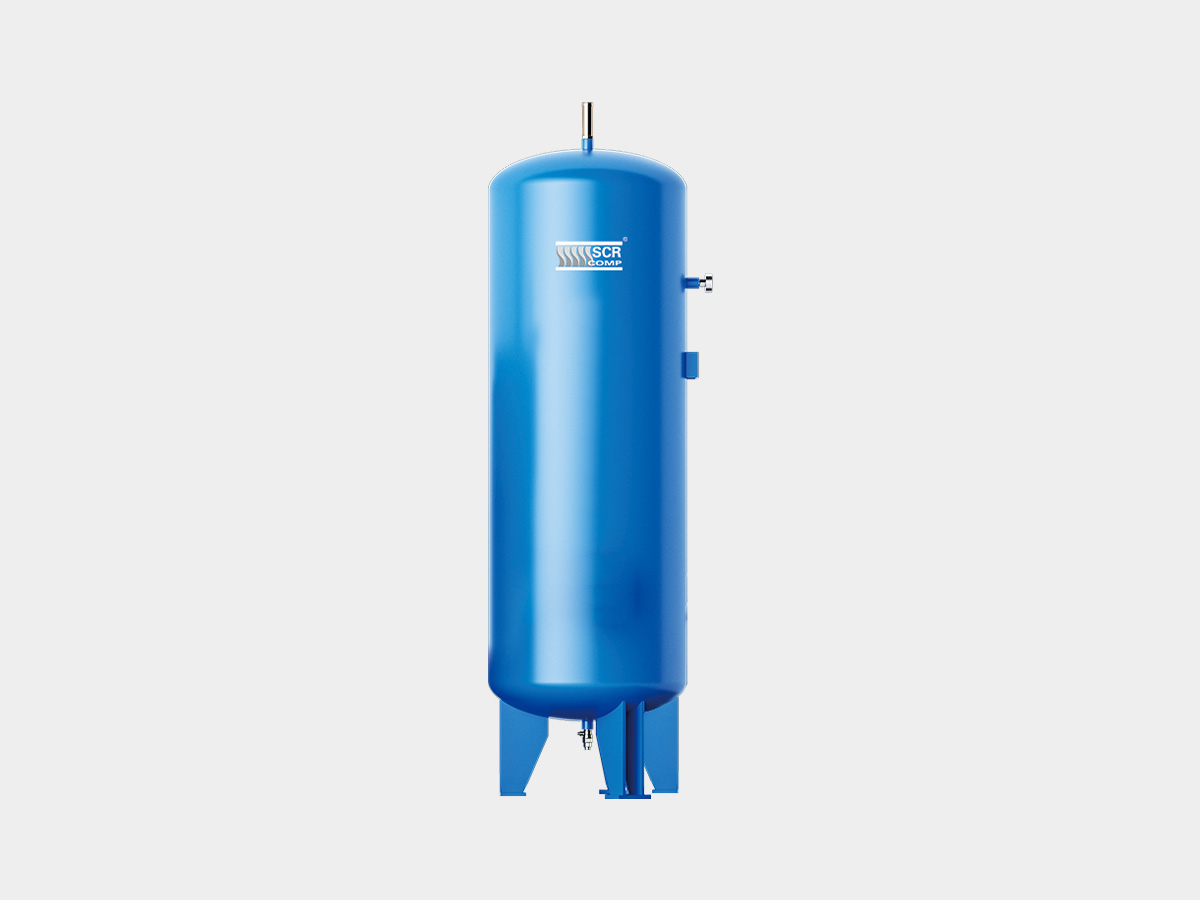 Air Tank
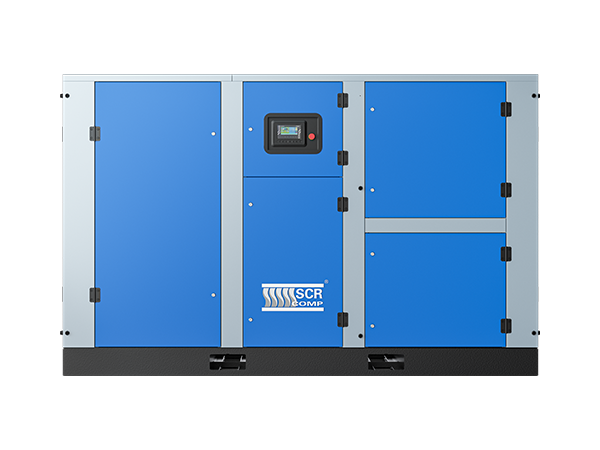 Low pressure Permannent Magnetic VSD screw air c
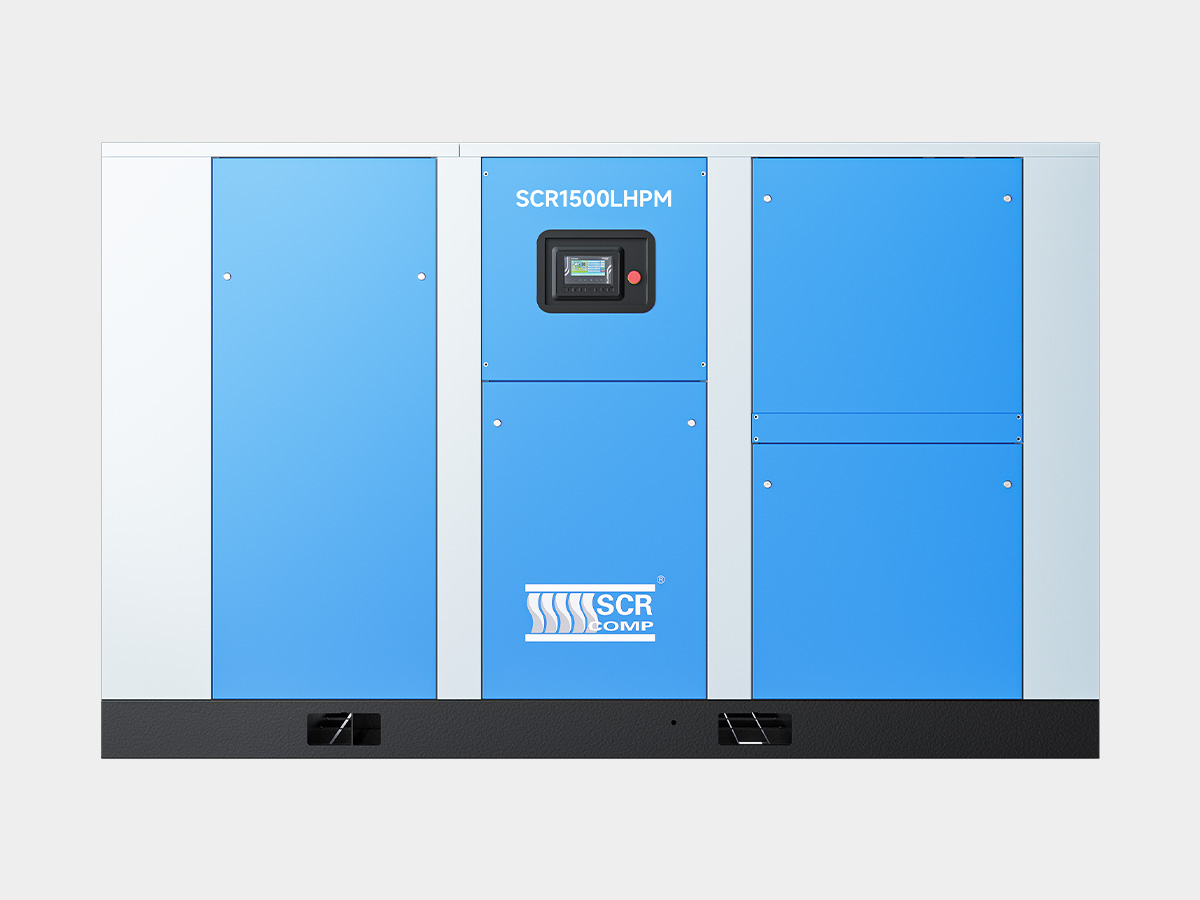 low pressure Two stages screw compressor LH/LHPM
 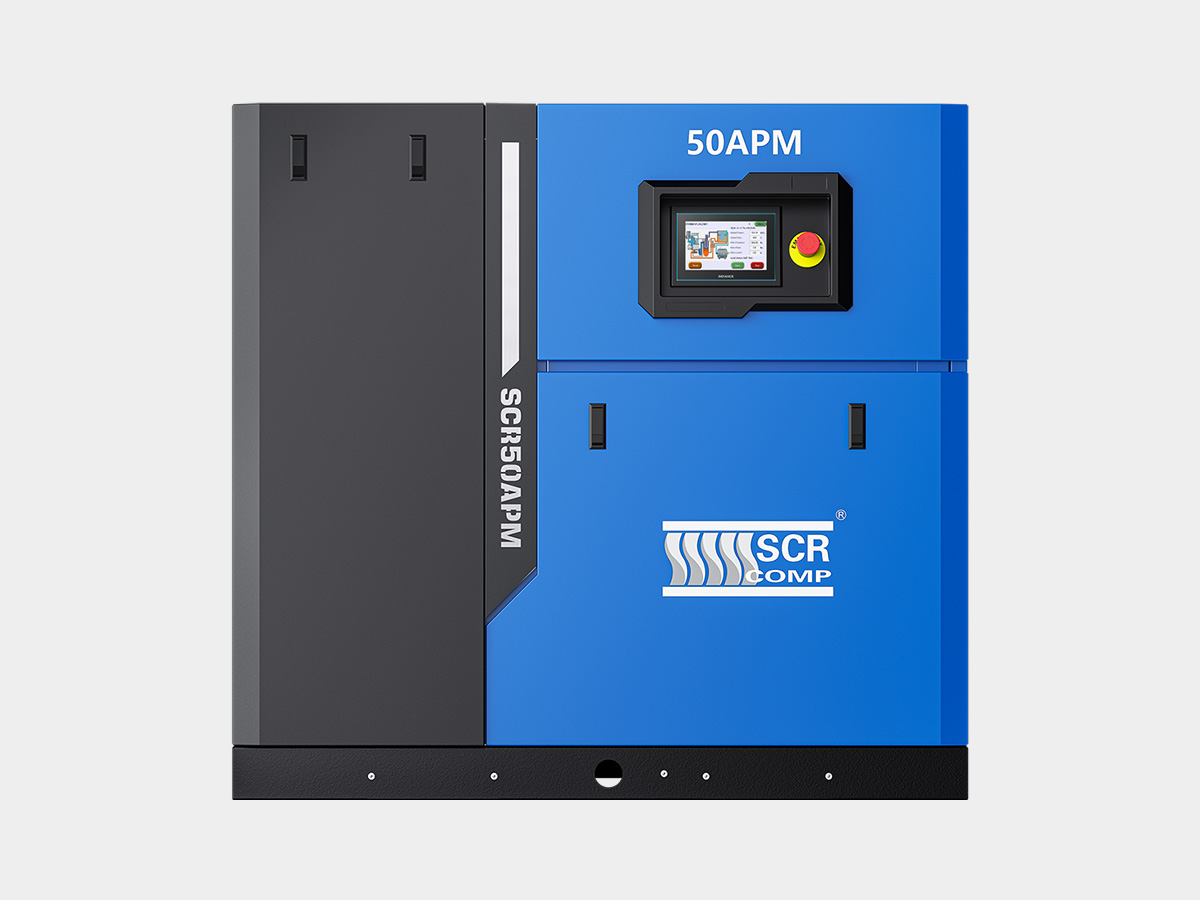 Permanent Magnetic VSD Screw air compressor APM s
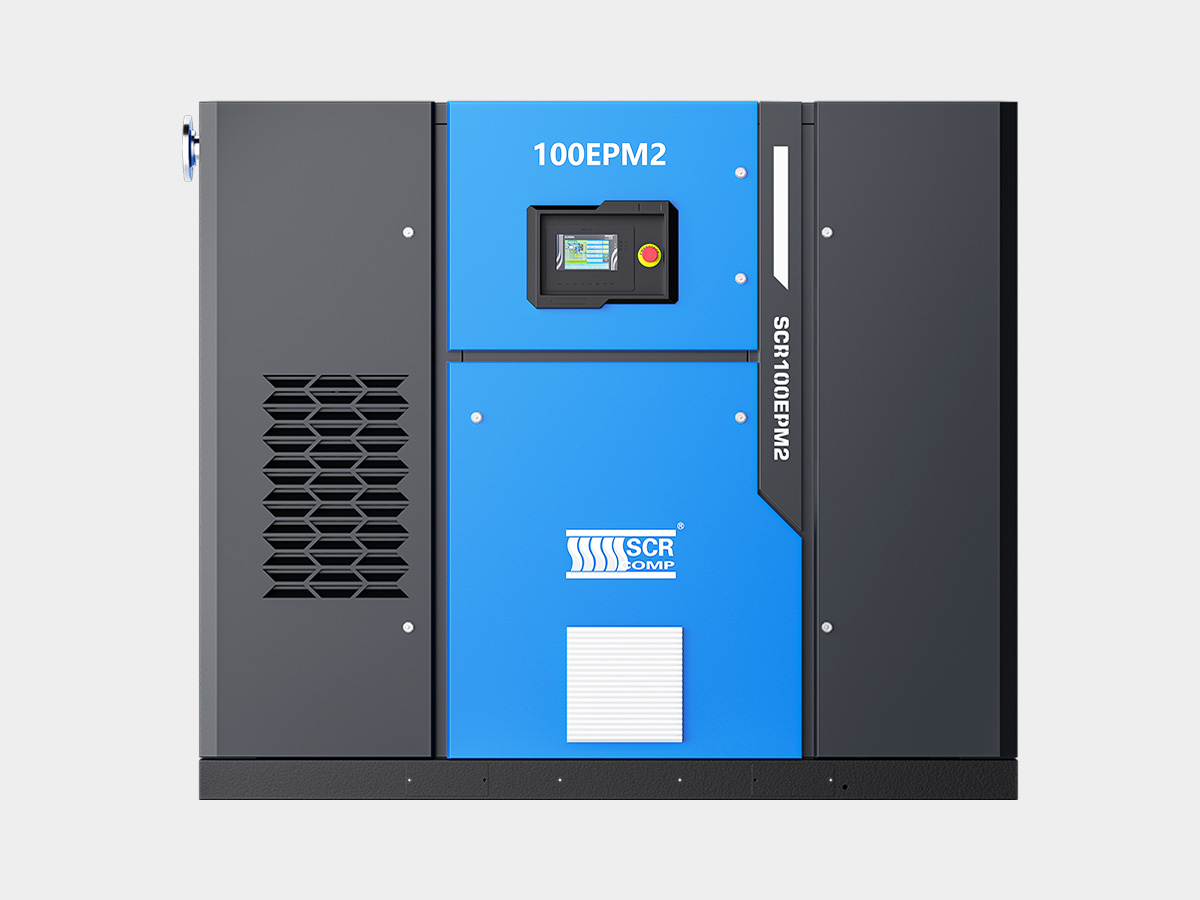 Permanent Magnetic VSD Screw air compressor EPM/E
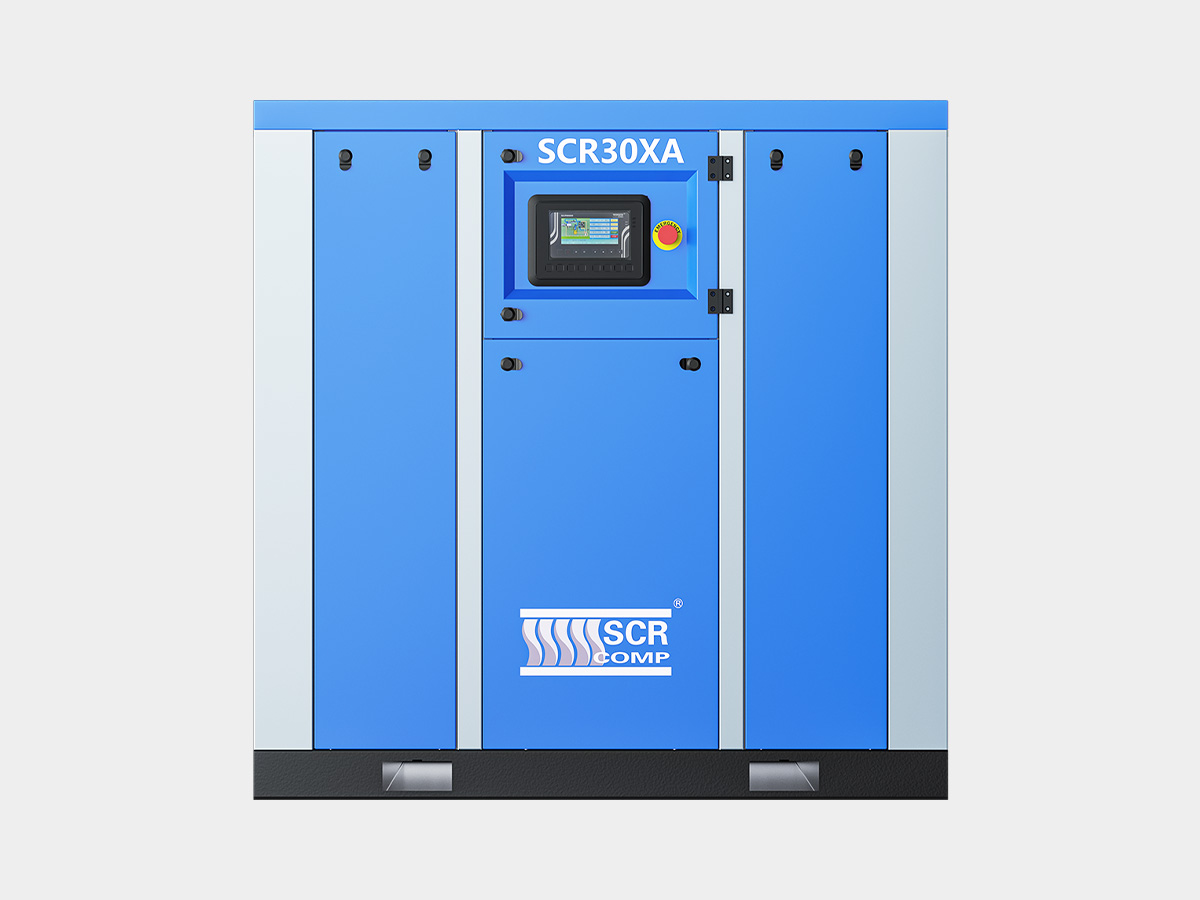 Oil Free Scroll Compressor XA series
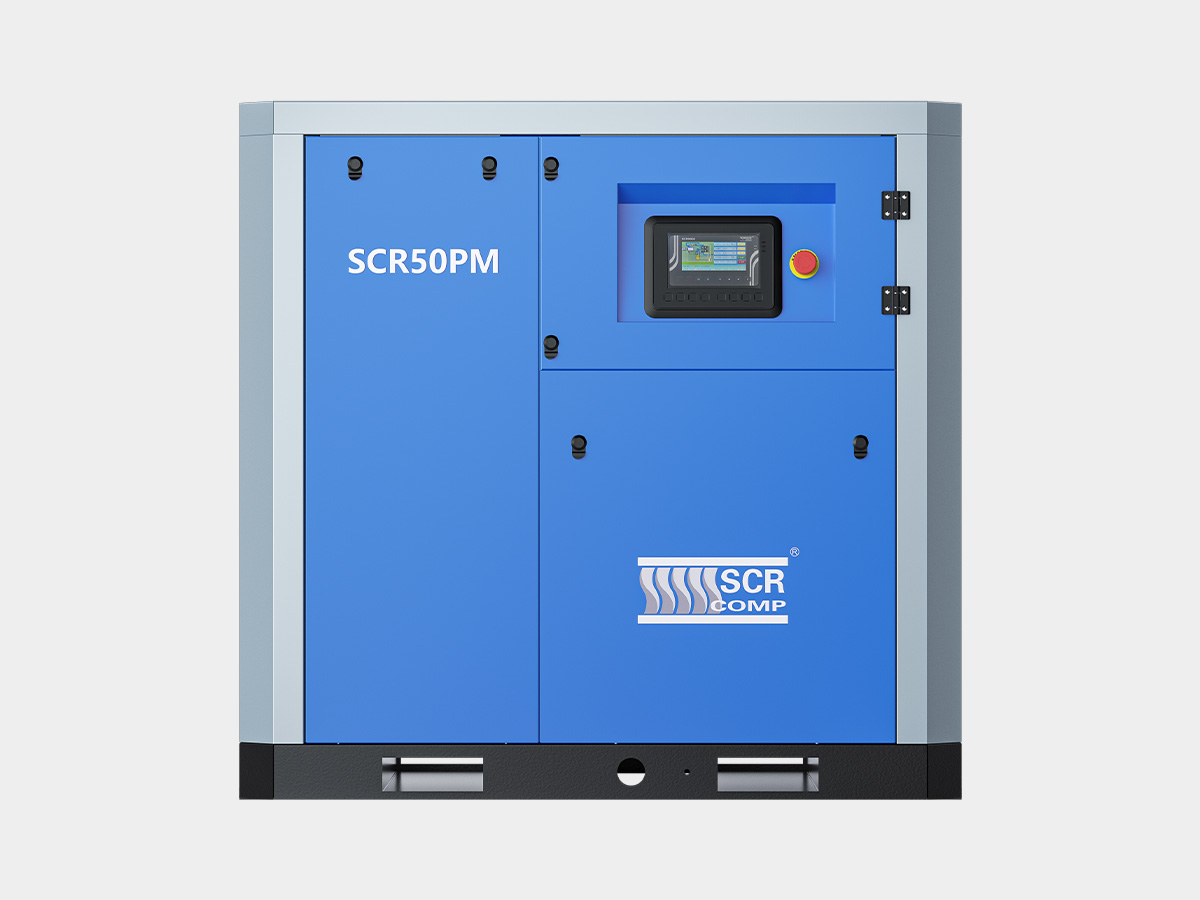 Permanent Magnetic VSD Screw air compressor PM se