What is the Most Common Industrial Air Compressor?
When you think of industrial air compressors, two main types likely come to mind: piston and screw-type machines. The question of which is the most common doesn't have a single, simple answer. The global market is dominated by a mix of these two technologies, with their prevalence shifting based on industry, scale, and operational demands. While reciprocating (piston) compressors are ubiquitous for their low cost and simplicity, rotary screw air compressors have become the dominant force in applications requiring continuous, reliable power. Understanding the key differences between these two workhorses is crucial for selecting the right technology for your operation.
Market Leaders: Screw vs. Piston Compressors
Industrial compressed air production primarily relies on screw-type and piston compressor technologies. Their market share is significant, and they are often considered together when modeling industrial energy consumption. The following table breaks down their core characteristics.
|
Feature
|
Rotary Screw Air Compressor
|
Reciprocating (Piston) Compressor
|
|
Working Principle
|
Uses two intermeshing screws (rotors) to compress air continuously.
|
Uses pistons driven by a crankshaft in a cylinder to compress air in a pulsating, intermittent motion.
|
|
Duty Cycle
|
Designed for a 100% duty cycle, capable of 24/7 continuous operation.
|
Typically suited for 50-60% duty cycles, requiring regular cooling-off periods.
|
|
Typical Applications
|
Manufacturing, automotive, food & beverage, pharmaceuticals—any process requiring constant, reliable air.
|
Workshops, auto repair, small-scale manufacturing, applications with intermittent or low-volume air needs.
|
|
Key Advantages
|
Continuous operation, lower vibration & noise, higher energy efficiency (especially with VSD), less maintenance.
|
Lower initial purchase cost, simple & robust design, easier maintenance for basic models.
|
|
Main Considerations
|
Higher initial capital investment, more complex servicing.
|
Higher long-term energy costs, pulsating air flow, higher noise levels, shorter service life under heavy use.
|
Why Rotary Screw Compressors Dominate Modern Industry
The shift towards rotary screw compressors as the preferred choice for many industrial applications is driven by the demands of modern manufacturing.
1. Reliability and Continuous Operation
Unlike piston compressors built for intermittent use, screw compressors are engineered for non-stop operation. Their rotary motion generates minimal vibration and heat, allowing them to run 24 hours a day, 7 days a week without the risk of overheating common in reciprocating machines. This makes them indispensable for production lines that cannot afford downtime.
2. Energy Efficiency and the VSD Advantage
Energy can account for up to 80% of a compressor's total lifetime cost. Here, Variable Speed Drive (VSD) screw compressors offer a decisive advantage. They adjust the motor speed to match air demand in real-time, eliminating energy waste during low-demand periods. Atlas Copco notes that next-generation VSD compressors can save up to 60% in energy compared to fixed-speed units. While VSD technology is also being explored for piston compressors, its integration and benefits are more mature and pronounced in screw designs.
3. Air Quality and Versatility
Screw compressors excel in delivering consistent, clean air. They are available in both oil-injected and oil-free configurations. Oil-free screw compressors, which use water or special coatings for lubrication and cooling, are critical for sensitive industries like pharmaceuticals, food and beverage, and electronics, where any oil contamination could compromise product quality or safety.
Where Piston Compressors Still Hold Their Ground
Despite the advantages of screw technology, reciprocating compressors remain extremely common and are the correct choice for specific scenarios.
Their primary advantage is a lower initial purchase price. For a small workshop, garage, or a business with very sporadic and low-volume air needs (like powering a single nail gun occasionally), investing in a screw compressor is often not economically justifiable. A piston compressor provides a simple, affordable solution.
They are also mechanically simpler. For operations with skilled maintenance staff, basic repairs and part replacements on a piston compressor can be more straightforward than on a complex screw block. For intermittent-duty applications, their lower upfront cost can offset their higher long-term energy consumption and shorter lifespan.
How to Choose the Right Compressor for Your Needs
Selecting between a screw and piston compressor comes down to analyzing your operational profile. Ask these key questions:
-
Air Demand Pattern: Is your air use constant, or does it spike and drop frequently? For constant or variable demand, a VSD screw compressor is most efficient. For truly intermittent use, a piston compressor may suffice.
-
Duty Cycle Requirement: Will the compressor run for more than 60% of the workday? If yes, a piston compressor will likely overheat and fail prematurely, making a screw compressor the only viable option.
-
Air Purity Standards: Do your processes (e.g., food packaging, drug manufacturing) require Class 0 oil-free air? If so, an oil-free screw compressor is the standard industrial solution.
-
Total Cost of Ownership (TCO): Look beyond the sticker price. Calculate energy costs, expected maintenance, and lifespan. For most medium- to high-use industrial settings, the energy savings of an efficient screw compressor will outweigh its higher initial cost over 3-5 years.
Conclusion
While both rotary screw and reciprocating piston compressors are common worldwide, the rotary screw compressor has firmly established itself as the backbone of modern, continuous industrial operations due to its reliability, energy efficiency, and suitability for clean air production. The reciprocating compressor remains a widespread and economical choice for light, intermittent duties. The "most common" type for your facility is not determined by global sales figures alone, but by which technology's strengths—be it the robust simplicity of the piston or the efficient endurance of the screw—best align with your specific air demand, operational budget, and quality requirements.


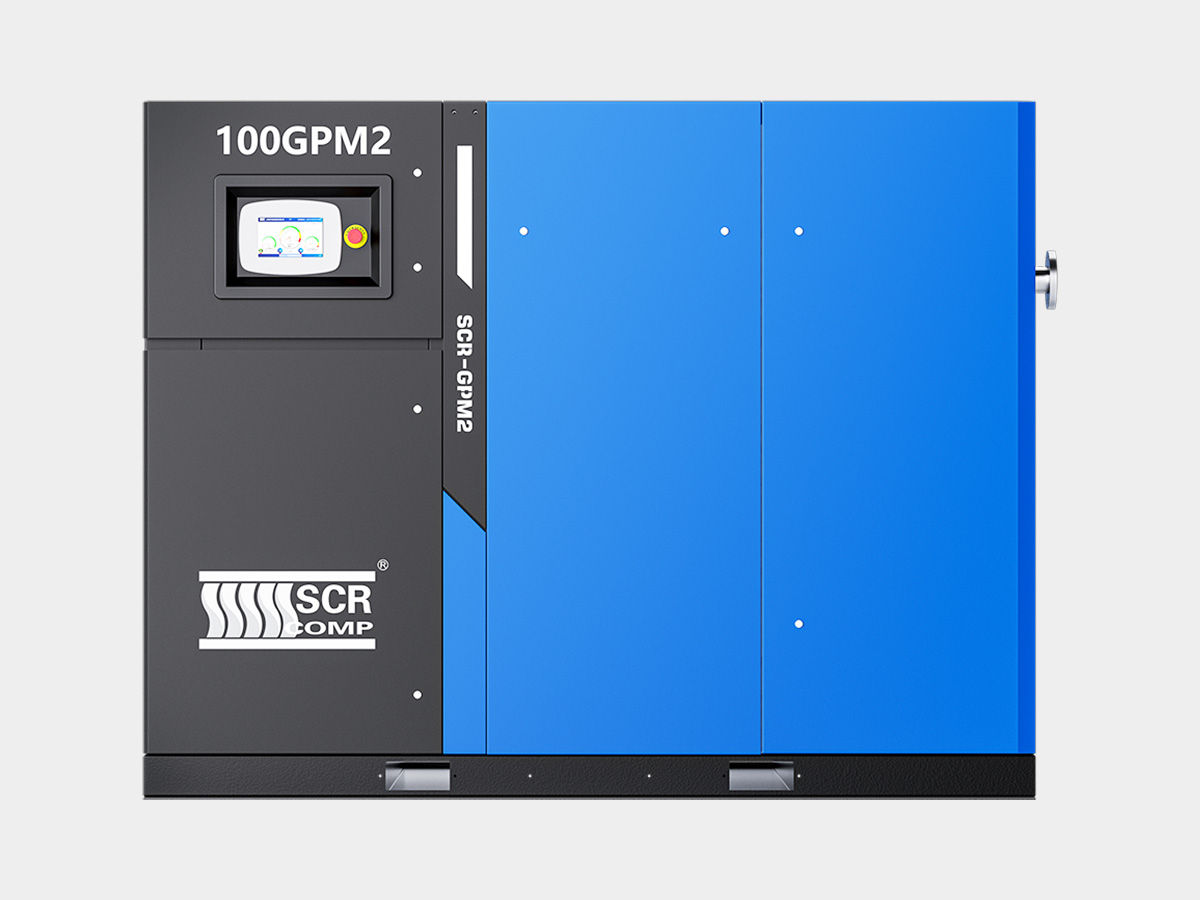 High speed direct drive twin screw oil-free air c
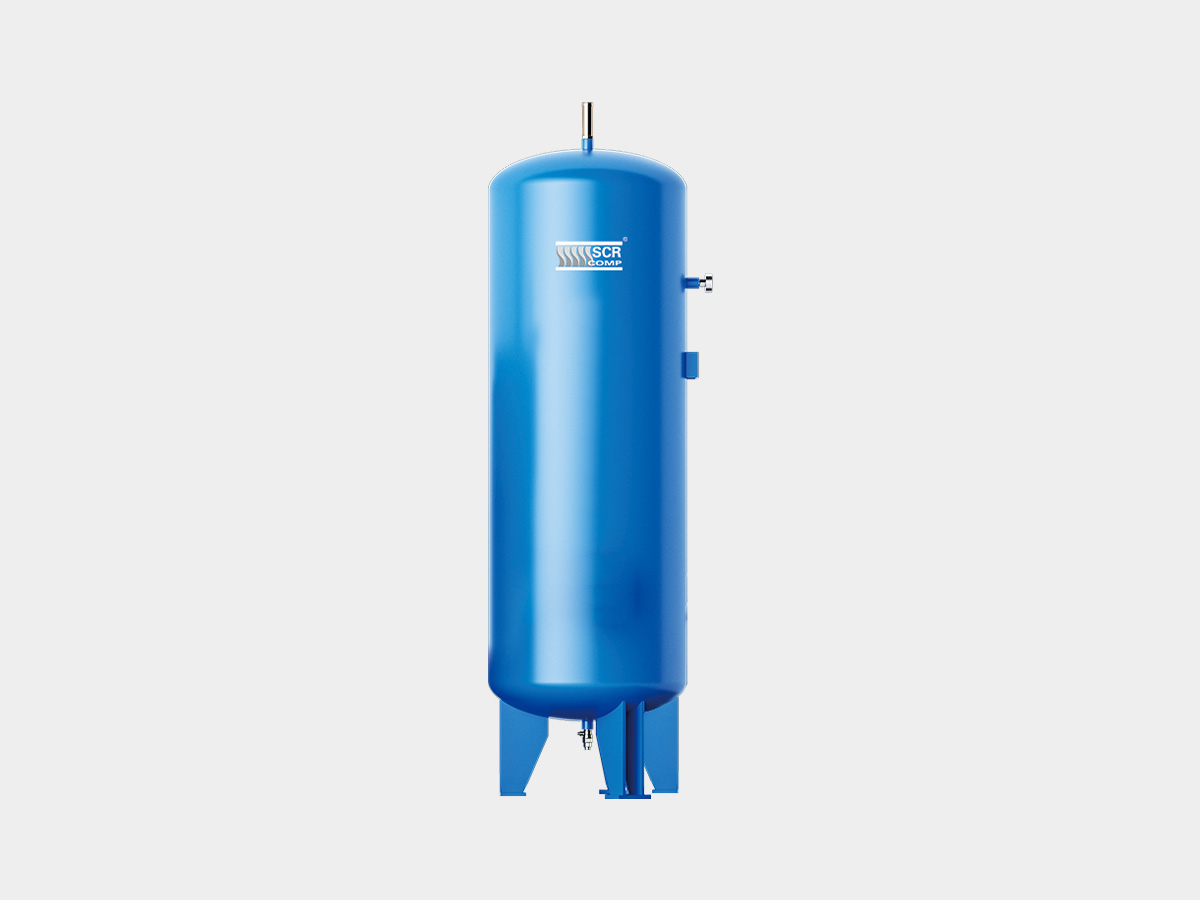 Air Tank
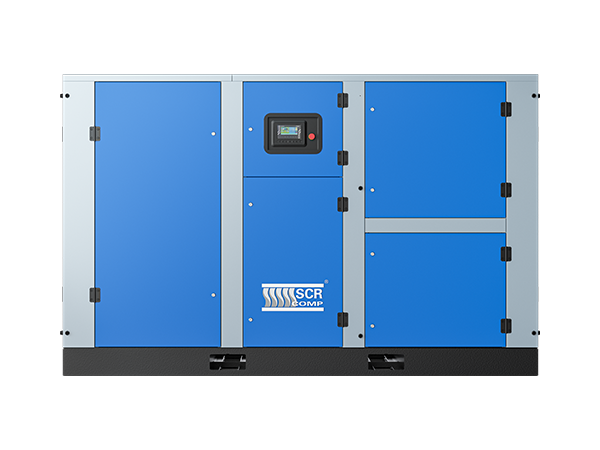 Low pressure Permannent Magnetic VSD screw air c
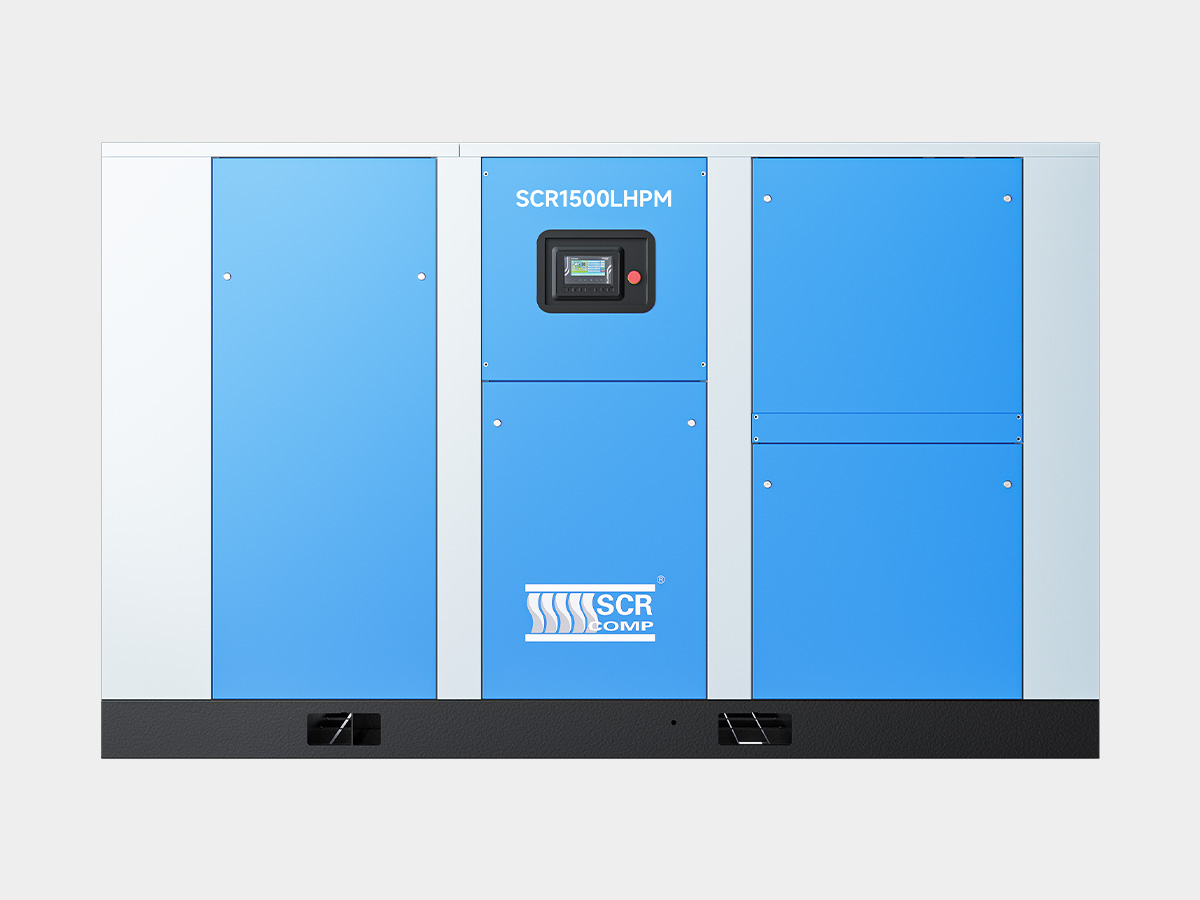 low pressure Two stages screw compressor LH/LHPM
 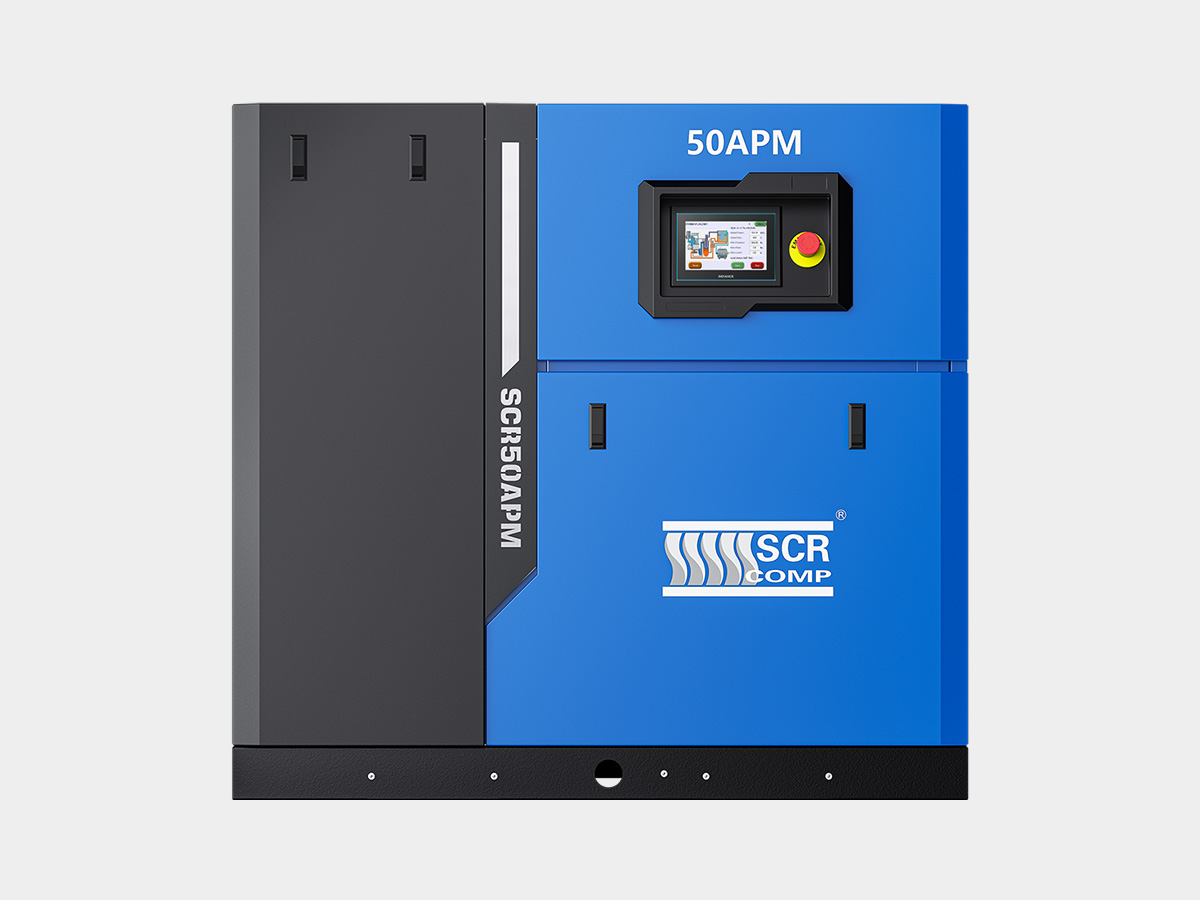 Permanent Magnetic VSD Screw air compressor APM s
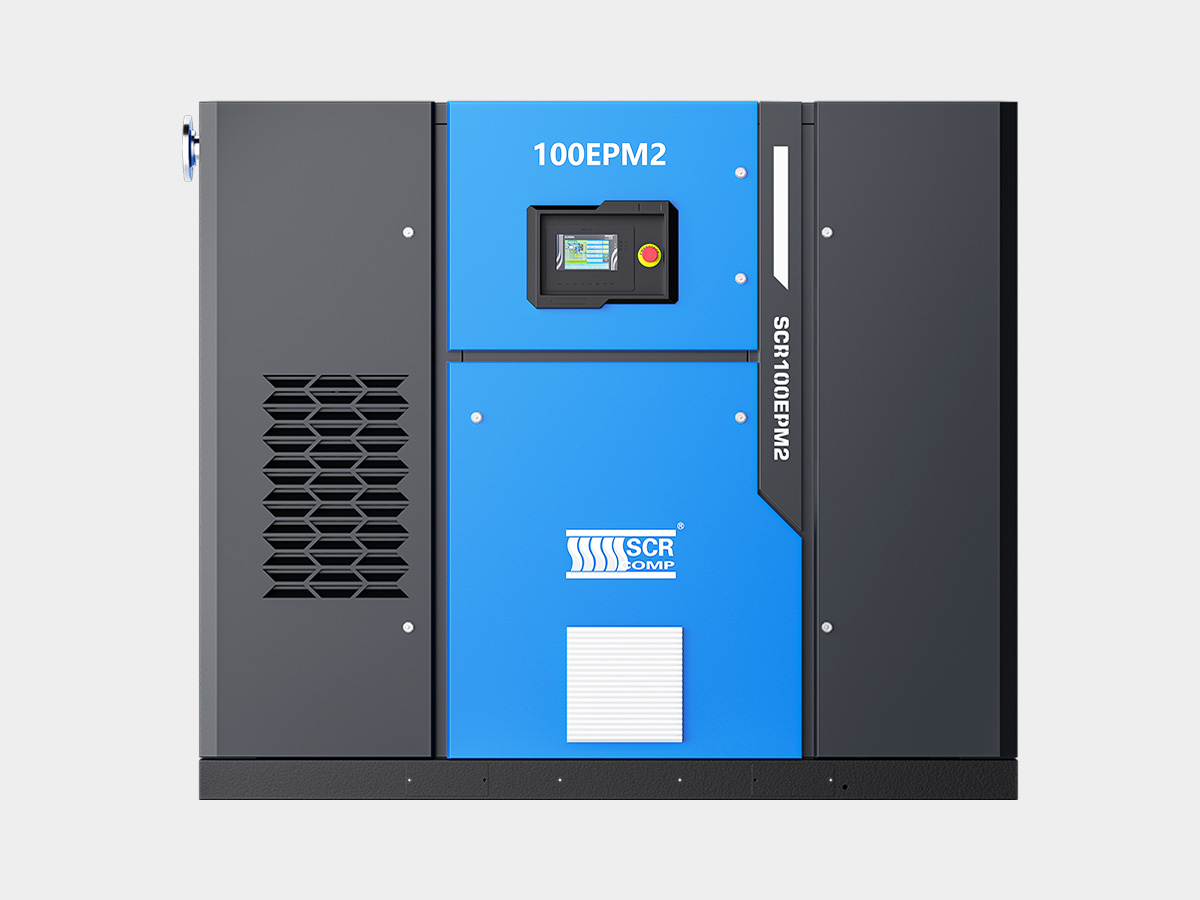 Permanent Magnetic VSD Screw air compressor EPM/E
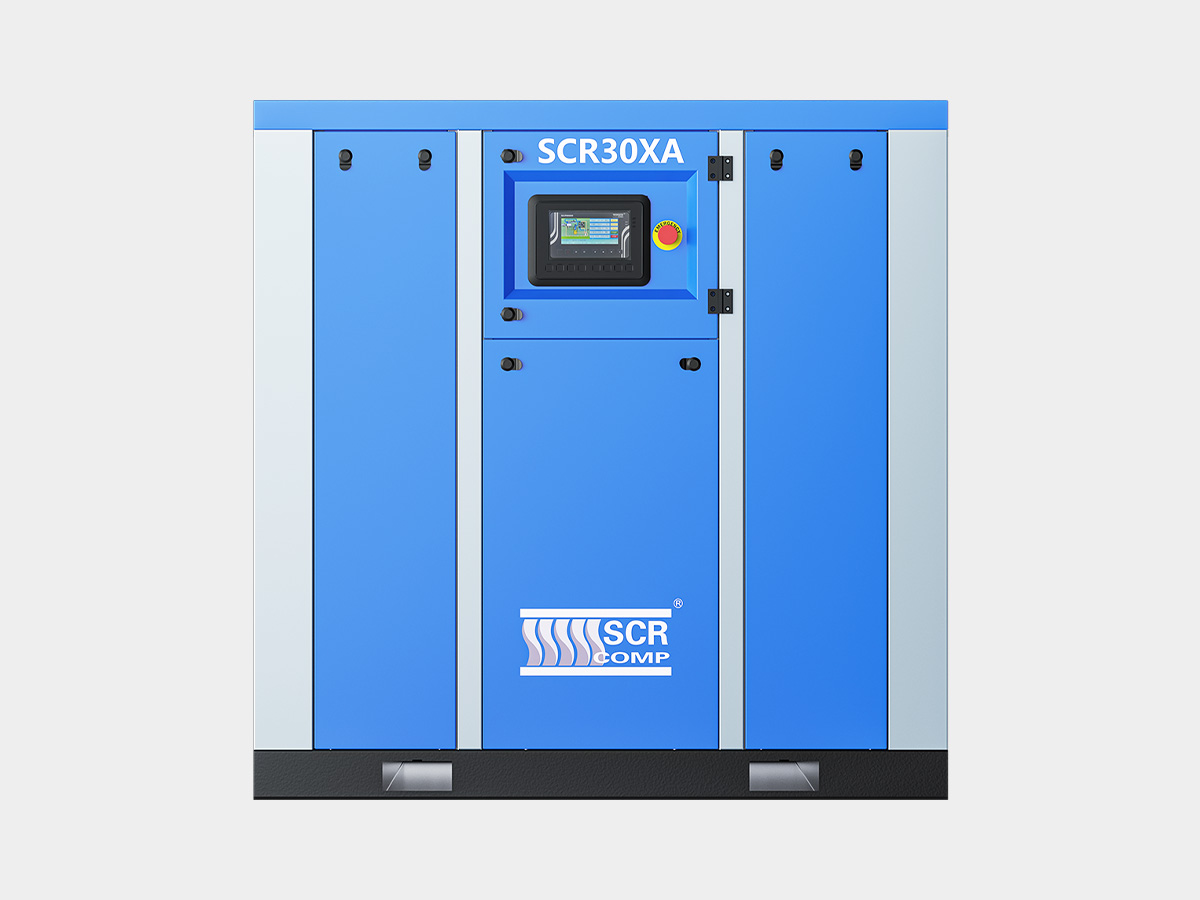 Oil Free Scroll Compressor XA series
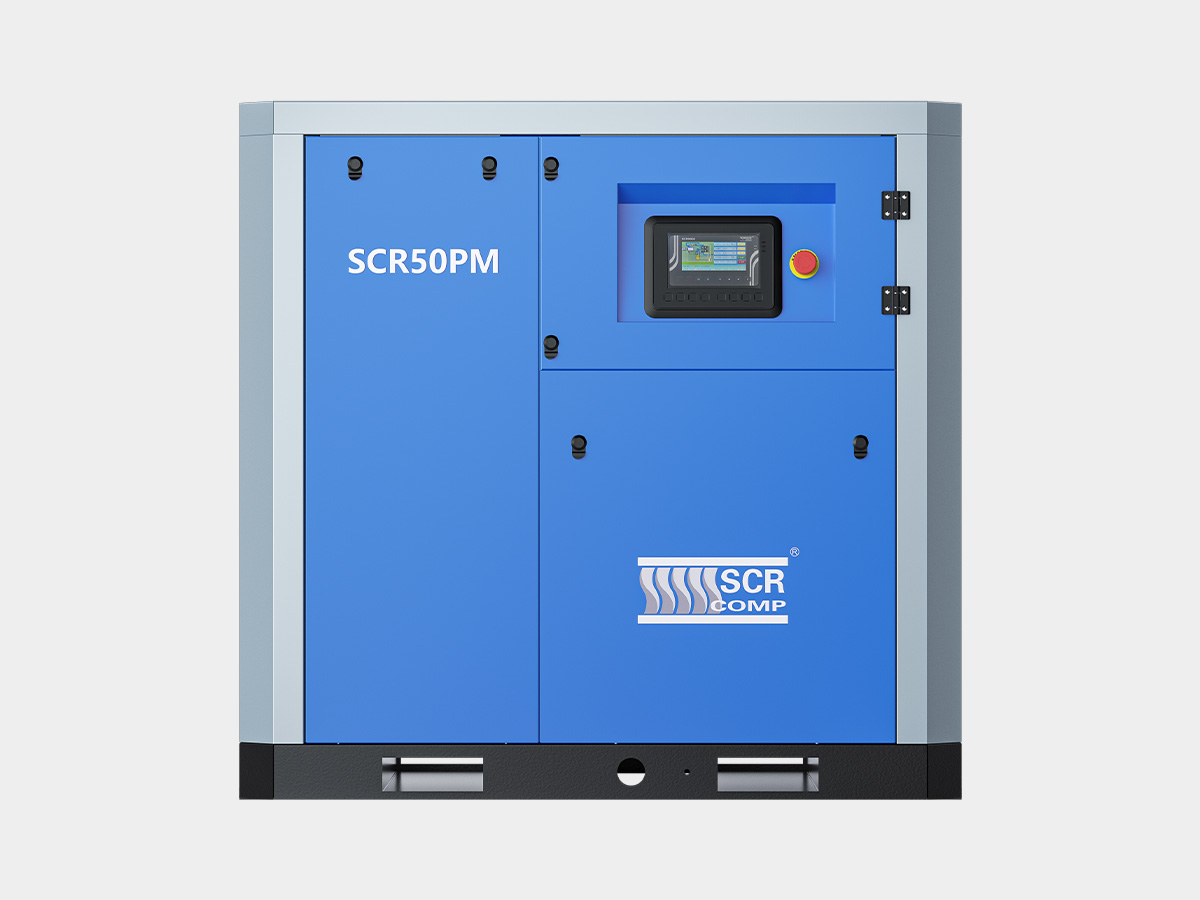 Permanent Magnetic VSD Screw air compressor PM se