Centrifugal vs. Magnetic Bearing Centrifugal Compressors
In the world of industrial operations, compressed air is often referred to as the fourth utility, following electricity, water, and gas. Selecting the appropriate compressor technology is a critical decision that impacts energy consumption, maintenance costs, and operational reliability. Among the most advanced and widely debated options are traditional centrifugal compressors and their modern evolution: magnetic bearing centrifugal compressors.
Although both are classified as dynamic compressors, which operate by accelerating air and converting its kinetic energy into pressure, they employ fundamentally different mechanical principles. Understanding their distinctions in technology, efficiency, and total cost of ownership (TCO) is essential for engineers, plant managers, and procurement specialists who aim to optimize their air systems for performance and sustainability.
This guide provides a detailed, side-by-side comparison to help you make an informed choice for your specific industrial application.
Core Technology: The Fundamental Difference
The primary distinction between these two compressor types lies in their bearing and drive systems.
Traditional Centrifugal Compressors rely on established mechanical engineering principles. At their core is a multi-stage impeller that rotates at high speeds—often tens of thousands of revolutions per minute (RPM)—to compress air. This impeller shaft is supported by oil-lubricated bearings (such as journal or tilting-pad bearings). The system typically requires a complex gearbox to increase the motor's speed to the optimal level for the impeller. This design involves multiple points of mechanical contact, necessitating lubrication, generating friction, and producing heat.
Magnetic Bearing Centrifugal Compressors represent a significant leap forward in bearing technology. They replace all mechanical contact in the bearing system with electromagnetic levitation. The rotating shaft, impeller, and motor rotor are suspended within a magnetic field, completely eliminating physical contact during operation.
This is achieved through a sophisticated system comprising position sensors and a digital controller that adjusts electromagnetic forces thousands of times per second to maintain perfect shaft alignment. The high-speed motor is often a permanent magnet motor directly integrated onto the shaft, thereby entirely eliminating the need for a gearbox.
Key Comparison: Performance, Efficiency, and Cost
The following table summarizes the critical differences between the two technologies across key operational and economic parameters.
Aspect
|
Traditional Centrifugal Compressor
|
Magnetic Bearing Centrifugal Compressor
|
Bearing & Drive System
|
Oil-lubricated mechanical bearings; Gearbox-driven.
|
Electromagnetic levitation bearings; Direct-drive high-speed motor.
|
Full-Load Energy Efficiency
|
High efficiency, but generally lower than magnetic bearing models.
|
Extremely high. Lower mechanical losses translate to superior full-load efficiency.
|
Part-Load Energy Efficiency
|
Efficiency drops significantly when operating below 70-80% of capacity.
|
Excellent. Speed is controlled via a Variable Frequency Drive (VFD) with minimal efficiency penalty, often effective down to 10% load.
|
Maintenance Requirements
|
High. Requires regular oil changes, filter replacements, and bearing inspections. Oil analysis is critical.
|
Very low. No lubricating oil for bearings, no gearbox. Primarily involves air filter changes.
|
Lubrication System
|
Requires a large oil system (hundreds of liters). Risk of oil contamination in the compressed air stream.
|
Delivers 100% Oil-Free Air. No lubricating oil in the compression chamber, ensuring pure air output.
|
Noise Level
|
Higher noise levels due to gear meshing and mechanical friction.
|
Noticeably quieter operation (e.g., approximately 69 dB(A) vs. 85 dB(A) for some comparable models).
|
Footprint & Weight
|
Larger and heavier due to the gearbox and oil system.
|
More compact and lighter, enabling flexible installation.
|
Initial Investment Cost
|
Lower upfront capital cost.
|
Higher initial purchase price, typically 20-40% more than a traditional centrifugal unit.
|
Total Cost of Ownership (TCO)
|
Higher long-term costs due to energy consumption at part load, maintenance, and oil-related expenses.
|
Often lower over a 5-10 year period, dominated by significant energy savings and negligible maintenance costs.
|
Application Scenarios: Choosing the Right Tool for the Job
Your specific operational profile will dictate which technology offers the greatest advantage.
Situations where a Traditional Centrifugal Compressor may be suitable:
Stable, High-Load Demand: Applications with a nearly constant, high air demand (consistently above 80% of the compressor's capacity).
Initial Budget Constraints: Projects where upfront capital cost is the primary limiting factor, with less emphasis on long-term operational expenses.
Familiarity & Conservative Preference: Facilities with extensive in-house expertise and spare parts inventories for maintaining traditional centrifugal machinery.
Situations where a Magnetic Bearing Compressor is the superior choice:
Variable Air Demand: This is their strongest advantage. Facilities with significant production shifts, multiple operating schedules, or weekend shutdowns can achieve tremendous energy savings.
Critical Oil-Free Air Quality Requirements: Industries such as food & beverage, pharmaceuticals, electronics, and textiles, where any oil contamination could compromise product quality or manufacturing processes.
Sustainability & ESG (Environmental, Social, and Governance) Goals: Organizations targeting aggressive reductions in energy use and carbon footprint. Magnetic bearing technology is often highlighted in national industrial energy efficiency guidelines for its energy-saving potential.
Space-Limited or Noise-Sensitive Installations: Their compact size and quiet operation make them ideal for installations near production floors or in urban areas.
Desire for Low Maintenance & High Uptime: Facilities with limited maintenance staff or where compressor downtime is extremely costly benefit from the simplified, infrequent maintenance schedule.
Industry Trends and Future Outlook
The market is decisively moving towards high-efficiency, intelligent compression solutions. The global industrial compressor market continues to grow, with a strong push towards technologies that support electrification and decarbonization.
Magnetic bearing centrifugal compressors are at the forefront of this trend. They are no longer a niche product but are rapidly becoming a mainstream choice, especially in sectors like data centers, where stringent Power Usage Effectiveness (PUE) regulations make their high efficiency a necessity. As the technology matures and production scales, the initial cost premium is expected to narrow, further accelerating adoption. The integration of the Industrial Internet of Things (IIoT) for predictive monitoring and system optimization is also more seamlessly implemented on these digitally-native platforms.
Conclusion
The choice between a traditional centrifugal compressor and a magnetic bearing centrifugal compressor is a classic decision between lower initial cost and lower lifetime cost.
Traditional centrifugal compressors are robust, proven machines effective for steady-state, high-load applications. Their lower purchase price is accompanied by the long-term costs of lubricants, higher energy consumption during periods of variable demand, and more complex maintenance.
Magnetic bearing centrifugal compressors represent the modern standard for efficiency and reliability. Their higher initial investment is frequently offset by dramatic energy savings—especially under real-world variable conditions—and the near-elimination of maintenance-related costs and downtime.
For most modern industrial applications characterized by fluctuating demand, a focus on total cost of ownership, and requirements for ultra-clean air, the magnetic bearing centrifugal compressor offers a compelling and future-proof solution. Before making a final decision, it is recommended to conduct a detailed analysis of your facility's specific air demand profile and calculate the total cost of ownership over the expected lifespan of the equipment.


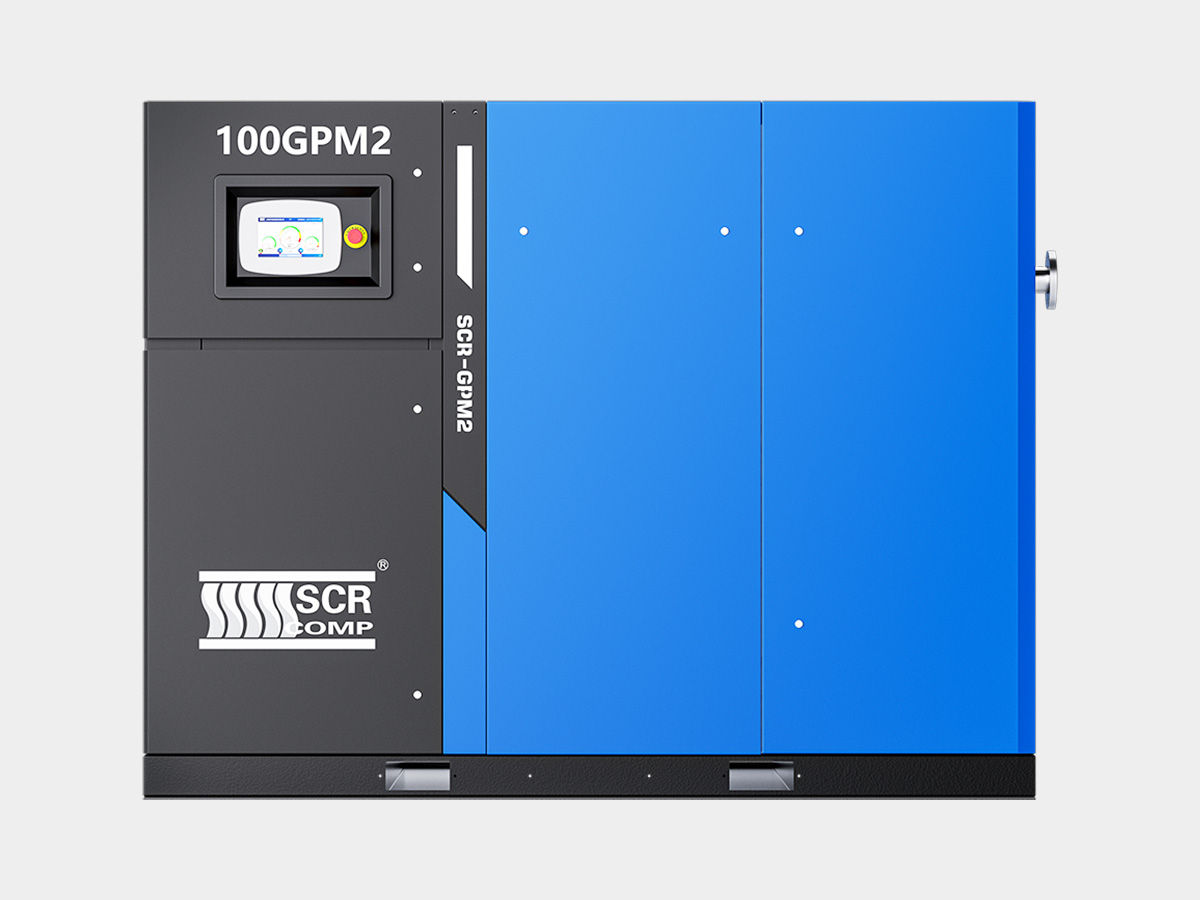 High speed direct drive twin screw oil-free air c
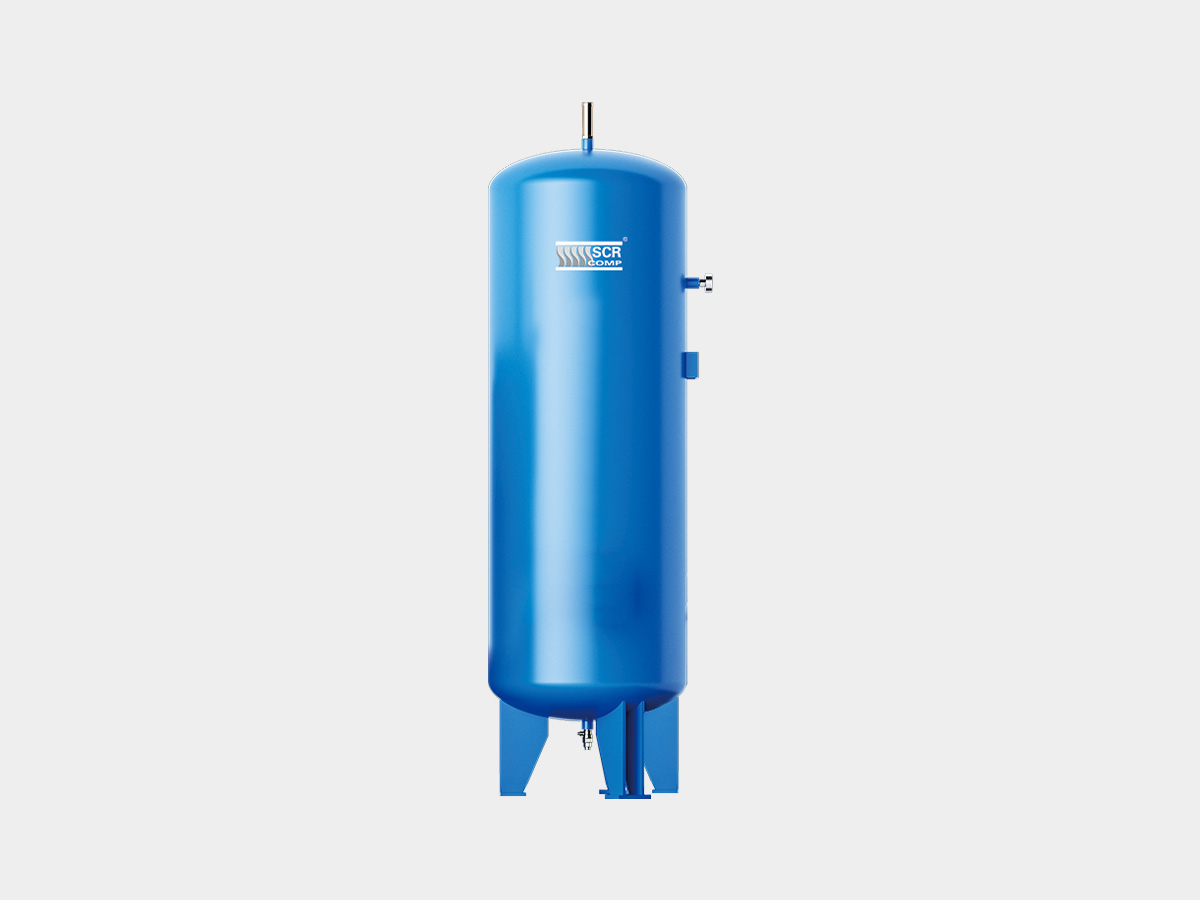 Air Tank
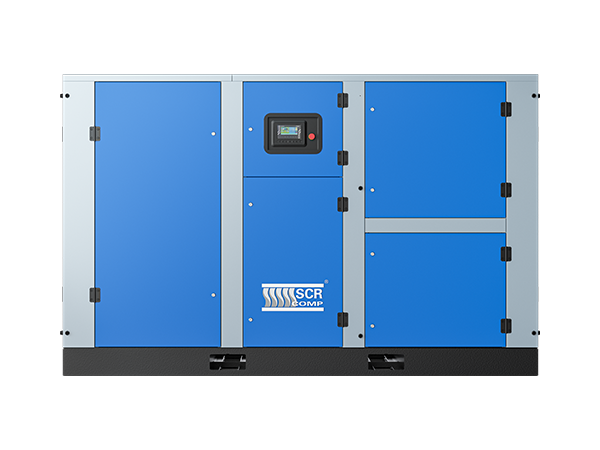 Low pressure Permannent Magnetic VSD screw air c
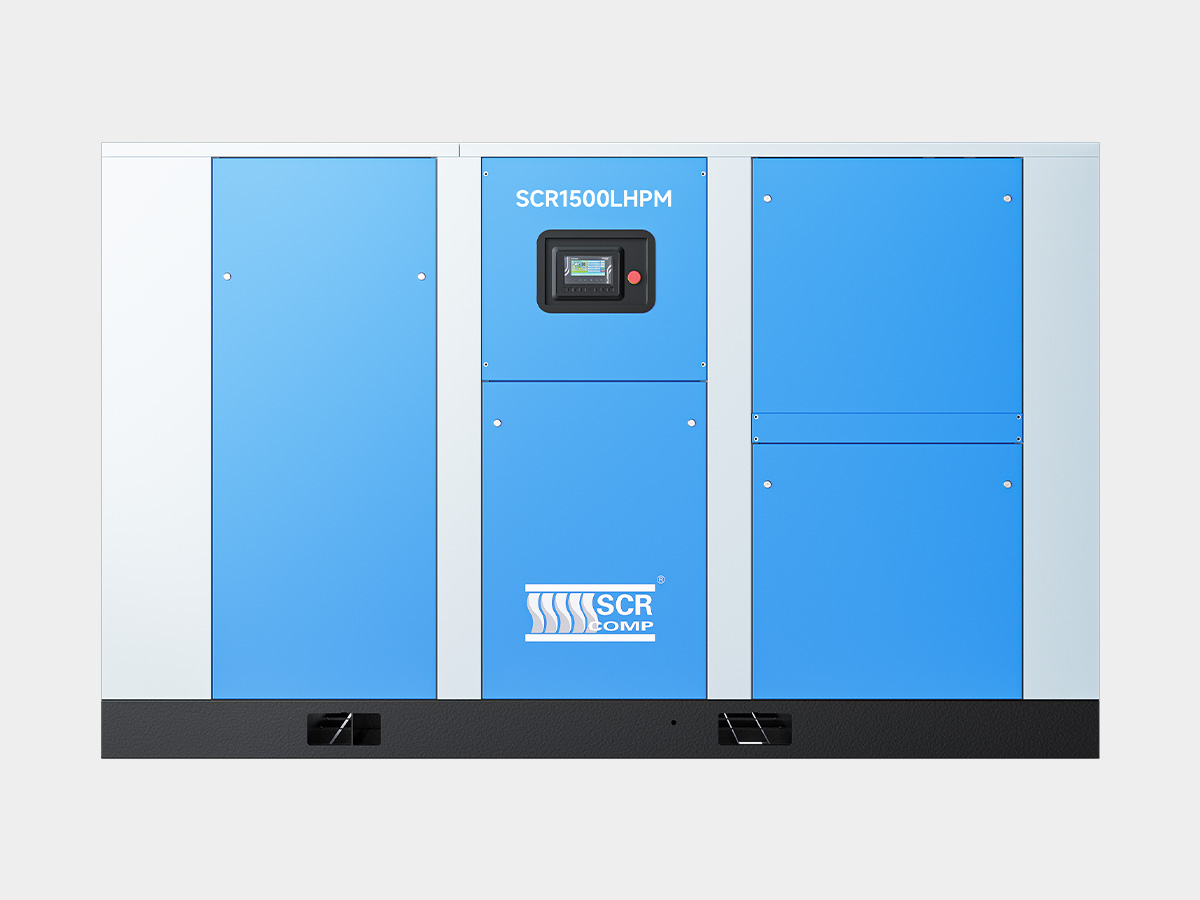 low pressure Two stages screw compressor LH/LHPM
 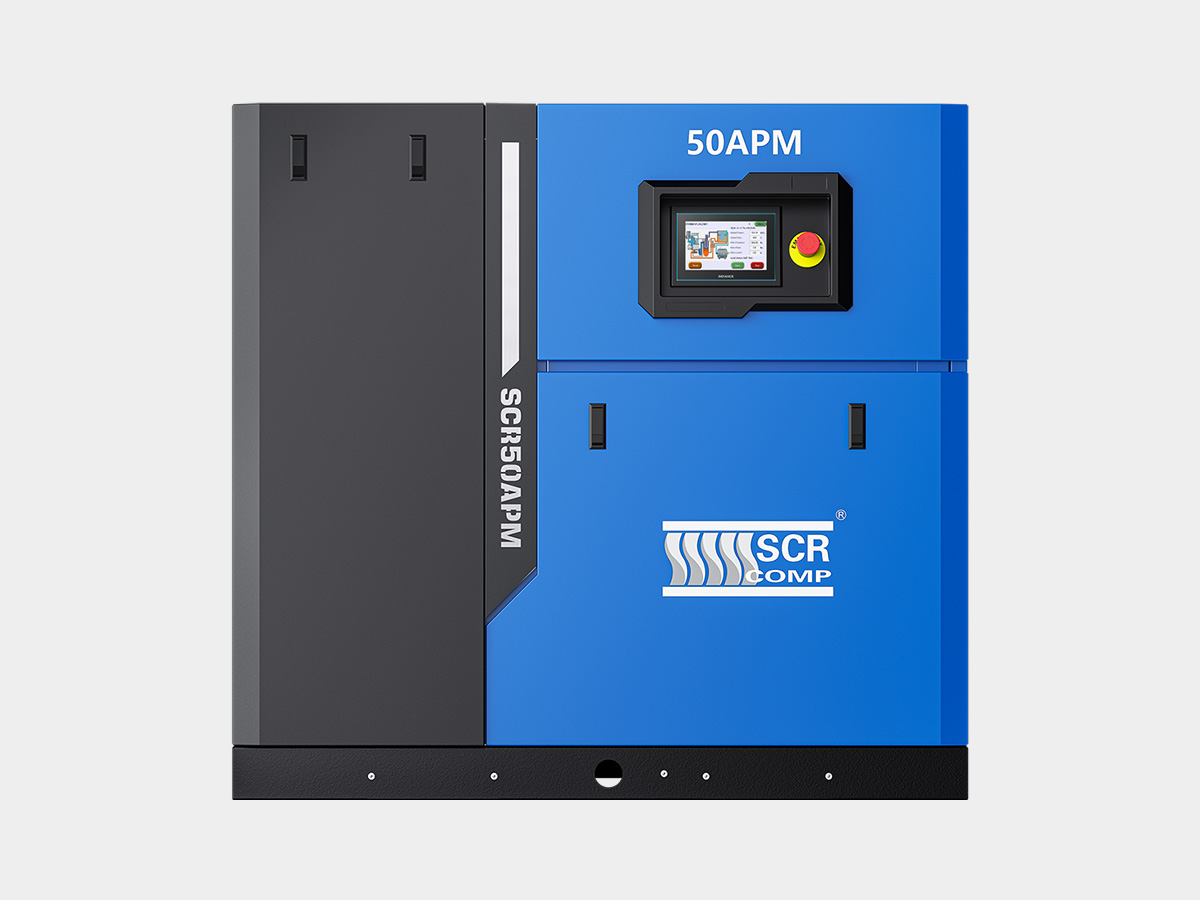 Permanent Magnetic VSD Screw air compressor APM s
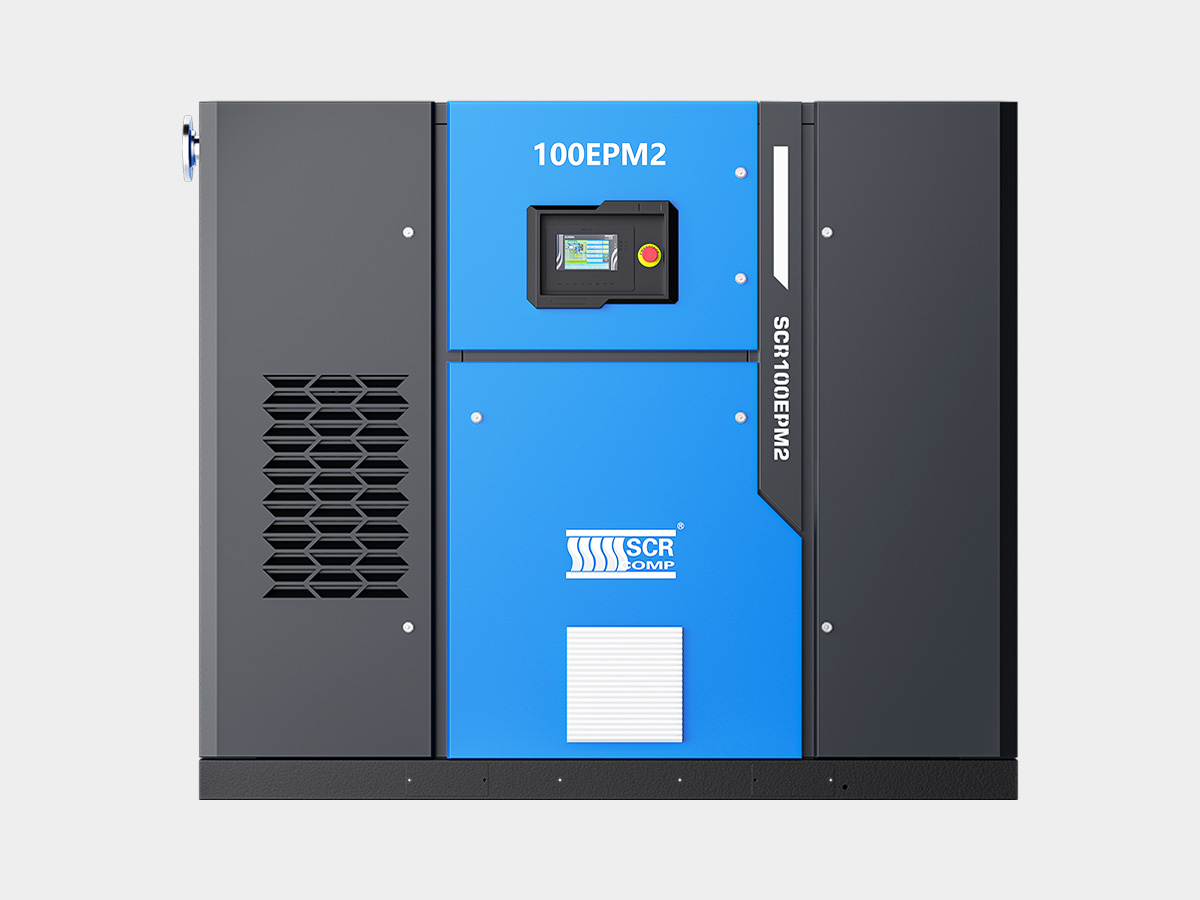 Permanent Magnetic VSD Screw air compressor EPM/E
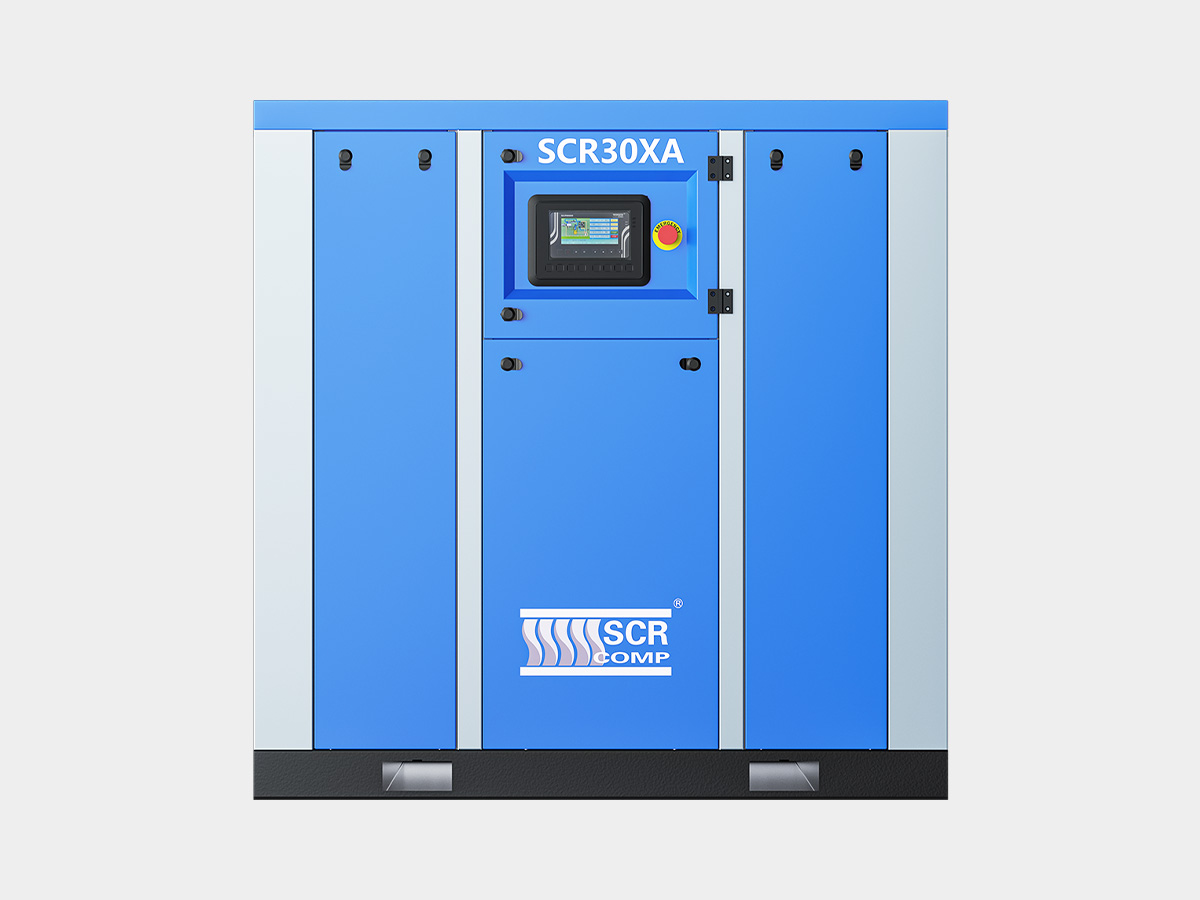 Oil Free Scroll Compressor XA series
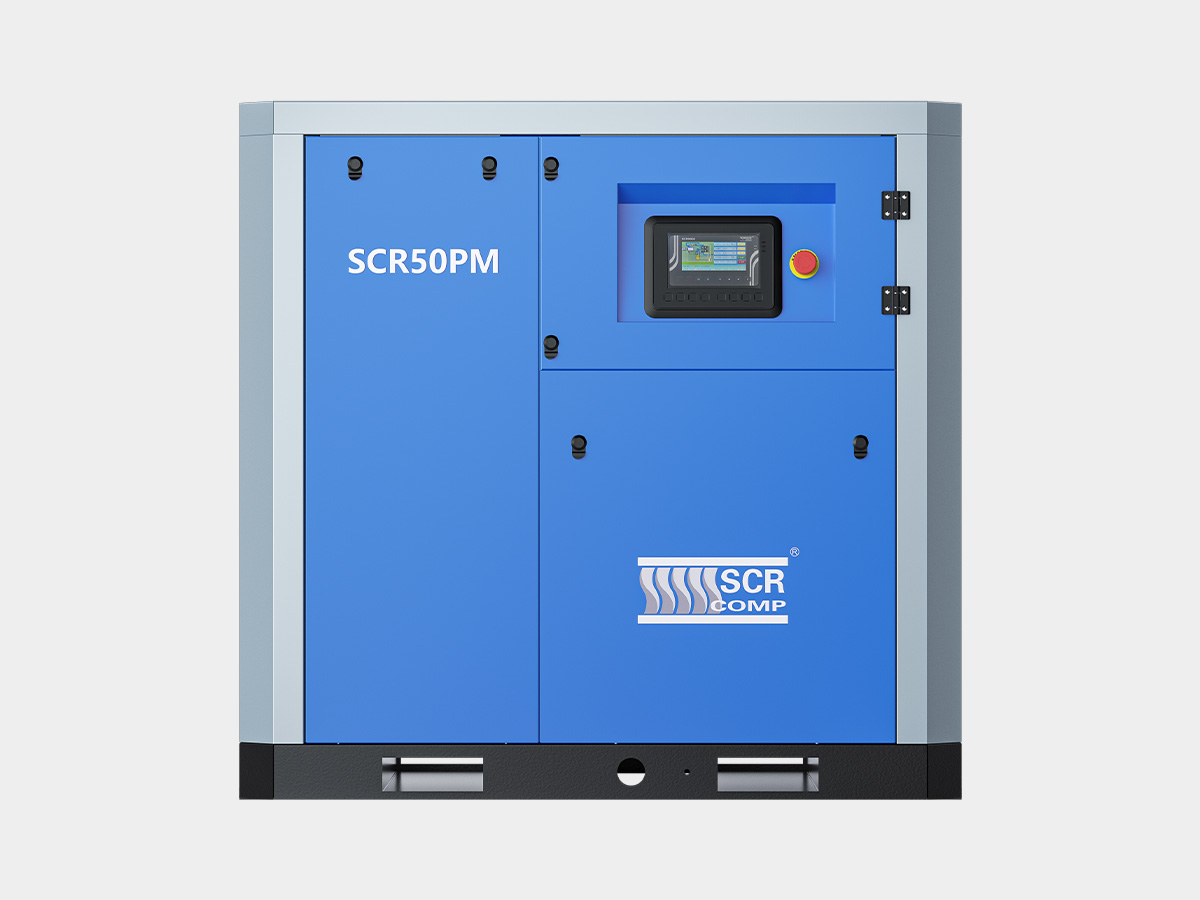 Permanent Magnetic VSD Screw air compressor PM se