Are Centrifugal Compressors Oil-Free?
When selecting a compressor for critical applications, one of the most common and important questions engineers ask is: Are centrifugal compressors oil-free? The answer is nuanced. While the core compression chamber of a true centrifugal compressor is inherently oil-free, the overall system's classification depends on the bearing and sealing technology used to support the high-speed shaft. Modern advancements now allow centrifugal compressors to operate as completely oil-free systems, a critical feature for industries where even microscopic contamination is unacceptable.
This article cuts through the technical complexity to explain how centrifugal compressors work, the technologies that enable oil-free operation, and how to select the right system for your application.
How Centrifugal Compressors Work: An Inherently Oil-Free Compression Principle
At its heart, a centrifugal compressor increases air or gas pressure through dynamic energy transfer. It differs fundamentally from positive displacement compressors (like screw or piston types), where oil is often used to seal, lubricate, and cool within the compression chamber itself.
Here’s the simple, oil-free process:
Acceleration: Gas enters the center of a high-speed rotating impeller. As the impeller spins—often at tens of thousands of RPM—it flings the gas outward at high velocity.
Diffusion: The high-velocity gas then enters a stationary ring of diffuser vanes. This passage slows the gas down, converting its kinetic energy (speed) into potential energy (pressure).
Collection: The now high-pressure gas is collected in a volute or casing and discharged.
Since the gas never contacts a lubricant during this compression stage, the airflow is inherently uncontaminated by oil from the process. The critical question of oil contamination hinges entirely on the bearing and gear systems that support the impeller shaft.
Oil-Free vs. Oil-Lubricated: Key Technology Differences
The classification of a centrifugal compressor as "oil-free" is determined by its support systems. The industry is divided into two main technological paths.
1. Traditional Oil-Lubricated Systems
Most conventional centrifugal compressors use oil-lubricated bearings (like journal or tilt-pad bearings) and often an oil-lubricated gearbox to achieve the necessary high shaft speeds. Here, a complex oil management system is required, including:
Pumps, reservoirs, filters, and coolers.
Sophisticated shaft seals to prevent lubricating oil from leaking into the compression stream.
While effective, this system introduces a risk of oil contamination through seal failure and requires significant maintenance of the oil system itself.
2. Modern Oil-Free Technologies
To eliminate contamination risk and simplify systems, engineers developed true oil-free centrifugal compressors. These employ advanced alternatives for shaft support:
Air Foil Bearings (Foils): This is a breakthrough technology for mid-sized compressors. The shaft rotates on a thin, self-generated film of air, not oil. The bearings consist of flexible, springy "foils" that adapt to the shaft's dynamics. They require no liquid lubricant, seals, or oil systems, resulting in a completely oil-free gas path with minimal maintenance.
Magnetic Bearings: For large, high-power industrial compressors, active magnetic levitation is the gold standard. Electromagnets suspend the rotor in mid-air with no physical contact. This allows for unprecedented control over vibration and alignment, eliminates friction, and guarantees absolute purity of the compressed gas.
Dry Gas Seals: In conjunction with oil-lubricated bearings, these non-contacting face seals use a barrier of clean seal gas to prevent oil migration. While not making the entire compressor oil-free, they are a high-reliability component critical for maintaining purity in oil-lubricated machines.
Comparison of Centrifugal Compressor Bearing Technologies
|
Feature
|
Oil-Lubricated Bearings
|
Air Foil Bearings
|
Magnetic Bearings
|
|
Lubricant
|
Mineral or Synthetic Oil
|
Air (the process gas)
|
None (magnetic field)
|
|
Oil System Required
|
Yes (Complex: pumps, coolers, filters)
|
No
|
No
|
|
Risk of Process Contamination
|
Possible via seal failure
|
None
|
None
|
|
Maintenance Needs
|
High (oil changes, filter replacements)
|
Very Low
|
Low (electronic system)
|
|
Initial Cost
|
Lower
|
Moderate
|
Higher
|
|
Best For
|
Large industrial processes, non-critical air
|
HVAC, mid-range process air, portableunits
|
Large turbomachinery,extreme purity/reliability
|
The demand for 100% oil-free air is driven by stringent quality standards and the severe consequences of contamination. Key standards like ISO 8573-1 Class 0 certify that the total oil content (aerosol, liquid, and vapor) is below 0.01 mg/m³, effectively "zero" oil.
Industries mandating this level of purity include:
Food & Beverage and Pharmaceuticals: To prevent product contamination, spoilage, and ensure compliance with health regulations (e.g., FDA, EHEDG). Used in direct contact applications like packaging, fermentation, and ingredient conveying.
Semiconductor & Electronics Manufacturing: Even nanoscopic oil particles can destroy microchips and optical components during production. Oil-free air is non-negotiable in cleanrooms.
Petrochemical & Chemical Processing: When compressing reactive or sensitive gases (e.g., hydrogen, chlorine), oil can cause catalyst poisoning or dangerous chemical reactions. Oil-free systems also align with the shift to low-global-warming-potential (GWP) or flammable refrigerants in HVAC, where oil mixing poses a safety risk.
Medical & Laboratory Applications: Provides clean air for respirators, surgical tools, and laboratory instrumentation, where patient safety and experiment integrity are paramount.
Advantages and Trade-Offs of Going Oil-Free
Choosing an oil-free centrifugal compressor involves weighing significant benefits against key considerations.
Advantages:
Eliminated Contamination Risk: The primary benefit, ensuring product safety and process integrity.
Lower Operational Costs: Removes expenses for lubricant purchases, oil filters, and oil disposal. Also reduces the energy needed to run auxiliary oil pumps.
Reduced Maintenance Complexity: With no oil system, maintenance intervals are longer, tasks are simpler, and system reliability increases due to fewer failure points.
Enhanced Sustainability: No risk of oil leaks or disposal of used oil, reducing environmental liability. Also enables more efficient use of next-generation refrigerants.
Considerations:
Higher Initial Investment: The advanced technology in foil or magnetic bearings leads to a higher upfront cost compared to traditional oil-lubricated machines.
Technical Sophistication: Maintenance requires specialized knowledge of the specific bearing technology, though the frequency of needed intervention is much lower.
How to Choose the Right Compressor for Your Needs
Selecting between oil-free and oil-lubricated centrifugal compressors is a strategic decision. Ask these key questions:
What is the required air purity standard? If your process mandates ISO Class 0 or Class 1, a true oil-free centrifugal compressor with foil or magnetic bearings is the only guaranteed choice.
What is the total cost of ownership (TCO)? While the initial price is higher, calculate the long-term savings from no oil changes, filter replacements, oil disposal fees, and reduced downtime. For critical processes, the cost of a single contamination event can far outweigh the compressor's price.
How critical is reliability and uptime? Industries like data center cooling or continuous chemical processing benefit immensely from the simplified, robust architecture of oil-free machines.
What are the environmental and safety regulations? If you are handling flammable gases or transitioning to low-GWP refrigerants, the inherent safety of an oil-free system is a major advantage.
Conclusion
So, are centrifugal compressors oil-free? The compression principle is, but the machine may not be. The core technology that defines a modern oil-free centrifugal compressor is its bearing system—air foil or magnetic bearings—which completely eliminates lubricating oil from the machine's architecture.
This innovation delivers guaranteed air purity, lower lifetime costs, and superior reliability for applications where quality and safety cannot be compromised. When evaluating compressors, look beyond the "oil-free" marketing term and scrutinize the bearing technology; it is the true determinant of whether your compressed air will remain pristine for the life of the system.


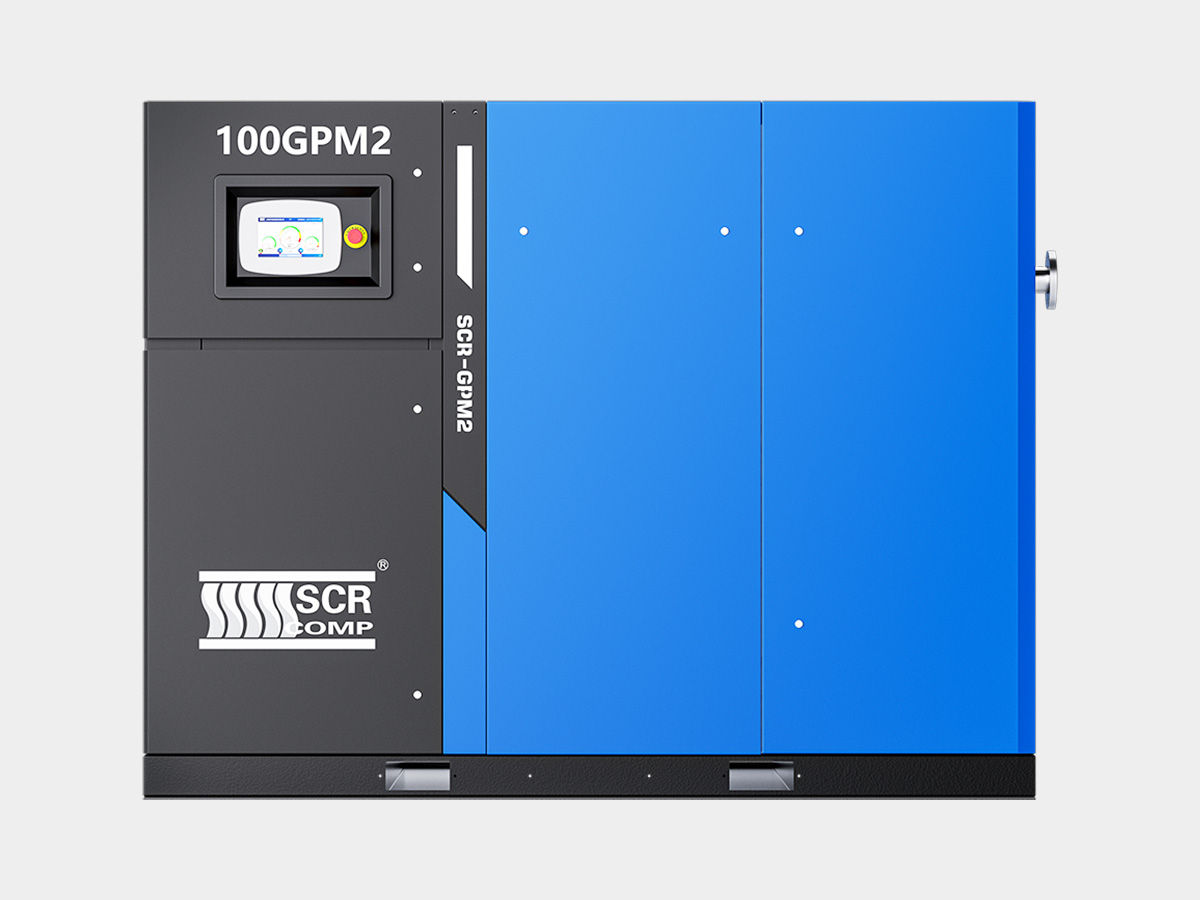 High speed direct drive twin screw oil-free air c
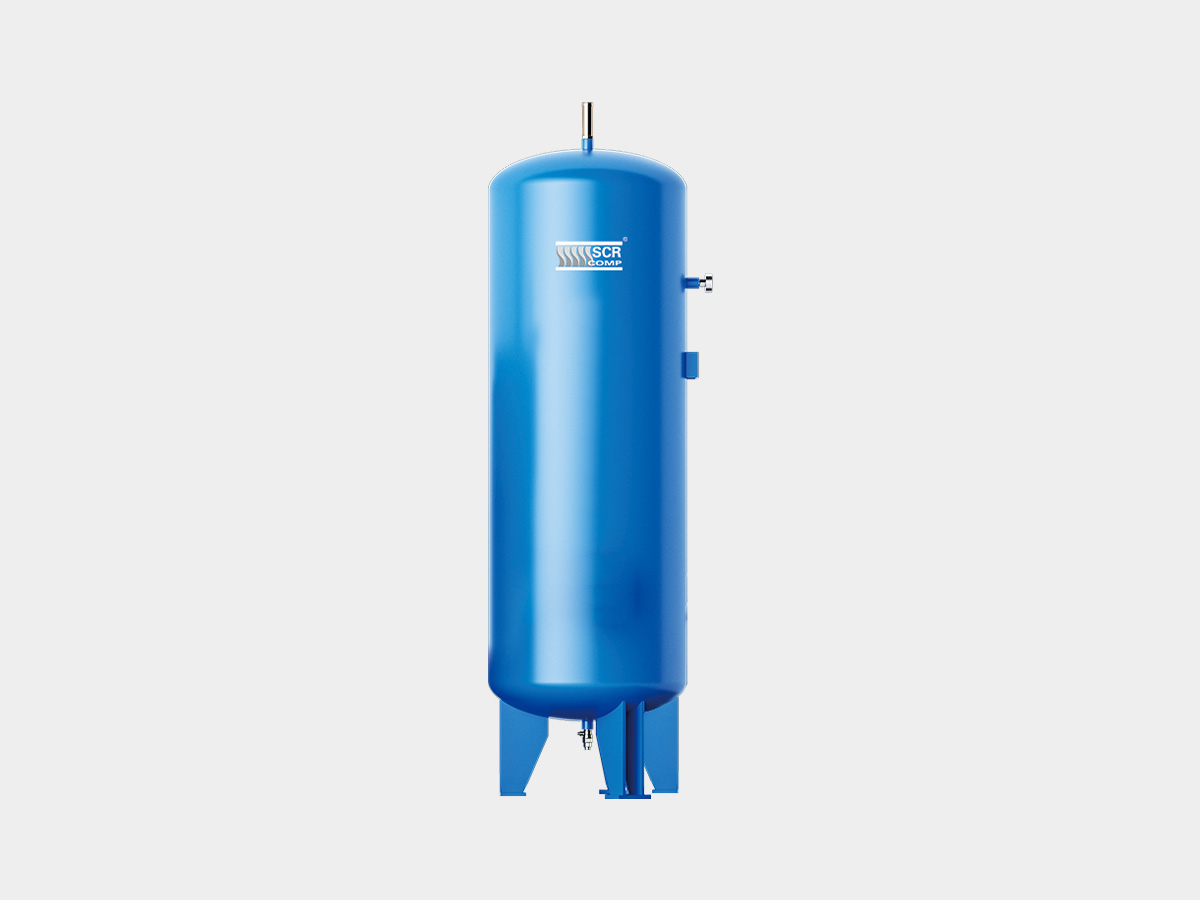 Air Tank
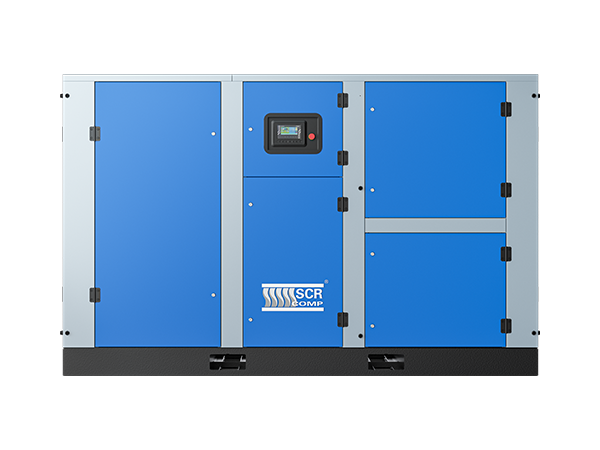 Low pressure Permannent Magnetic VSD screw air c
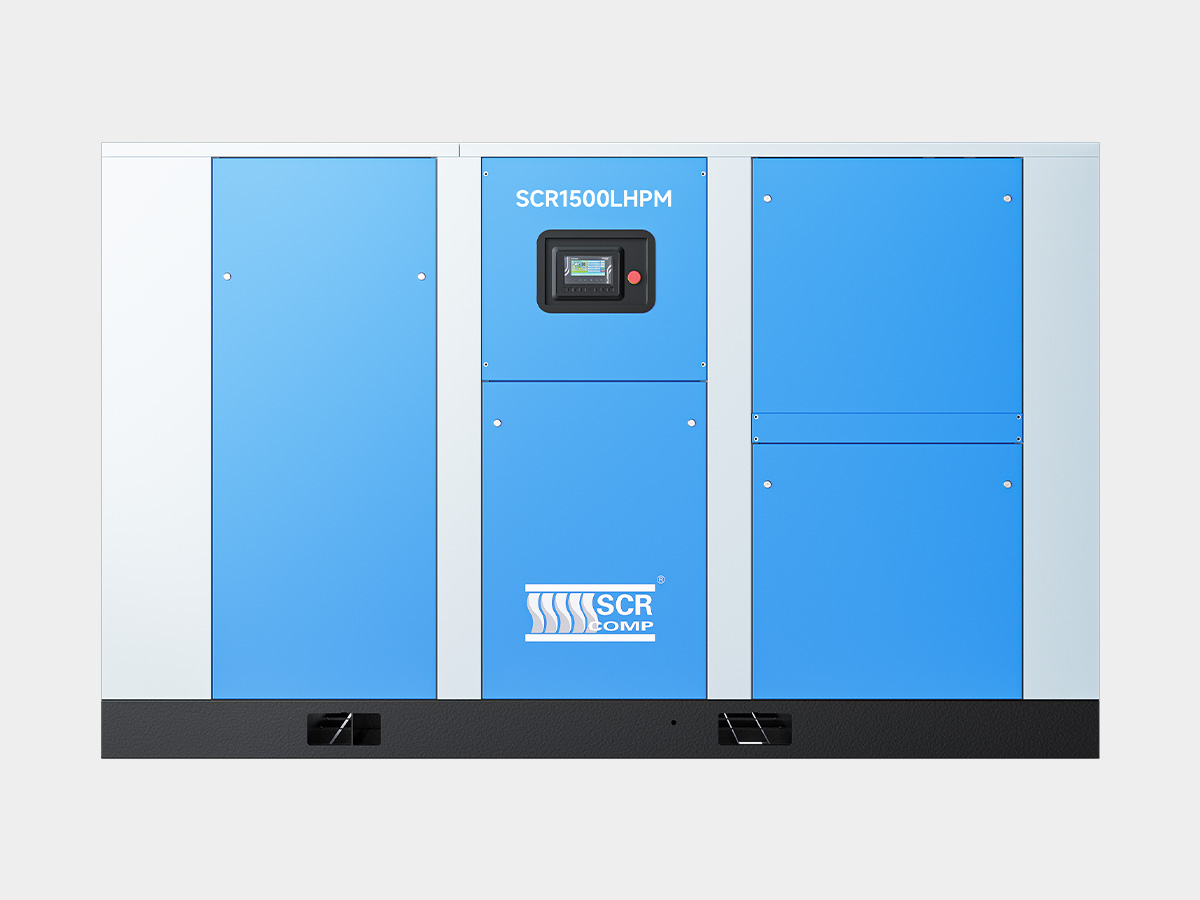 low pressure Two stages screw compressor LH/LHPM
  Permanent Magnetic VSD Screw air compressor APM s
 Permanent Magnetic VSD Screw air compressor EPM/E
 Oil Free Scroll Compressor XA series
 Permanent Magnetic VSD Screw air compressor PM se