What Are the Three Main Types of Compressors?
Compressors are the workhorses of countless industries, from manufacturing and HVAC to refrigeration and power tools. But with various technologies available, choosing the right one can be challenging. Understanding the fundamental types is the first critical step. This guide will explain the three primary types of compressors: positive displacement (including rotary and reciprocating), dynamic (or centrifugal), and the emerging scroll compressor, detailing how they work, their applications, and key advantages.
The Three Fundamental Compressor Types
Compressors operate on different principles to achieve one goal: increasing air or gas pressure. The three main categories are classified by their method of operation.
1. Positive Displacement Compressors
Positive displacement compressors work by trapping a fixed volume of air in a chamber and mechanically reducing that chamber's volume to increase pressure. This category is further divided into two common subtypes:
Reciprocating Compressors (Piston Compressors):
-
How They Work: These use pistons driven by a crankshaft. As the piston moves down, it draws air into the cylinder. On the upward stroke, it compresses the air and forces it into a storage tank.
-
Best For: Applications requiring high pressure but intermittent or variable demand. Ideal for smaller workshops, gas compression, and HVAC systems.
-
Key Advantages: High pressure capability, simple design, and cost-effectiveness for low-volume needs.
-
Considerations: Noisier, more vibration, and require more maintenance due to moving parts.
-
How They Work: These use two intermeshing helical screws (rotors). As the screws turn, air is trapped in the cavities between them and progressively compressed as the space reduces along the rotors.
-
Best For: Continuous, industrial applications with a constant demand for air, such as in manufacturing plants, food processing, and large automotive shops.
-
Key Advantages: Continuous, pulse-free air supply; energy-efficient for constant use; lower vibration and noise than reciprocating models; high reliability.
-
Considerations: Higher initial cost and less efficient for intermittent, stop-start operation.
Dynamic compressors, most commonly centrifugal compressors, function on a completely different principle. They use high-speed rotating impellers to transfer kinetic energy to the air, which is then converted to pressure energy as the air slows down in a diffuser.
-
How They Work: Air enters at the center of a high-speed impeller and is flung outward. This high-velocity air then enters a diffuser ring, where its speed is converted into increased static pressure.
-
Best For: Very large volume applications requiring a continuous, oil-free air supply. Common in water treatment plants, large-scale chemical processing, steel mills, and for turbochargers in engines.
-
Key Advantages: High flow rates (large CFM), oil-free output by design, high efficiency at full load, and minimal maintenance due to fewer contacting parts.
-
Considerations: High initial investment, complex controls, and poor efficiency at part-load conditions. They are not suited for high-pressure, low-flow applications.
While technically a subtype of positive displacement compressors, scroll compressors have become prominent enough to warrant distinct consideration, especially in specific markets.
-
How They Work: They use two interleaving spiral-shaped scrolls. One scroll remains stationary while the other orbits around it, trapping and progressively compressing pockets of air towards the center discharge port.
-
Best For: Applications where quiet, reliable, and oil-free operation is critical. Dominant in residential and commercial HVAC systems, refrigeration (like supermarket coolers), and medical air supplies.
-
Key Advantages: Extremely quiet and smooth operation, high energy efficiency, fewer moving parts leading to high reliability, and naturally oil-free compression in many designs.
-
Considerations: Generally not built for easy field repair (often described as "hermetic"), and capacity is typically fixed.
Comparison Table: Key Differences at a Glance
Feature
|
Reciprocating (Piston)
|
Rotary Screw
|
Centrifugal
|
Operating Principle
|
Piston in a cylinder
|
Intermeshing screws
|
High-speed impeller
|
Flow Type
|
Pulsating
|
Continuous, steady
|
Continuous, steady
|
Best For
|
Intermittent, high-pressure
|
Continuous, industrial
|
Very high-volume, continuous
|
Efficiency at Part Load
|
Fair
|
Good
|
Poor
|
Noise & Vibration
|
High
|
Moderate
|
Low (high-frequency sound)
|
Maintenance
|
Higher
|
Lower
|
Lower (but complex)
|
Oil-Free Air
|
Special models only
|
Special models only
|
Yes, by design
|
Which Compressor Type is Right for Your Needs?
Selecting the correct compressor depends on analyzing your specific requirements:
-
Air Demand & Usage Pattern: Do you need air constantly (screw/centrifugal) or intermittently (reciprocating)?
-
Required Pressure & Flow (CFM): High pressure at low flow suggests reciprocating. High, constant CFM suggests screw or centrifugal.
-
Duty Cycle: The percentage of time the compressor runs. 100% duty cycle demands a rotary screw or centrifugal.
-
Air Quality: Do you need dry, oil-free air? This may point to specific oil-free models, scroll, or centrifugal compressors.
-
Space & Noise Constraints: Scroll and centrifugal are quieter; rotary screws offer a good balance of power and footprint.
Conclusion
Understanding the three main types of compressors—positive displacement (reciprocating and rotary screw), dynamic (centrifugal), and scroll—provides a essential framework for making an informed decision. Each technology offers distinct advantages tailored to different pressure, flow, and operational needs. By carefully evaluating your application's demand profile, duty cycle, and air quality requirements against the strengths of each compressor type, you can ensure optimal performance, efficiency, and longevity for your system.
Consult with a compressed air specialist to analyze your specific facility's data and recommend the most efficient and cost-effective compressor solution for your operations.


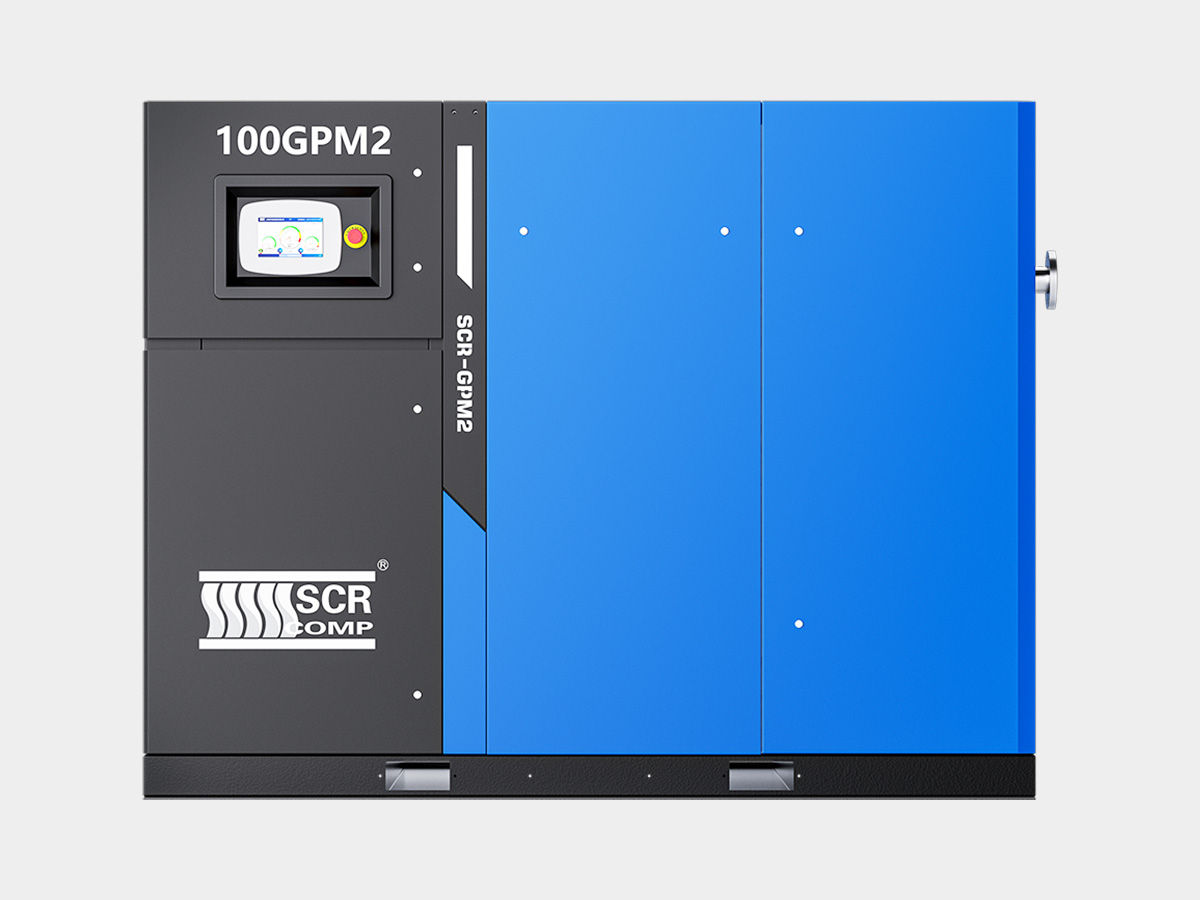 High speed direct drive twin screw oil-free air c
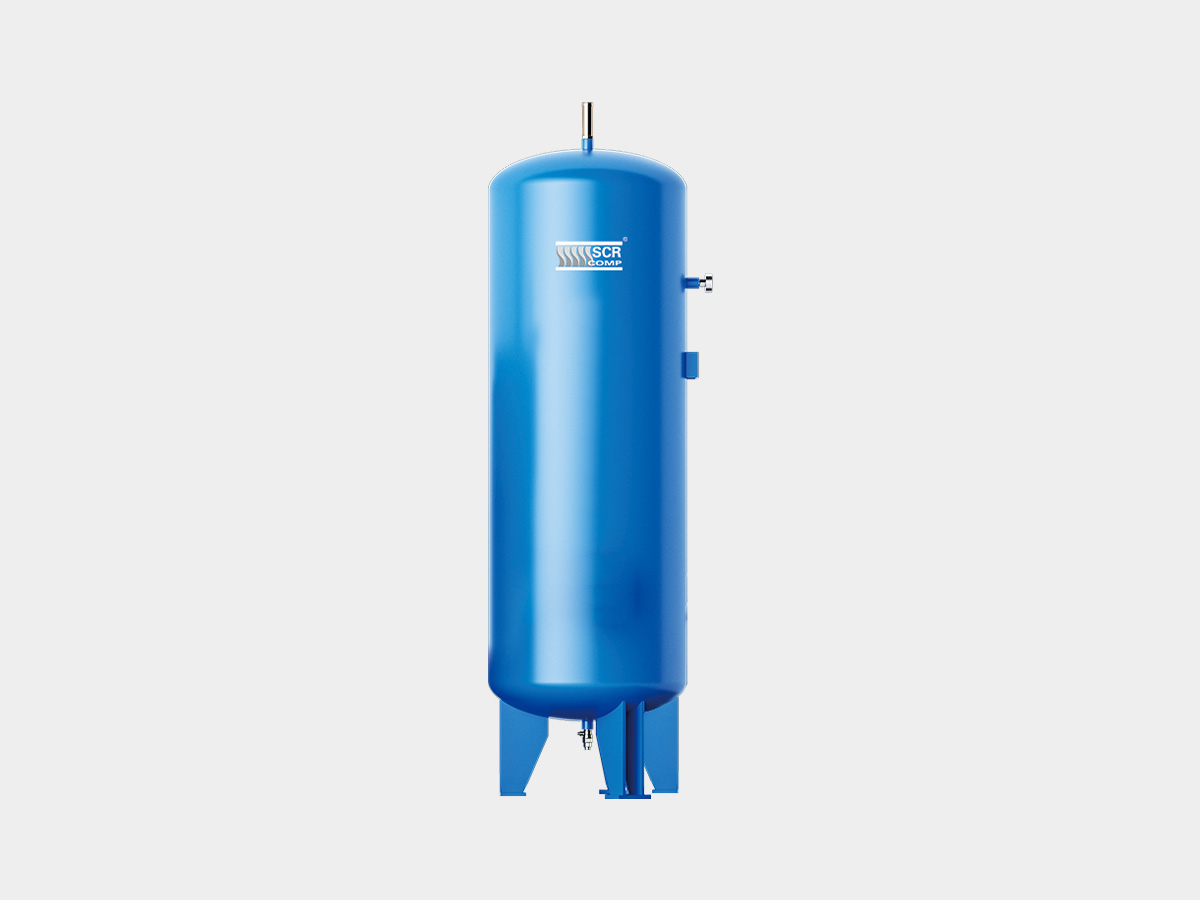 Air Tank
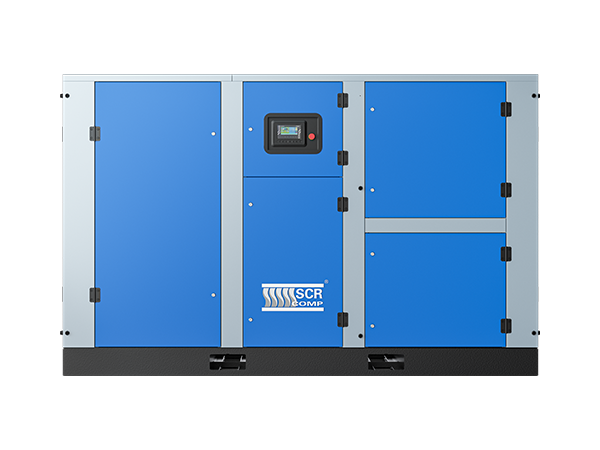 Low pressure Permannent Magnetic VSD screw air c
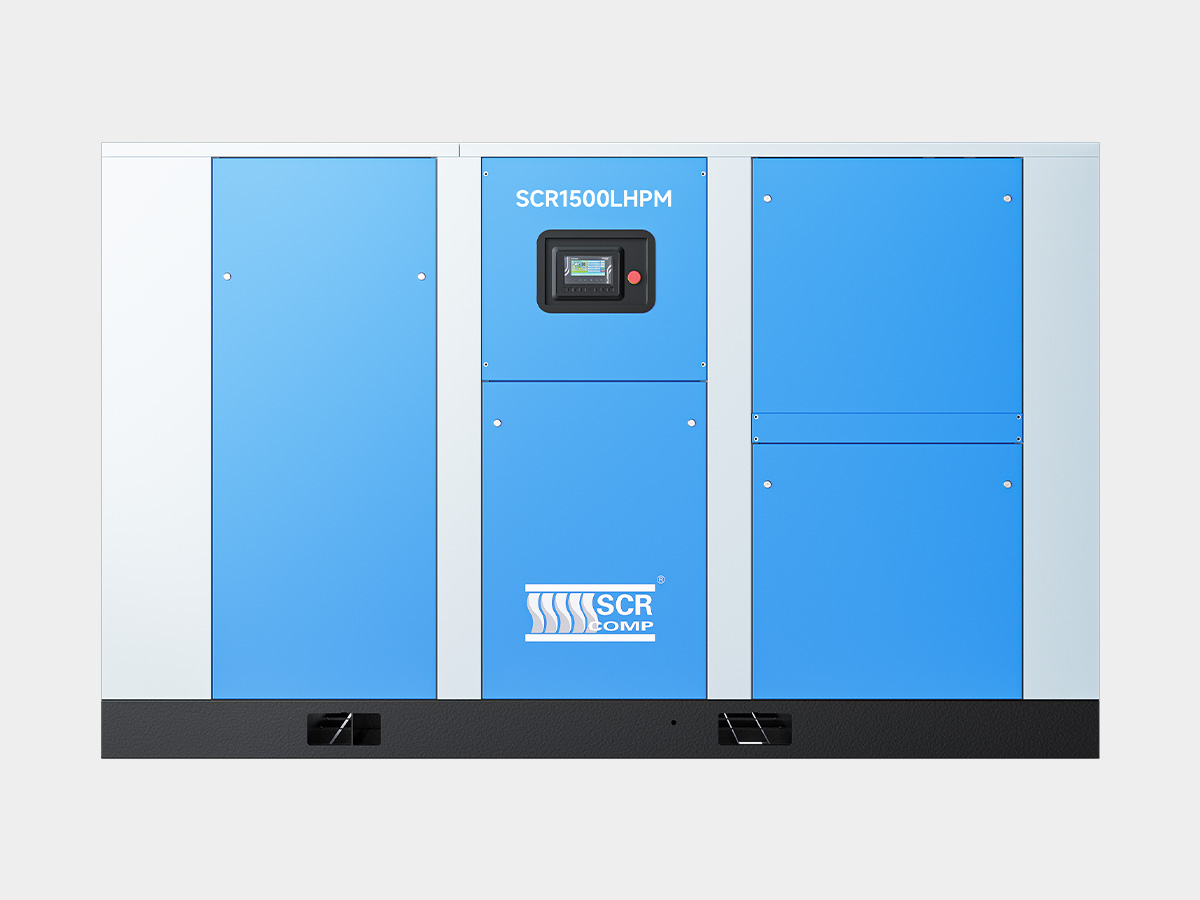 low pressure Two stages screw compressor LH/LHPM
 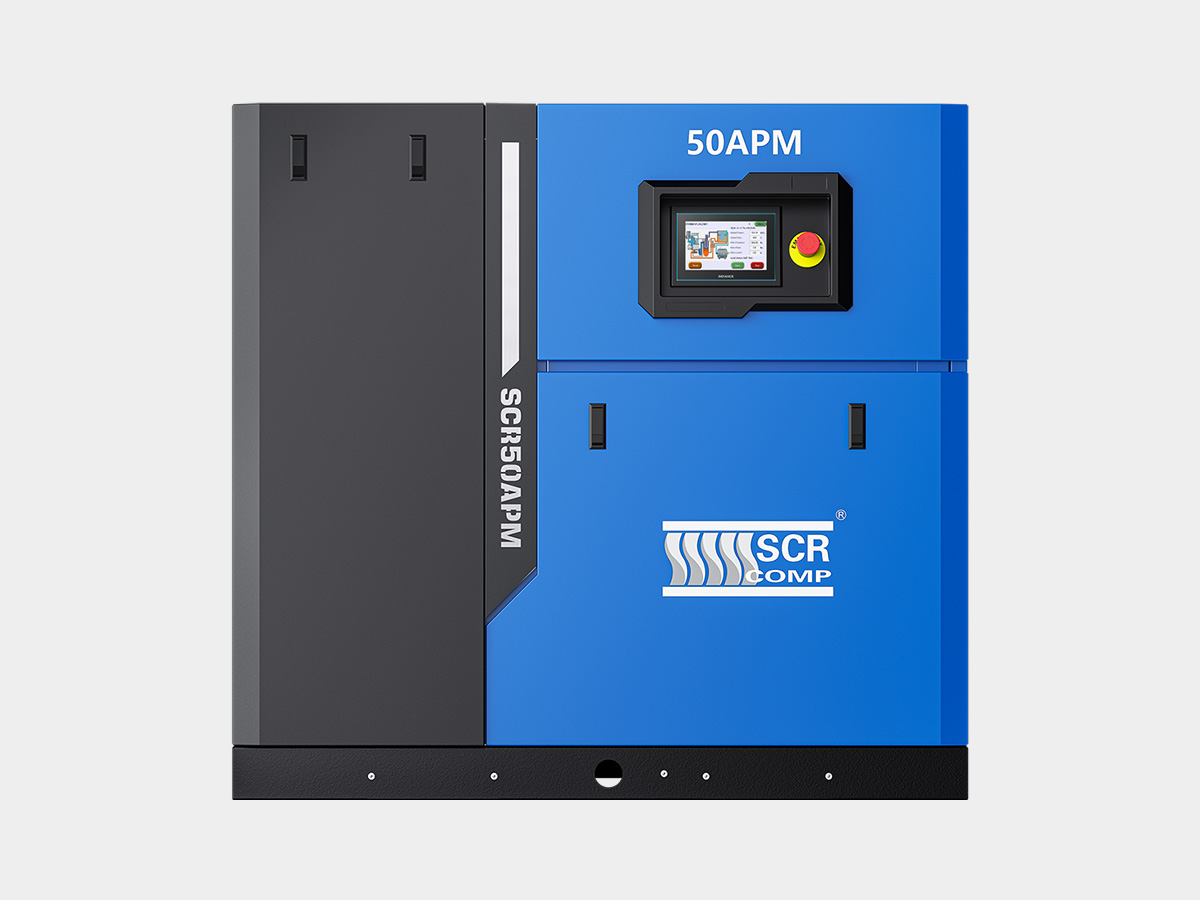 Permanent Magnetic VSD Screw air compressor APM s
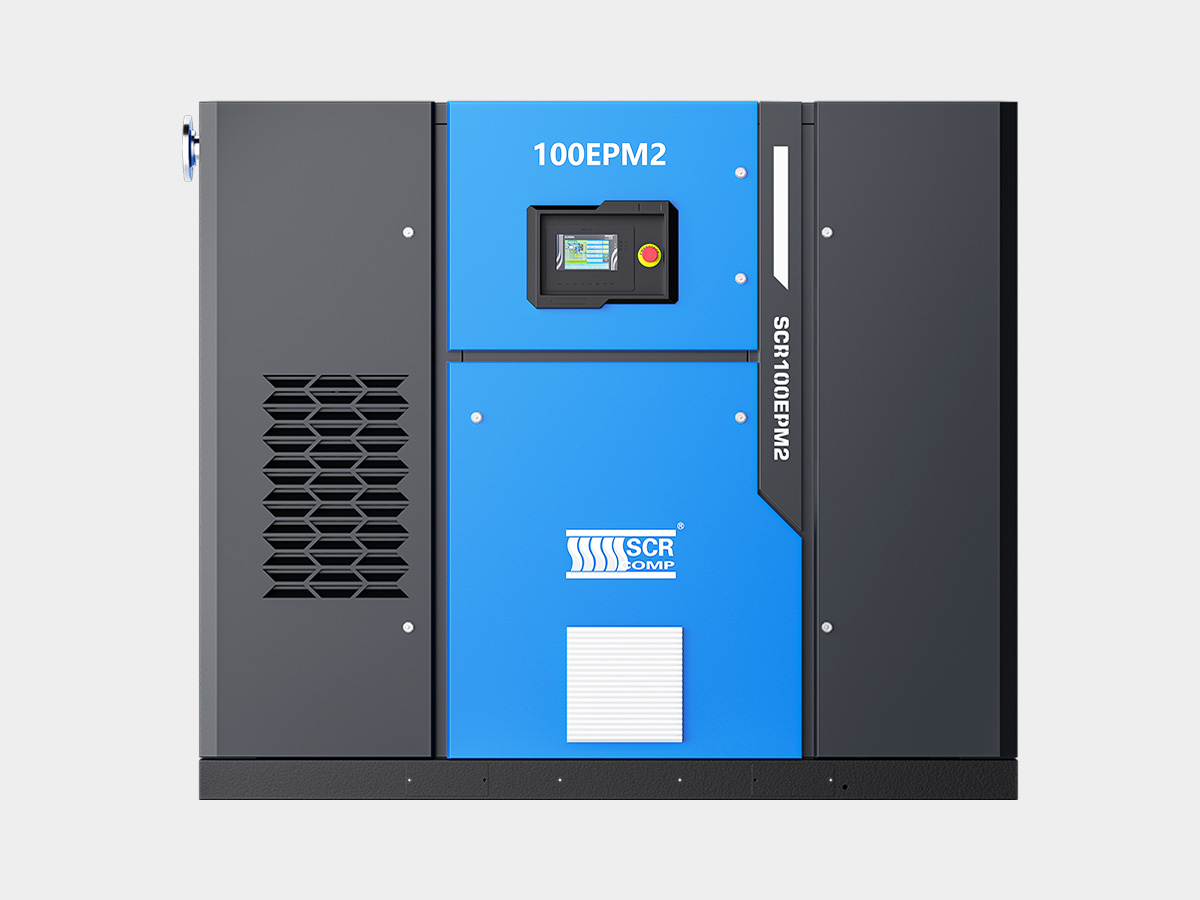 Permanent Magnetic VSD Screw air compressor EPM/E
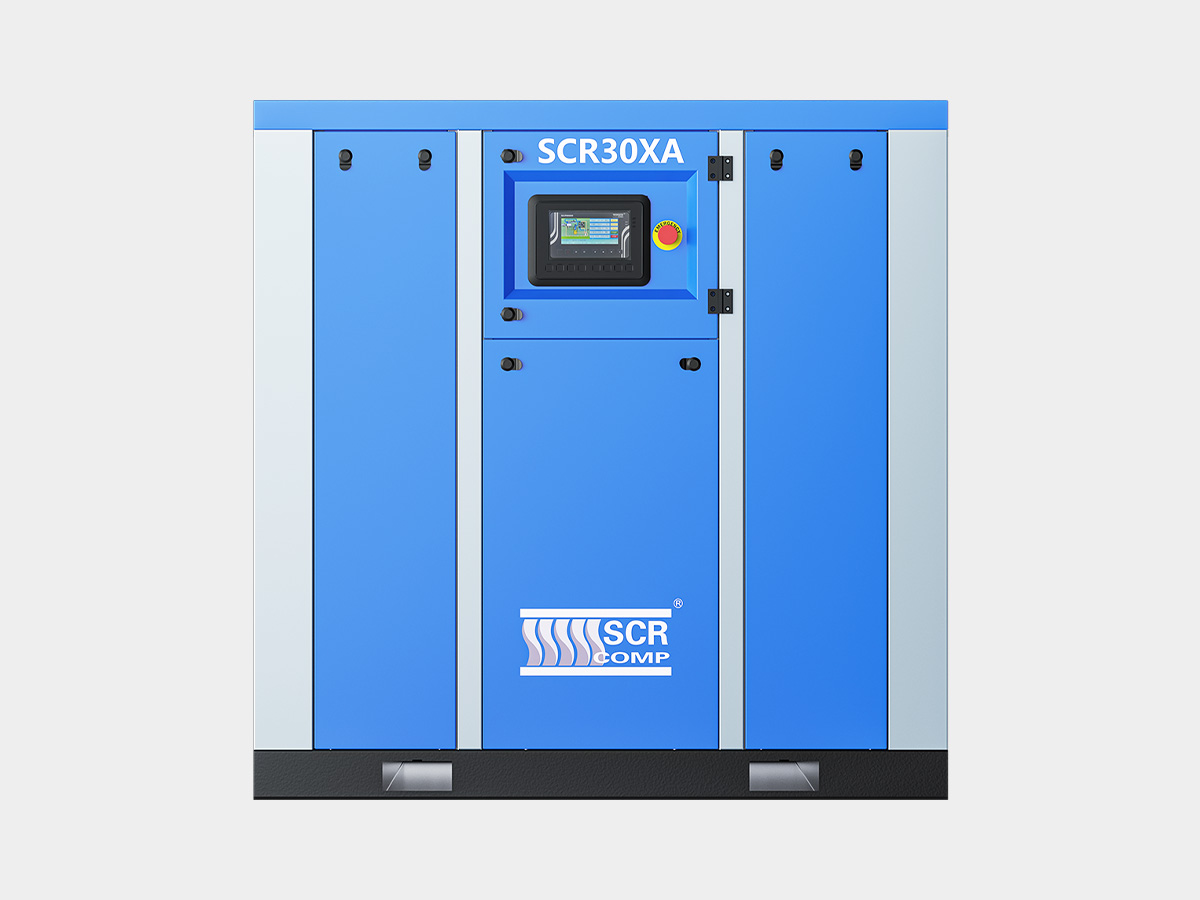 Oil Free Scroll Compressor XA series
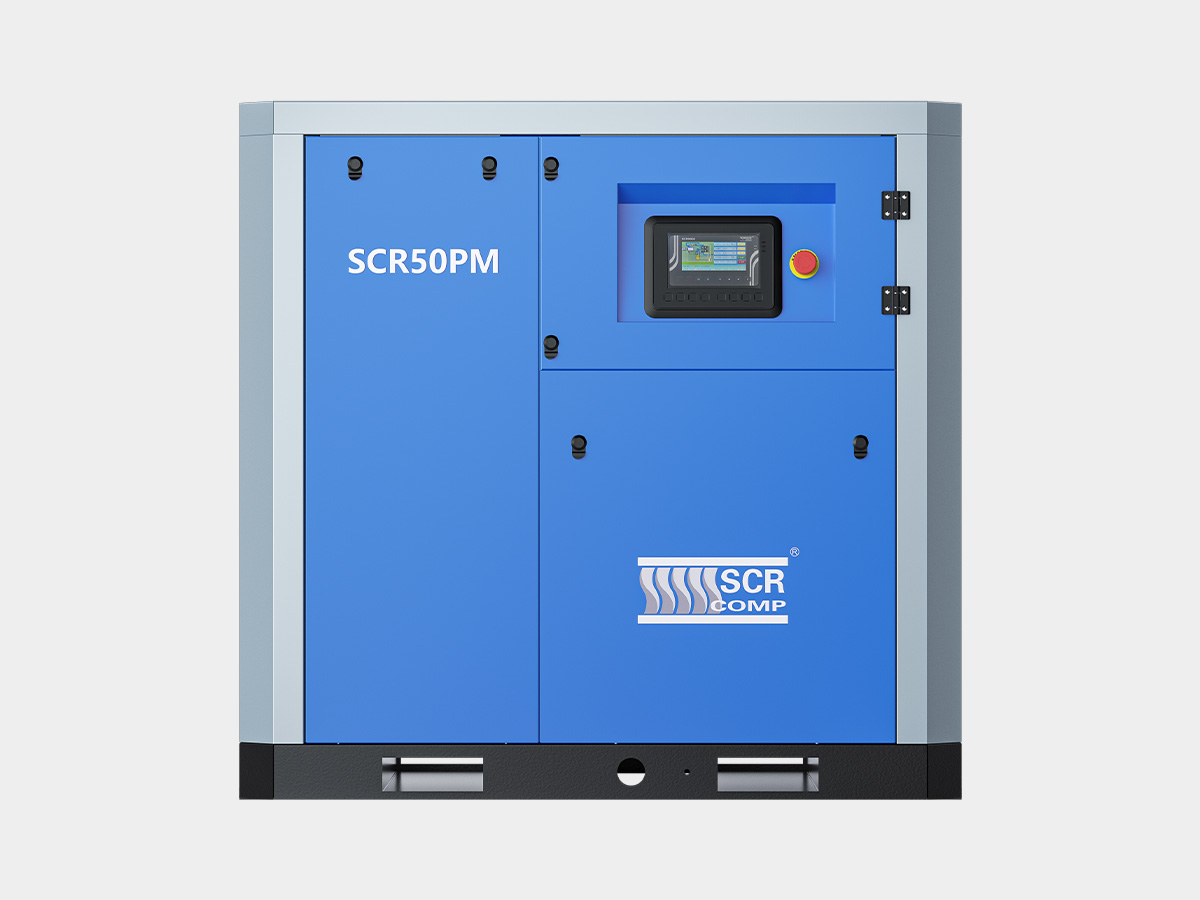 Permanent Magnetic VSD Screw air compressor PM se