What is the Best Industrial Air Compressor? A Guide to Choosing the Right One
When searching for the best industrial air compressor, a common mistake is to look for a single, universally perfect model. The truth is, the best industrial air compressor is the one that precisely matches your specific application, operational demands, and facility requirements. This guide breaks down the key types, selection criteria, and features to help you make an informed investment.
Understanding the Main Types of Industrial Air Compressors
Industrial air compressors primarily fall into two categories: positive displacement and dynamic. Your choice fundamentally starts here.
· How They Work: Use two interlocking helical screws (rotors) to compress air continuously.
· Best For: Continuous operation, high-demand applications, manufacturing plants, and workshops.
· Key Advantages:
-
High Efficiency & Continuous Duty: Designed for 24/7 operation with minimal downtime.
-
Lower Maintenance: Fewer moving parts compared to pistons, leading to reduced wear.
-
Quieter Operation: Enclosed design significantly reduces noise levels.
· Considerations: Higher initial investment; efficiency can drop at partial load (though variable speed drive models solve this).
2. Reciprocating (Piston) Compressors
· How They Work: Use pistons driven by a crankshaft to compress air in a cylinder.
· Best For: Intermittent use, applications with fluctuating demand, smaller shops, and tasks requiring very high pressure.
· Key Advantages:
-
Lower Initial Cost: More affordable upfront purchase price.
-
High Pressure Capability: Can achieve very high pressures (suitable for specialized industrial tasks).
-
Simplicity: Well-understood technology, often easier for in-house maintenance.
· Considerations: Not designed for 100% duty cycle; louder operation; higher long-term maintenance due to more wearable parts.
· How They Work: Use a high-speed impeller to accelerate air, which is then diffused to create pressure.
· Best For: Extremely large-volume applications, massive manufacturing facilities, petrochemical plants, and aerospace.
· Key Advantages:
-
Massive Airflow: Delivers very high volumes (CFM) of oil-free air.
-
High Efficiency at Full Load: Excellent for large, steady demands.
-
Compact for Capacity: Delivers more CFM per footprint than other types at scale.
· Considerations: Very high capital cost; poor efficiency at partial loads; complex maintenance requiring specialists.
Key Factors to Determine "The Best" For Your Needs
To find your ideal compressor, analyze these critical parameters:
1.
Air Demand (CFM & PSI): This is the most crucial factor.
2.
-
CFM (Cubic Feet per Minute): Calculate the total CFM required by all tools and processes operating simultaneously, plus a 25-30% safety margin for future growth and line losses.
-
PSI (Pounds per Square Inch): Identify the highest pressure any connected equipment needs, typically between 90-150 PSI for most industrial tools.
3.
Duty Cycle: How continuously will the compressor run?
4.
-
Intermittent (e.g., 60%): A reciprocating compressor may suffice.
-
Continuous (100%): A rotary screw or centrifugal compressor is mandatory.
5.
Air Quality Requirements: Does your process need oil-free air?
6.
-
Oil-Injected: Standard for general manufacturing, painting, and assembly. More efficient and cost-effective.
-
Oil-Free: Essential for food & beverage, pharmaceuticals, electronics, and medical air. Prevents contamination risk.
7.
Power Source: What is available in your facility?
8.
-
Electric: Most common, requires correct voltage (e.g., 230V, 460V 3-phase).
-
Diesel/Gasoline: For remote job sites, mining, or construction without grid access.
9.
Space & Environment:
10.
-
Space Constraints: Compact rotary screw packages are ideal for tight spaces.
-
Ventilation: Compressors need adequate cooling air. Consider a stationary vs. portable unit.
11.
Total Cost of Ownership (TCO): Look beyond the sticker price.
12.
-
Energy Consumption: Accounts for ~80% of a compressor's lifetime cost. Variable Speed Drive (VSD) compressors can drastically reduce energy use by matching output to demand.
-
Maintenance Costs & Ease: Factor in filter, oil, and part replacement costs and intervals.
-
Reliability & Downtime Cost: A more reliable unit prevents costly production stoppages.
Top Application-Based Recommendations
-
For a General Machine Shop/Manufacturing Plant: A Rotary Screw Compressor (oil-injected or oil-free) is often the best all-around workhorse due to its durability and continuous duty capability.
-
For a Small Auto Body Shop with Intermittent Use: A two-stage Reciprocating Compressor can provide the high pressure needed for painting and tools at a lower initial cost.
-
For a Large Food & Beverage Processing Plant: A Centrifugal Compressor or multiple Oil-Free Rotary Screw Compressors with VSD would be necessary to meet large, clean air demands efficiently.
-
For a Construction Site with No Power: A portable Diesel-Powered Rotary Screw Compressor provides the necessary power and mobility.Essential Features for a Modern "Best-in-Class" CompressorRegardless of type, the best industrial compressors today include:
-
Energy-Saving Controls: VSD is the gold standard for variable demand.
-
Integrated Dryer & Filtration: Ensures clean, dry air right at the point of compression.
-
Heat Recovery Systems: Capture waste heat for water or space heating, boosting overall efficiency to over 90%.
-
·Remote Monitoring (IoT): Allows for predictive maintenance, energy tracking, and remote control, minimizing unplanned downtime.
Conclusion: There is No Single "Best"—Only the "Best Fit"
The search for the best industrial air compressor is a process of matching technical specifications to your operational reality. By carefully assessing your air demand (CFM/PSI), duty cycle, air quality needs, and total cost of ownership, you can narrow the field. For most modern industrial applications requiring reliability and efficiency, a well-sized rotary screw compressor with VSD technology represents the optimal balance of performance and cost-effectiveness. Always consult with a qualified compressed air specialist to conduct an air audit—this data-driven approach is the surest path to selecting the true best compressor for your business.


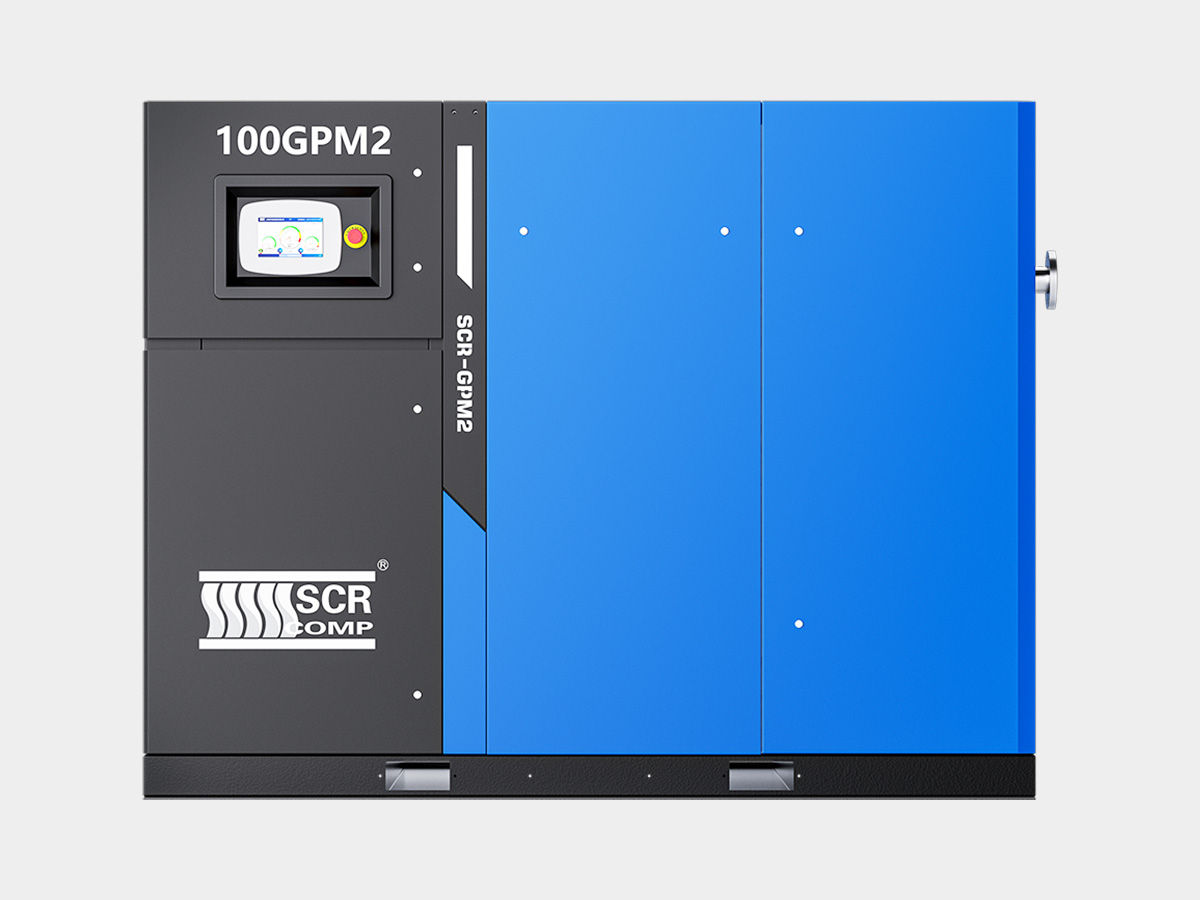 High speed direct drive twin screw oil-free air c
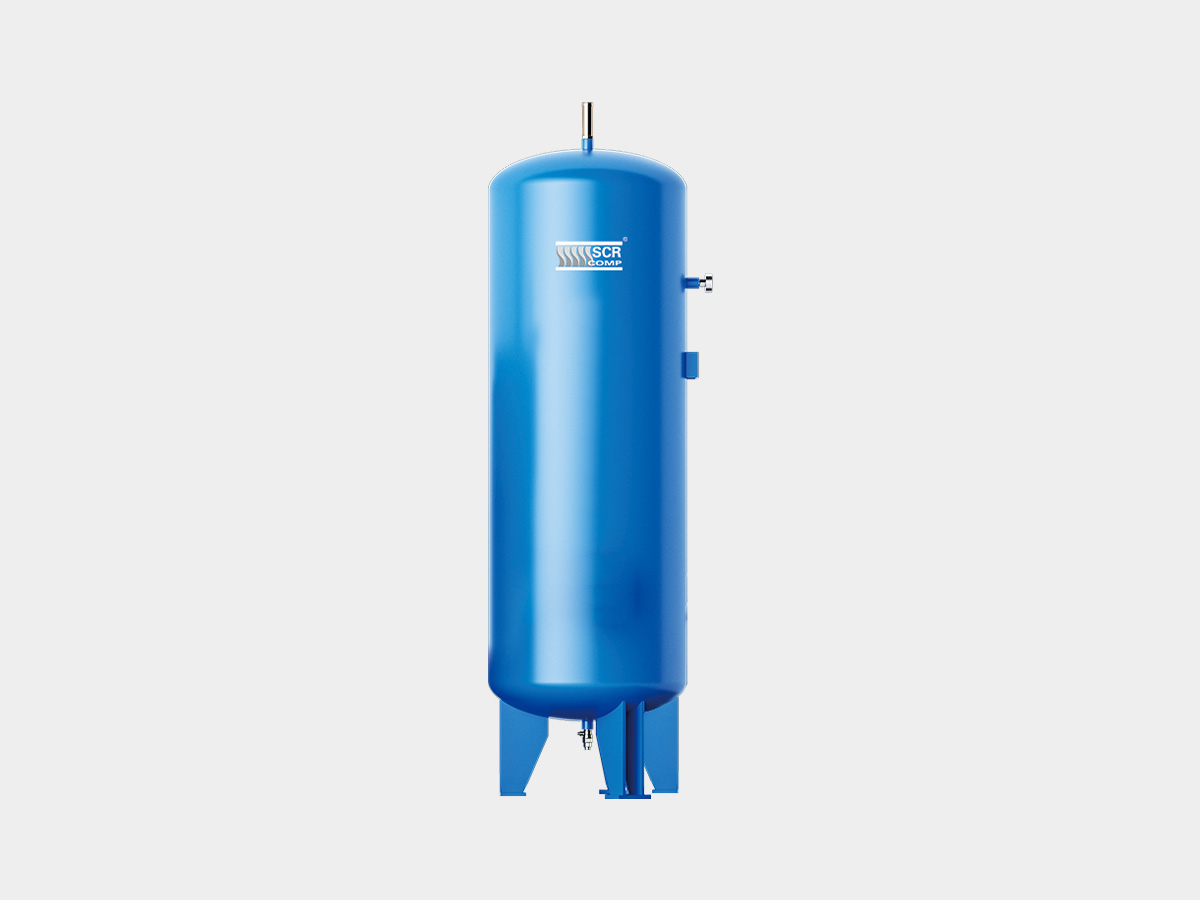 Air Tank
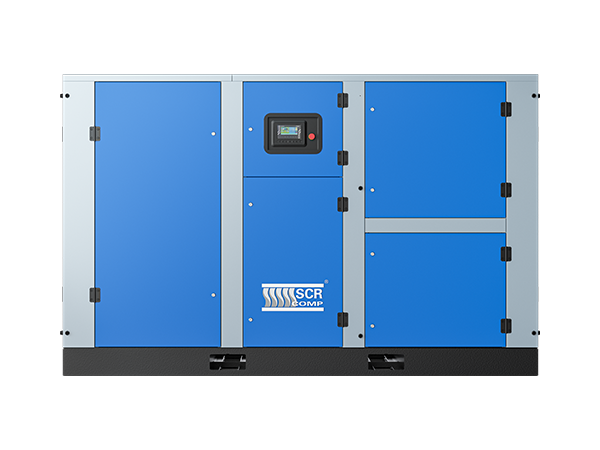 Low pressure Permannent Magnetic VSD screw air c
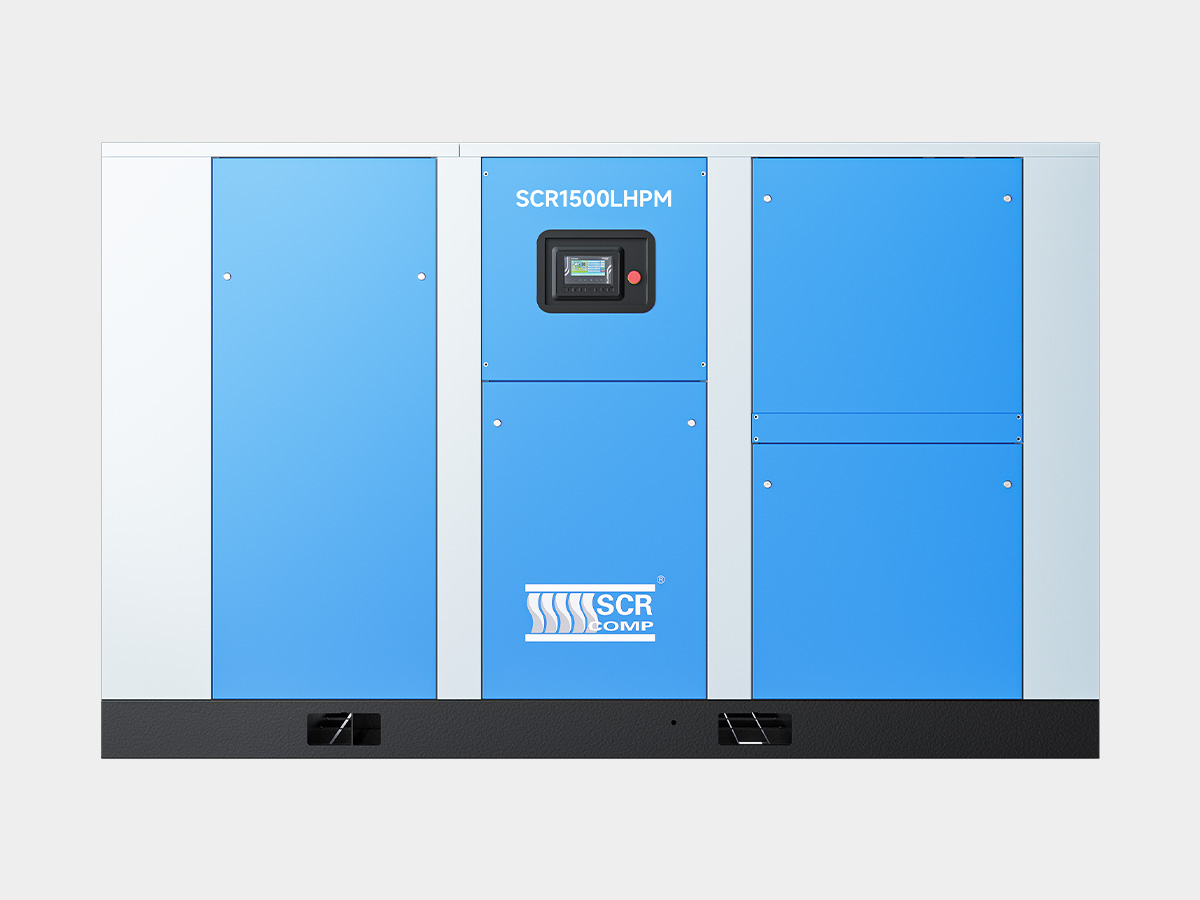 low pressure Two stages screw compressor LH/LHPM
 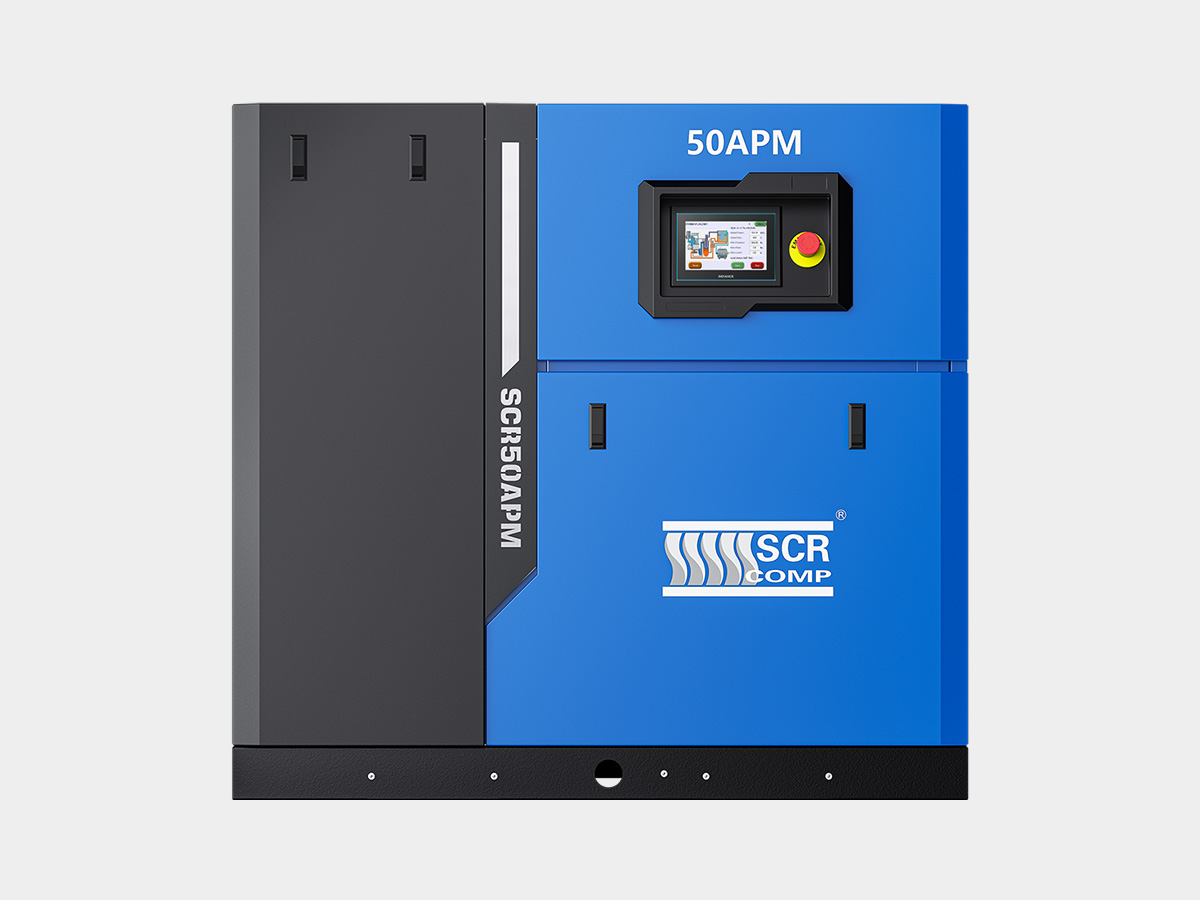 Permanent Magnetic VSD Screw air compressor APM s
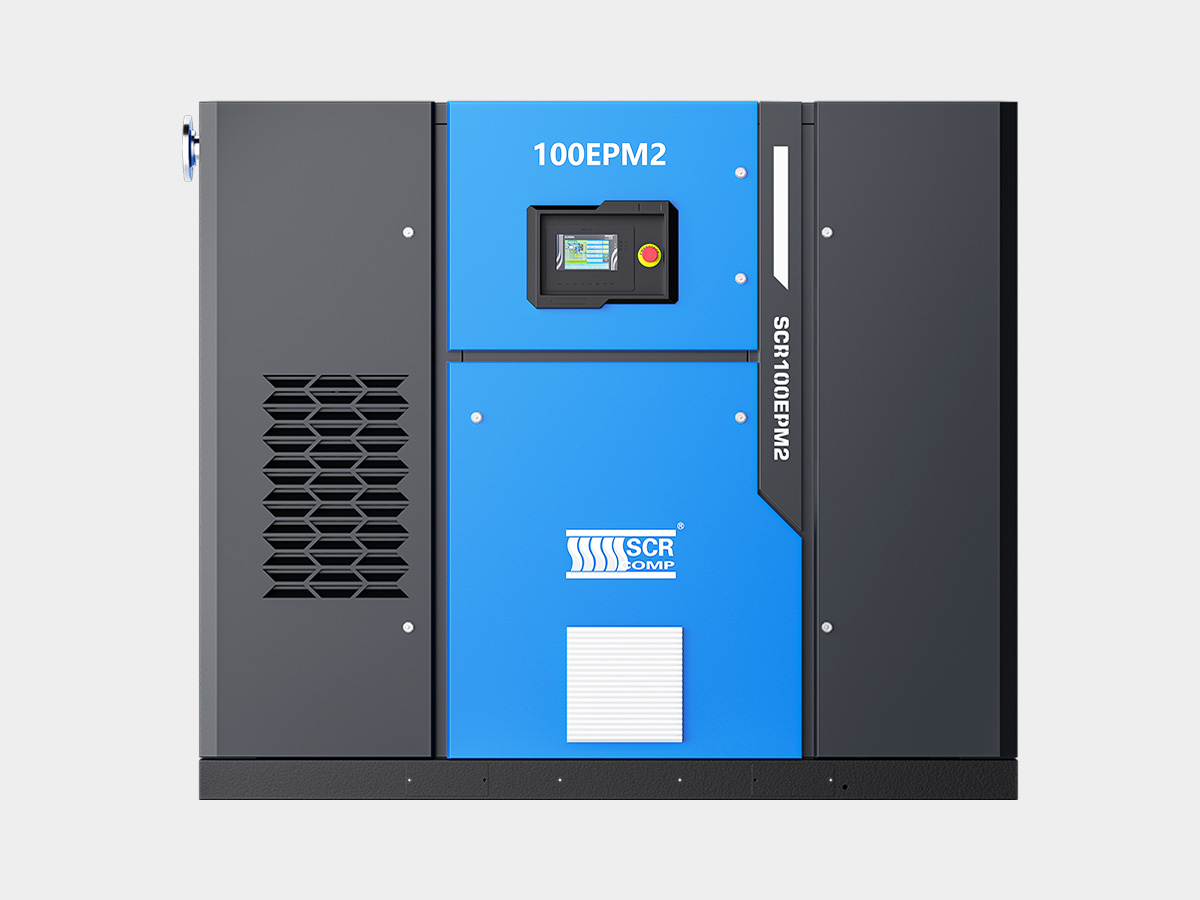 Permanent Magnetic VSD Screw air compressor EPM/E
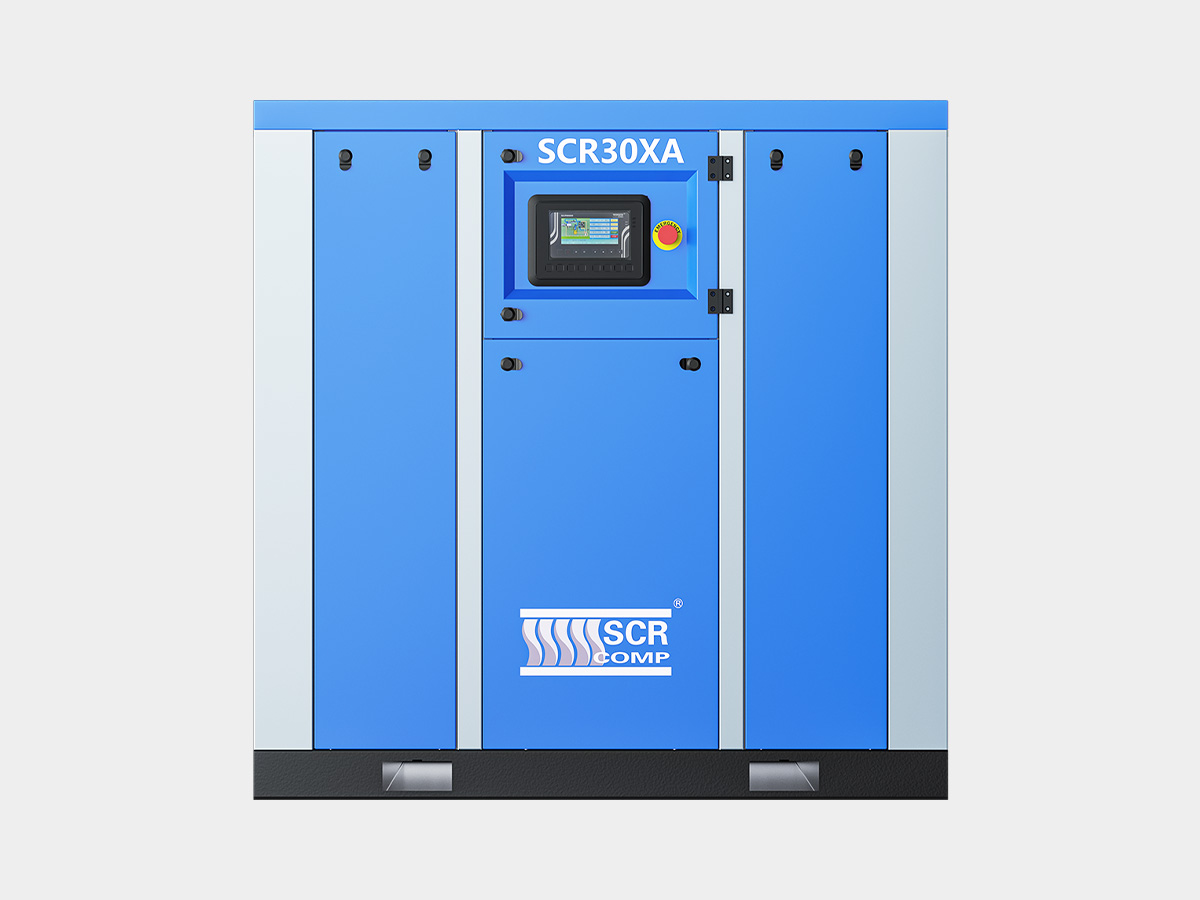 Oil Free Scroll Compressor XA series
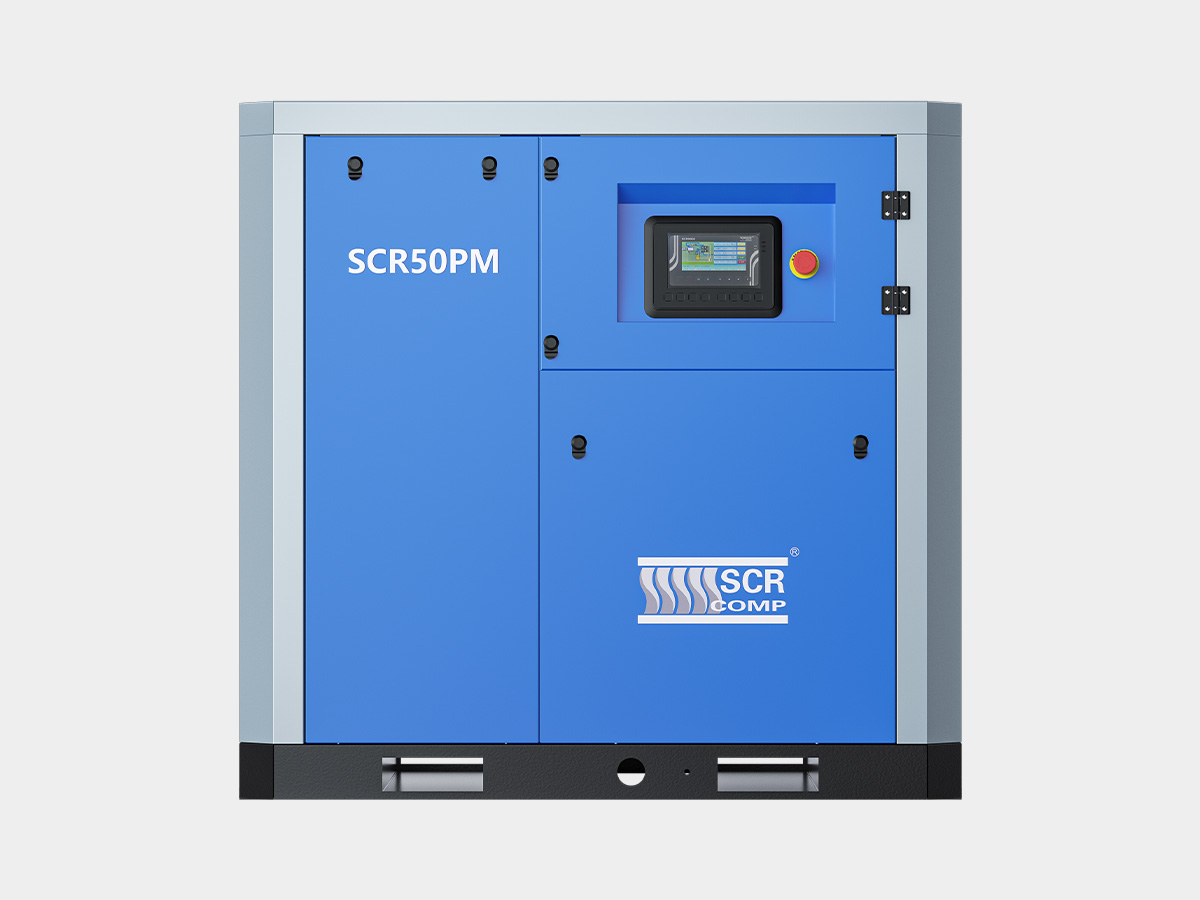 Permanent Magnetic VSD Screw air compressor PM se