Do Screw Compressors Need an Air Tank? Essential Insights for Your System
When designing or optimizing a compressed air system, a fundamental question arises: Is an air tank (receiver) necessary for a screw compressor? While rotary screw compressors can technically operate without a storage tank, doing so often compromises efficiency, stability, and equipment longevity. This article explores the critical role of air receivers, providing a clear analysis of their benefits and guidelines for proper integration.
The Short Answer: It's Highly Recommended
Technically, a screw compressor can run without a tank. However, for almost all industrial, commercial, and serious DIY applications, an air receiver is a vital component for a reliable and efficient system. It acts not as part of the compression mechanism but as a crucial buffer and storage vessel between the compressor and the point of use.
5 Key Reasons You Need a Tank with Your Screw Compressor
1. Stabilizes System Pressure and Reduces Compressor Cycling
An air tank absorbs sudden demand surges (like when multiple tools activate) and prevents rapid pressure drops. This stabilization minimizes the frequency of the compressor's load/unload cycles or modulation. For fixed-speed (constant-speed) compressors, this is critical to prevent excessive motor starts that cause wear, heat buildup, and energy waste.
2. Improves Energy Efficiency and Lowers Costs
Compressors are most efficient and consume less energy per unit of air produced during longer, steady run cycles. A tank allows the compressor to operate in longer on/off bursts rather than short, frequent cycles. This can lead to significant energy savings, often between 10-20%, by reducing "off-load" or idle running time.
3. Provides Backup Air Supply
The tank serves as a reservoir of compressed air. This buffer can temporarily supply tools during a compressor shutdown for maintenance or handle unexpected peak demands that exceed the compressor's immediate output capacity, ensuring production continuity.
4. Cools Air and Separates Condensate
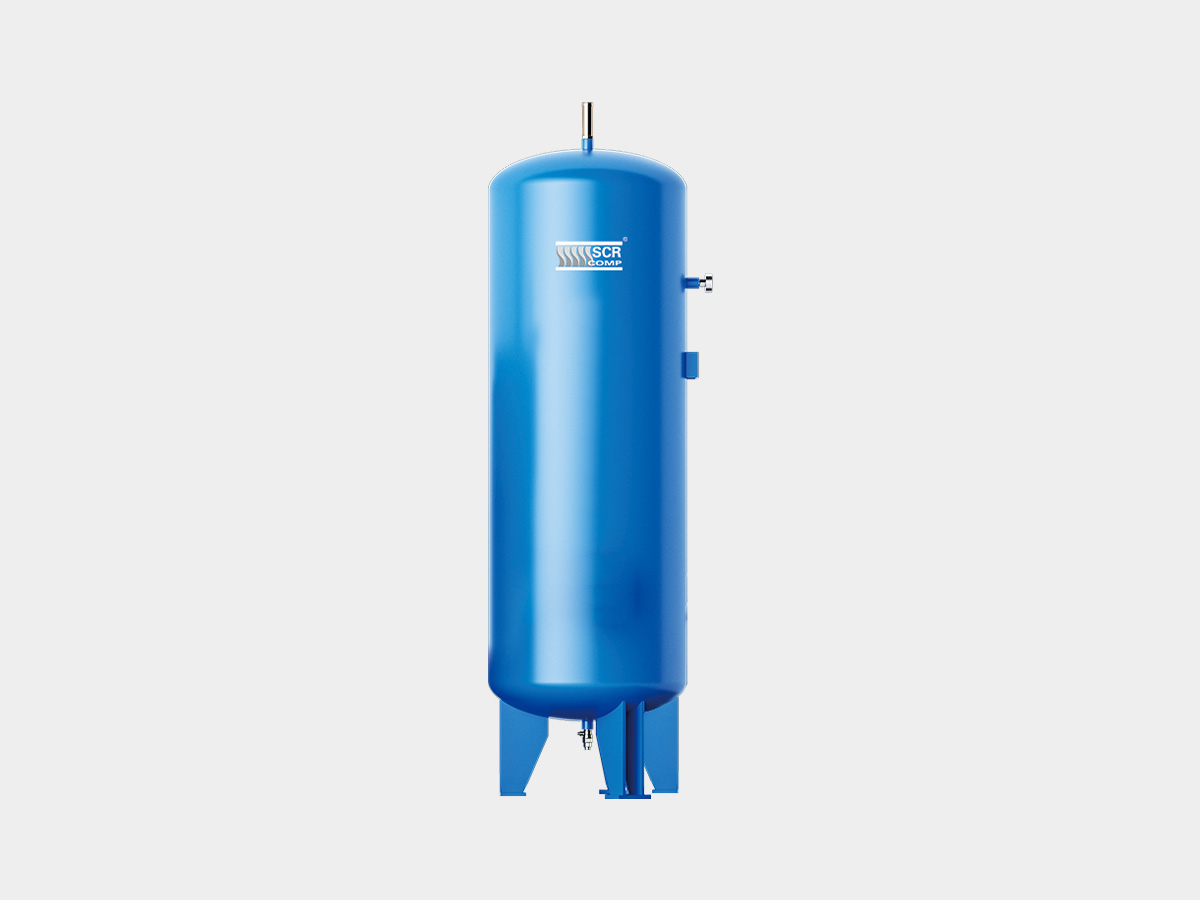
As hot compressed air enters the tank, it slows down and cools. This cooling causes water vapor and oil aerosols to condense into liquid, which collects at the tank bottom. A properly maintained drain valve removes this condensate, improving air quality and reducing the load on downstream dryers and filters.
5. Extends Equipment Life
By reducing the number of compressor cycles and starts/stops, the air receiver decreases mechanical stress on the compressor's motor, rotors, and bearings. This directly contributes to longer service life and lower maintenance costs for the entire system.
When Might a Tank Be Optional?
In very few, specific scenarios, a dedicated tank might be foregone:
· Extremely Small, Continuous, and Steady Demand: Applications with a perfectly constant air flow that matches the compressor's output.
· Space-Critical Mobile Units: Some vehicle-mounted or highly portable compressors have minimal integrated storage.
· Advanced Variable Speed Drive (VSD) Systems: While a small buffer tank is still almost always recommended, advanced VSD compressors can closely match variable demand. However, even they benefit from a tank's pressure stabilization and condensation separation functions.
Crucial Note: For any application with pulsating or intermittent air use (like most workshops and factories), a tank is essential.
How to Size an Air Receiver Tank: A Simple Guide
Oversizing or undersizing a tank reduces system benefits. A common industry rule of thumb is:
Tank Volume (in gallons) ≈ Compressor Output (CFM) × 5
For example, a 100 CFM compressor would pair well with a 500-gallon tank. Key sizing factors include:
1. Compressor Type: A fixed-speed compressor needs a larger tank than a Variable Speed Drive (VSD) model for the same application.
2. Air Demand Pattern: Greater fluctuations in demand require a larger tank.
3. System Pressure Band: A wider acceptable pressure range (e.g., 120-150 PSI) allows for a smaller tank.
Always comply with local regulations (like ASME in the US) for pressure vessel safety, inspection, and certification.
Conclusion and Final Recommendation
While a screw compressor can function alone, pairing it with a correctly sized air receiver tank is a best-practice investment. It ensures system reliability, maximizes energy efficiency, protects your compressor, and improves air quality.
Actionable Steps:
· For New Systems: Always include a tank in your initial design and budget.
· For Existing Systems: If you experience pressure drops, frequent compressor cycling, or excess moisture, adding or upsizing your tank is a cost-effective upgrade.
· Consult an Expert: Work with a compressed air specialist to analyze your demand profile and specify the optimal tank size and system layout.
Frequently Asked Questions (FAQ)
Q: Where should the tank be installed in the system? A: Ideally, install it after the compressor and aftercooler, but before the air dryer. This position maximizes its cooling and moisture separation benefits.
Q: Is a bigger air tank always better? A: Not necessarily. An oversized tank increases cost, space requirements, and the time needed to initially pressurize the system. Proper sizing is key.
Q: What maintenance does an air tank require? A: The most critical task is daily draining of accumulated condensate via the drain valve (automated drains are highly recommended). Regular visual inspections and periodic safety checks per local pressure vessel codes are mandatory.
Q: Do Variable Speed Drive (VSD) compressors need a tank? A: Yes. While a VSD compressor can modulate output, a tank still provides essential pressure stabilization, acts as a condensate separator, and offers a reserve for instantaneous peaks that may exceed the compressor's maximum flow rate.


 High speed direct drive twin screw oil-free air c
 Air Tank
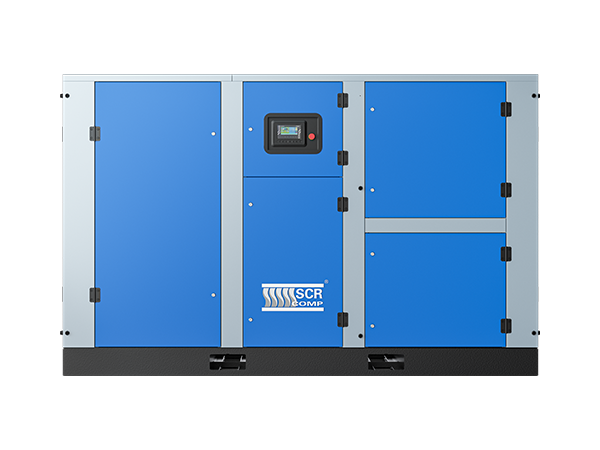 Low pressure Permannent Magnetic VSD screw air c
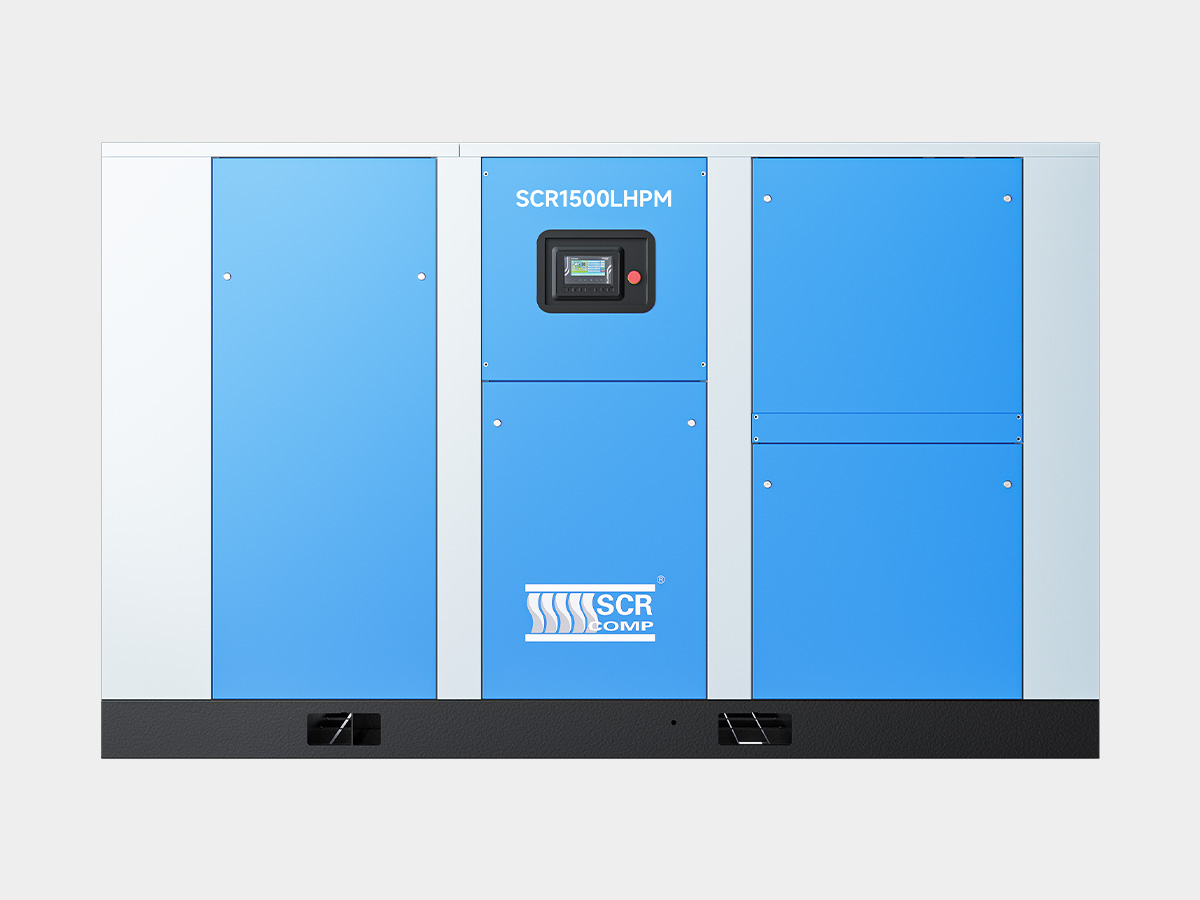 low pressure Two stages screw compressor LH/LHPM
 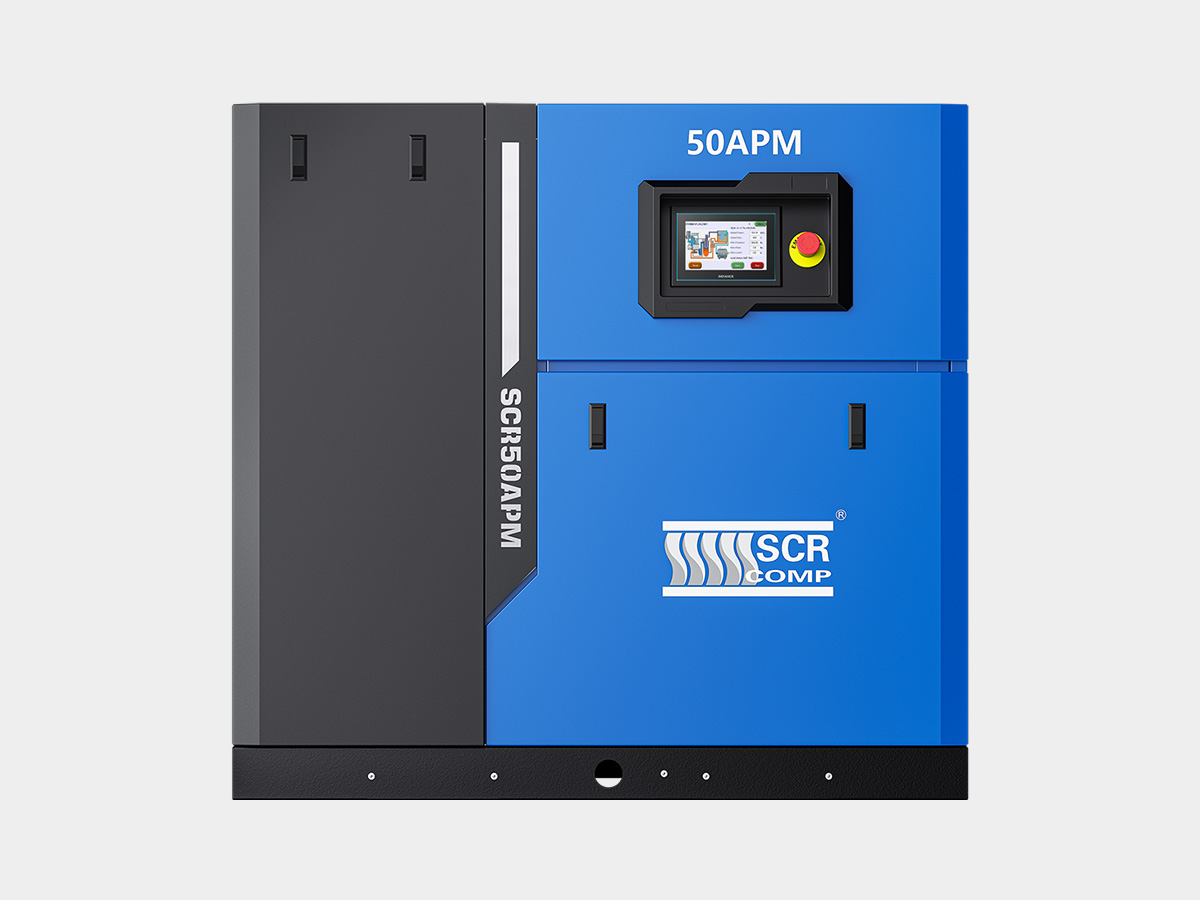 Permanent Magnetic VSD Screw air compressor APM s
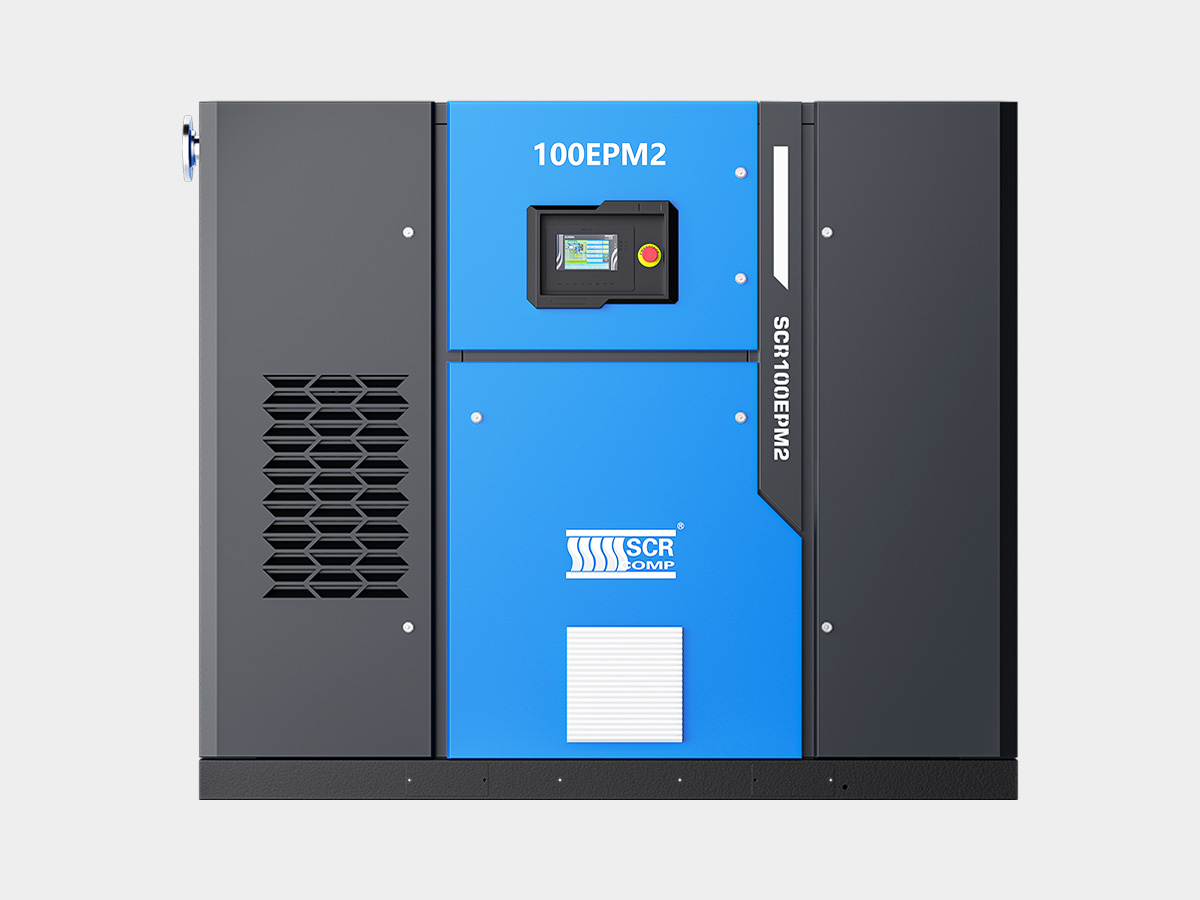 Permanent Magnetic VSD Screw air compressor EPM/E
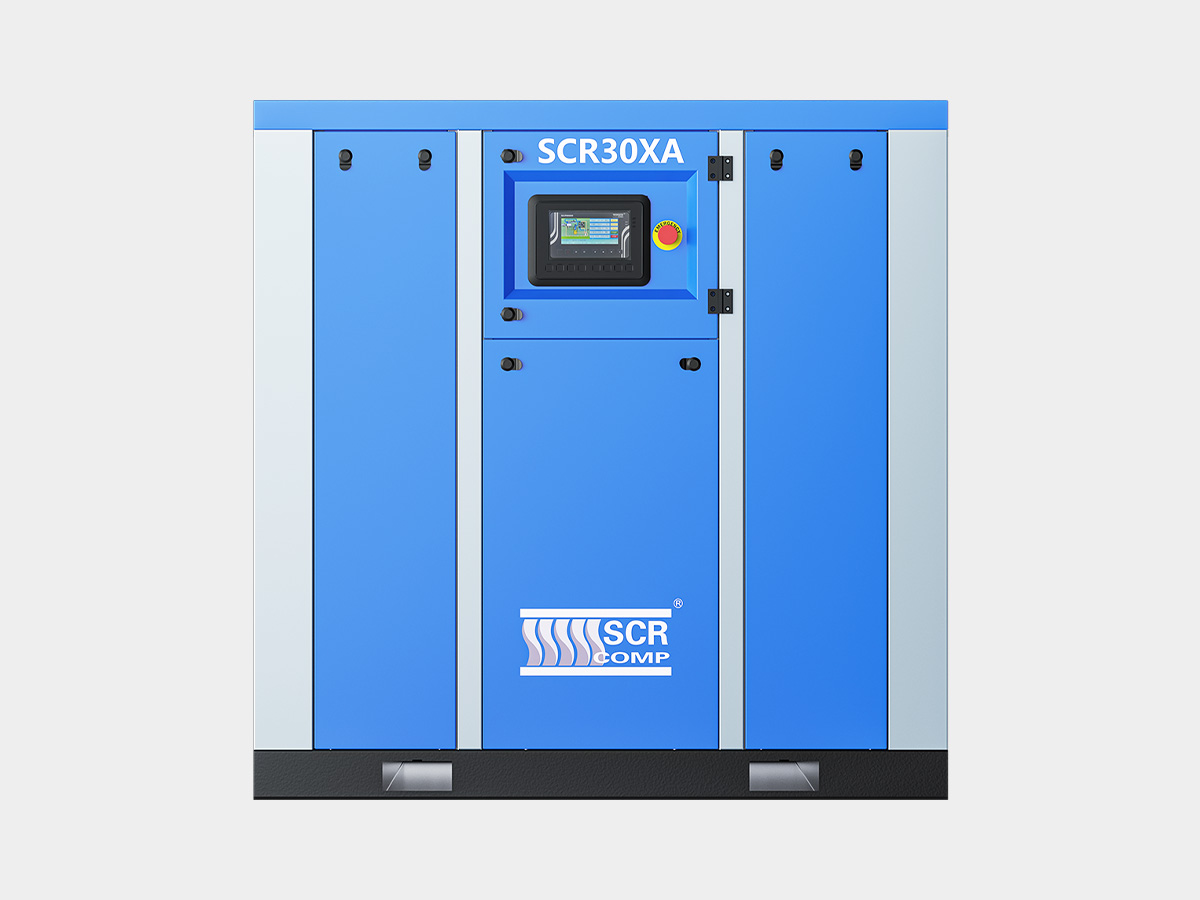 Oil Free Scroll Compressor XA series
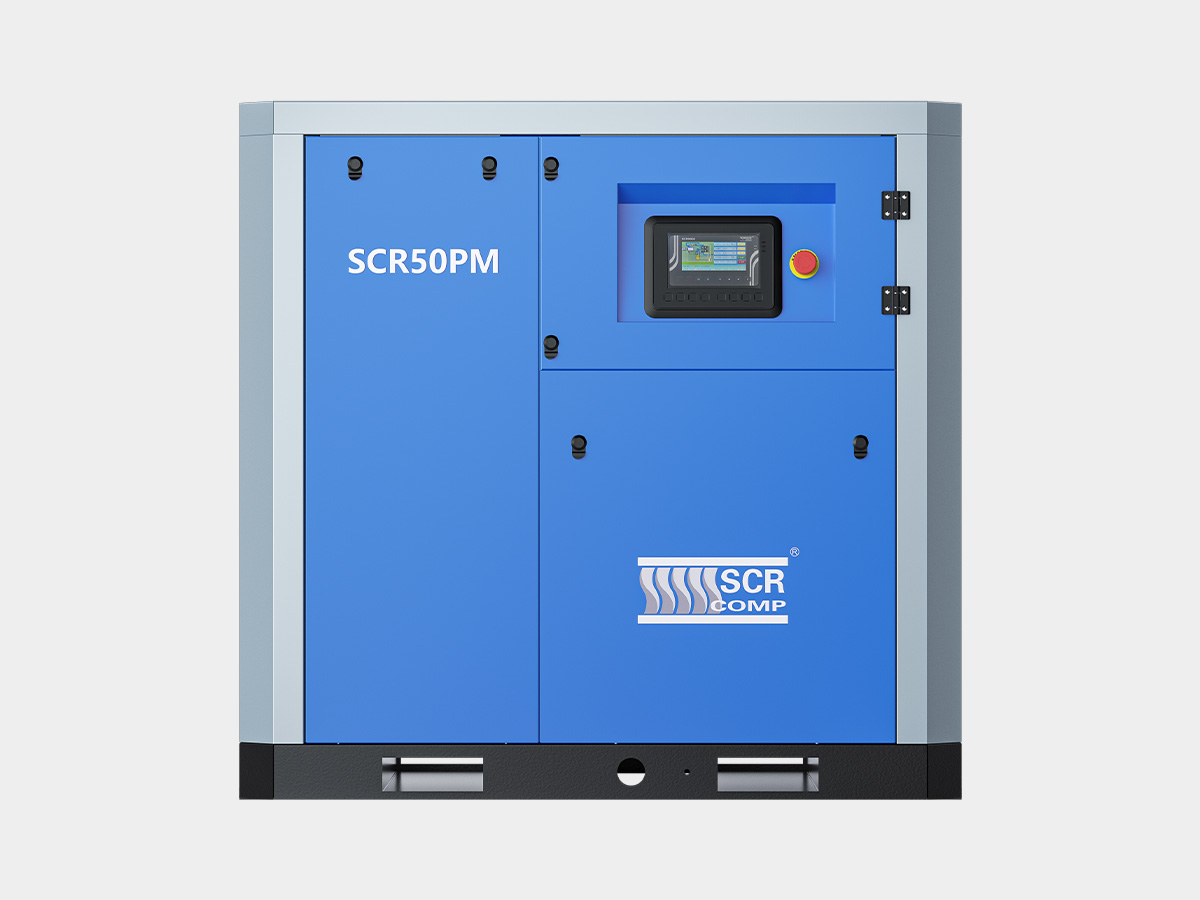 Permanent Magnetic VSD Screw air compressor PM se