How to Boost Compressed Air Pressure: A Practical Guide
Is your compressor not reaching the required PSI? Learn how to boost compressed air pressure effectively. We cover diagnosis, system adjustments, and hardware solutions to restore performance.
Introduction
Compressed air is the lifeblood of countless industrial and workshop applications. From powering pneumatic tools to operating complex machinery, consistent and adequate air pressure is non-negotiable. When your system's pressure drops, it leads to reduced efficiency, tool failure, and production delays.
If you're asking, "How can I boost my compressed air pressure?" you've come to the right place. This comprehensive guide will walk you through the steps to diagnose low pressure issues and provide effective solutions, from simple adjustments to advanced hardware upgrades.
First, Diagnose the Root Cause of Low Pressure
Before you spend money on new equipment, it's crucial to identify why your pressure is low. Boosting pressure without understanding the cause is like revving a car engine with a flat tire.
Start by asking these key questions:
1. Is the demand higher than the supply? Have you added new equipment or are you using more tools simultaneously?
2. Is the pressure low at the compressor, or only at specific points of use?
3. Are there visible or audible signs of leaks?
A systematic diagnosis will save you time and money. Use a pressure gauge to check the pressure at the compressor's outlet and then at various points in your system to pinpoint the location of the pressure drop.
Effective Ways to Boost Your Compressed Air Pressure
1. Adjust Your Compressor's Pressure Regulator
This is the simplest and first thing you should check. Every compressor has a pressure regulator (usually a knob) that controls the output pressure.
· How to do it: While the compressor is running, turn the knob clockwise to increase the pressure. Refer to your compressor's manual for specific instructions and the machine's maximum allowable pressure. Do not exceed the compressor's rated pressure.
2. Identify and Repair Air Leaks
Air leaks are the single biggest cause of energy waste and pressure loss in a compressed air system. A small leak can significantly impact your system's ability to maintain pressure.
· How to do it: Listen for hissing sounds, especially during quiet periods. Use a soapy water solution (1 part dish soap to 4 parts water) and spray it on connections, hoses, fittings, and valves. Bubbles will form at the site of a leak. Seal these leaks immediately with appropriate thread sealant or by replacing damaged components.
3. Clean or Replace Air Filters
A clogged air filter is like trying to breathe through a straw. It restricts airflow into the compressor, forcing it to work harder and reducing its overall output and pressure.
· How to do it: Consult your manual for the location of the intake air filter. Remove it and hold it up to a light. If you can't see light through it, it's time to clean it (if it's a reusable type) or replace it. This is a simple, low-cost maintenance task with a high return on investment.
4. Optimize Your Piping System
The design and condition of your air distribution piping have a massive impact on end-point pressure. Undersized, corroded, or overly long pipes create friction and pressure drop.
· Solutions:
o Upsize Pipes: If your main lines are too small (e.g., 1/2"), upgrading to 3/4" or 1" pipe can dramatically reduce pressure loss.
o Use Smooth-walled Pipes: Replace old, corroded galvanized steel pipes with aluminum or plastic (like PEX-A) pipes that have a smoother interior, reducing friction.
o Redesign the Layout: A loop system is far more efficient than a dead-end layout, as it provides air from two directions to high-demand points.
5. Check and Service the Pump/Valves (Advanced)
If basic checks don't resolve the issue, the problem may be internal.
· Pump Valves: Over time, the valve plates inside the compressor pump can wear out or get damaged, preventing the pump from building pressure efficiently. This often requires a professional technician to diagnose and repair.
· Unloader Valve: This valve releases pressure from the compressor head when the motor stops. If it's malfunctioning, it can prevent the compressor from starting under load or from reaching full pressure.
When to Consider a Hardware Upgrade
If you've optimized your existing system and pressure is still insufficient, it's time to consider an upgrade.
1. Install a Dedicated Booster Compressor
This is the most direct and powerful solution for boosting pressure. A compressed air booster is a separate machine installed in-line with your existing system. It takes the air from your primary compressor and increases its pressure to a much higher level, often doubling or tripling the input pressure.
· Best for: Applications requiring very high pressure (e.g., 300 PSI and above) or when the primary compressor is otherwise adequate but just needs a "kick" to reach a specific point-of-use requirement.
2. Add a Secondary Air Receiver Tank
Adding a larger or a secondary storage tank (air receiver) gives your compressor a larger reservoir of compressed air to draw from during periods of high demand. While it doesn't increase the compressor's output pressure, it helps maintain system pressure for longer, preventing the compressor from being overwhelmed and causing a pressure drop.
· Best for: Systems with frequent, short bursts of high air demand that cause cyclical pressure dips.
3. Upgrade Your Main Air Compressor
If your system is consistently running at maximum capacity and you've ruled out leaks and restrictions, your compressor may simply be undersized. Upgrading to a larger compressor with a higher CFM (Cubic Feet per Minute) and PSI rating is the ultimate solution.
Conclusion: A Systematic Approach is Key
Boosting compressed air pressure isn't a single-action fix. It requires a systematic approach:
1. Diagnose the problem accurately.
2. Optimize your current system by fixing leaks, cleaning filters, and adjusting settings.
3. Upgrade your hardware as a last resort, with a booster compressor being the most targeted solution for pure pressure increase.
By following these steps, you can ensure your compressed air system delivers the consistent, high pressure your operations depend on, saving energy and boosting productivity.


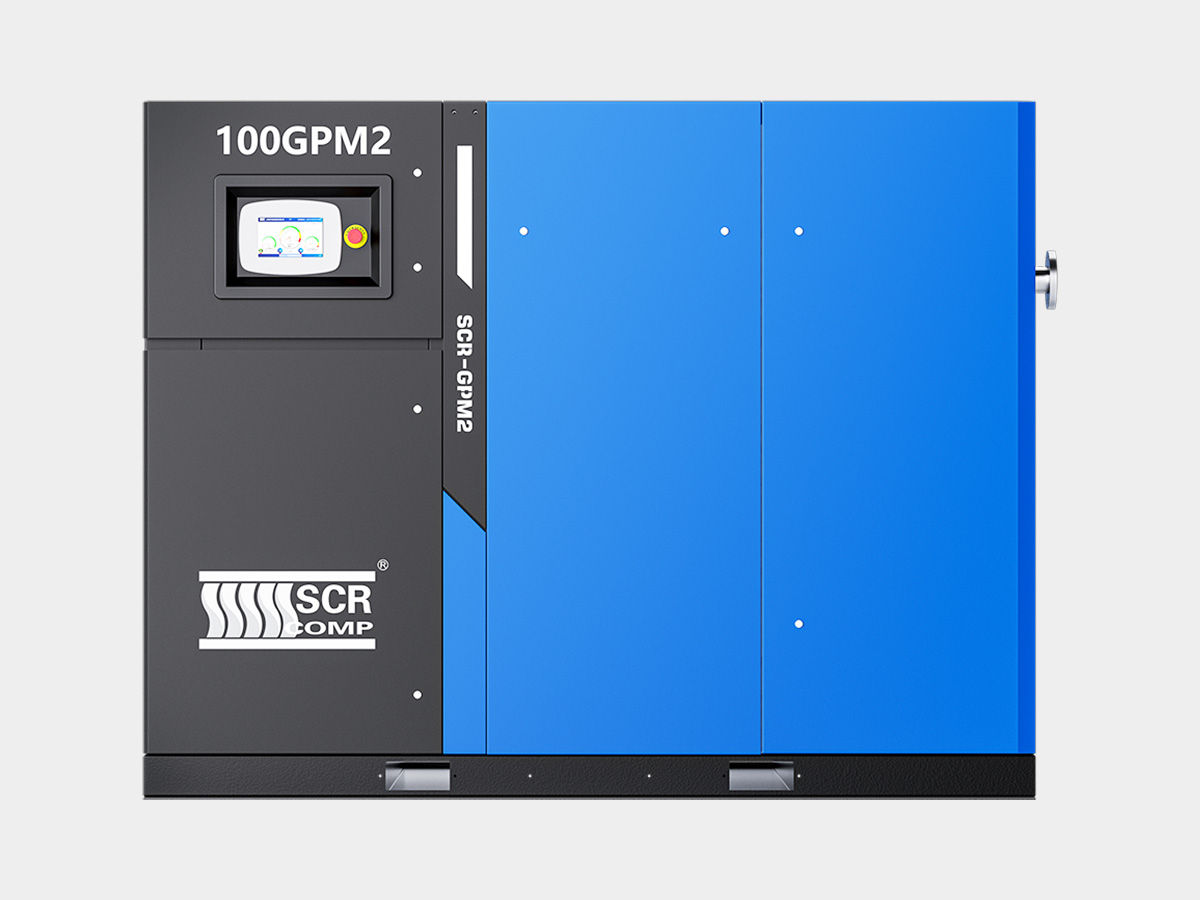 High speed direct drive twin screw oil-free air c
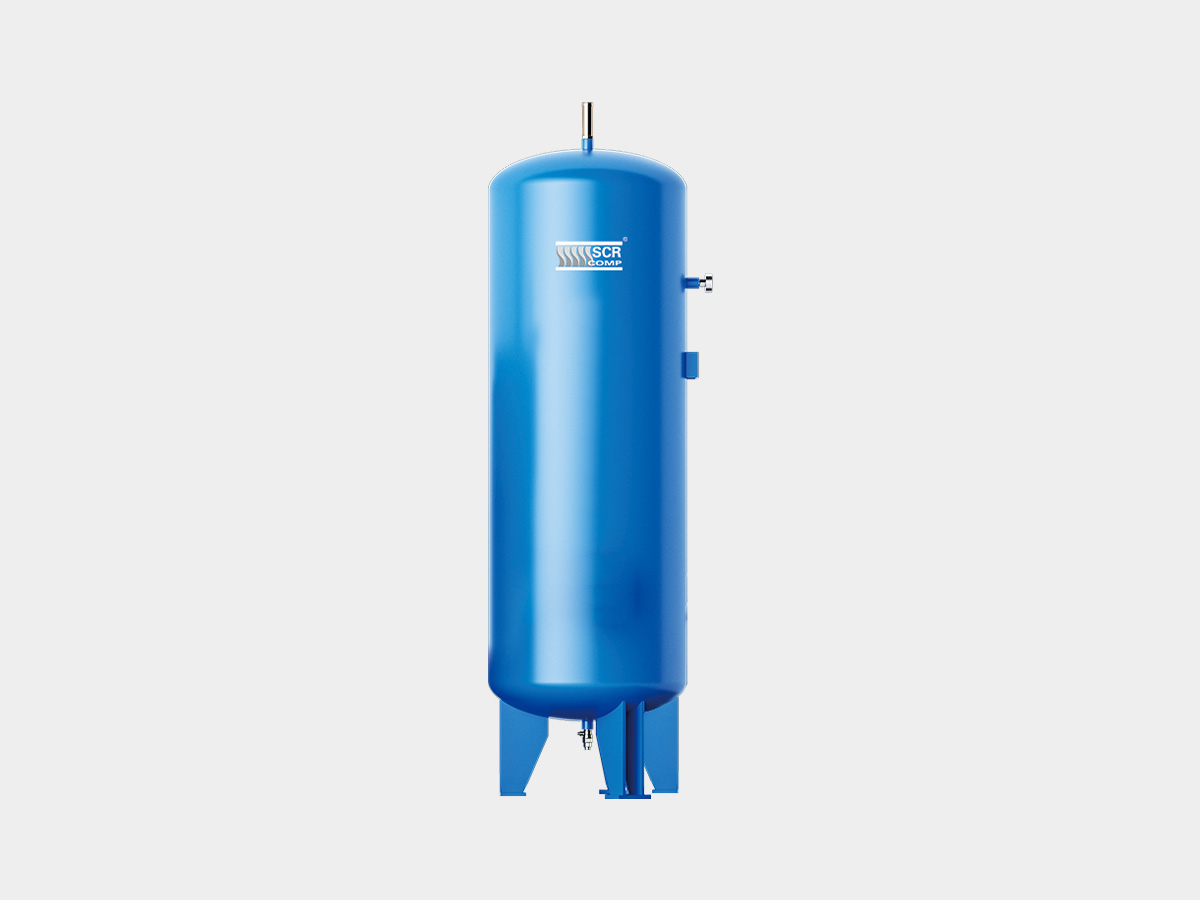 Air Tank
 Low pressure Permannent Magnetic VSD screw air c
 low pressure Two stages screw compressor LH/LHPM
  Permanent Magnetic VSD Screw air compressor APM s
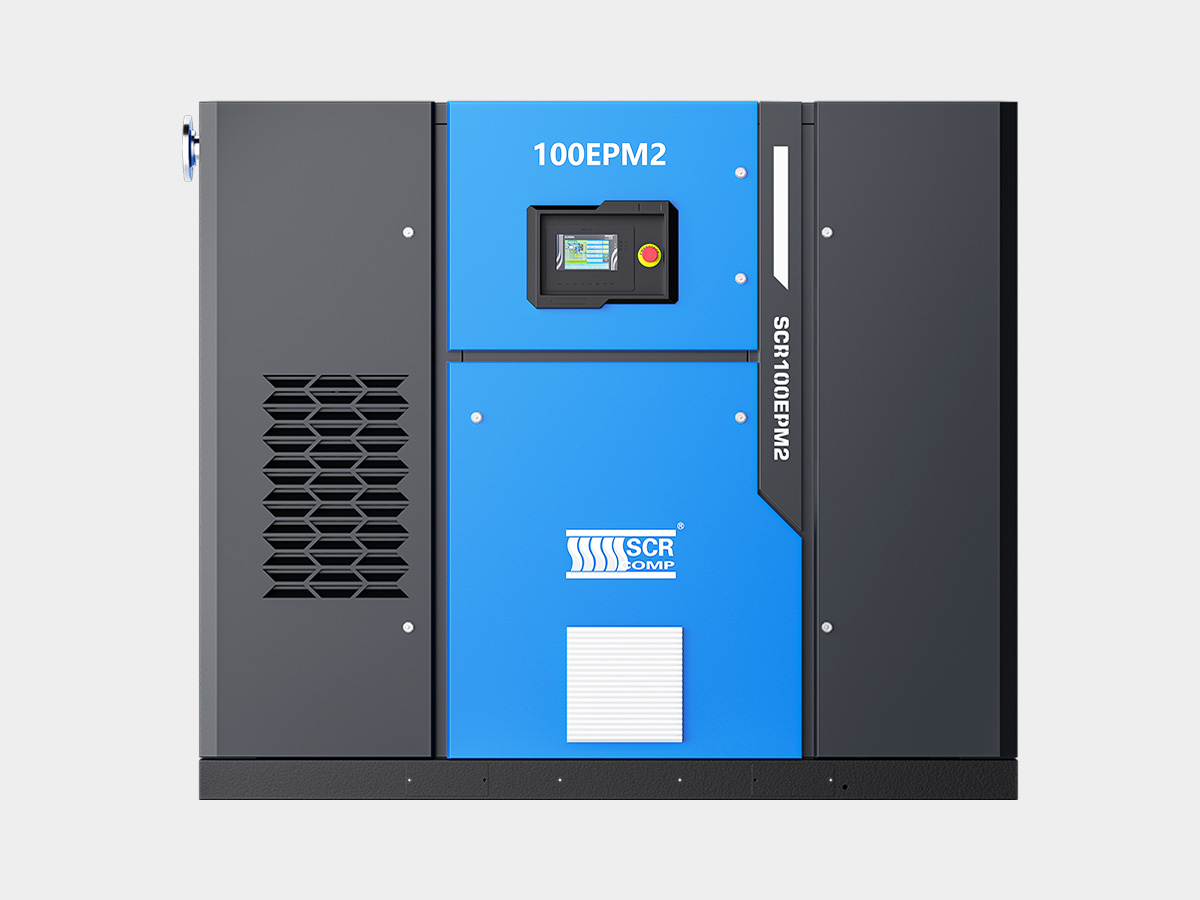 Permanent Magnetic VSD Screw air compressor EPM/E
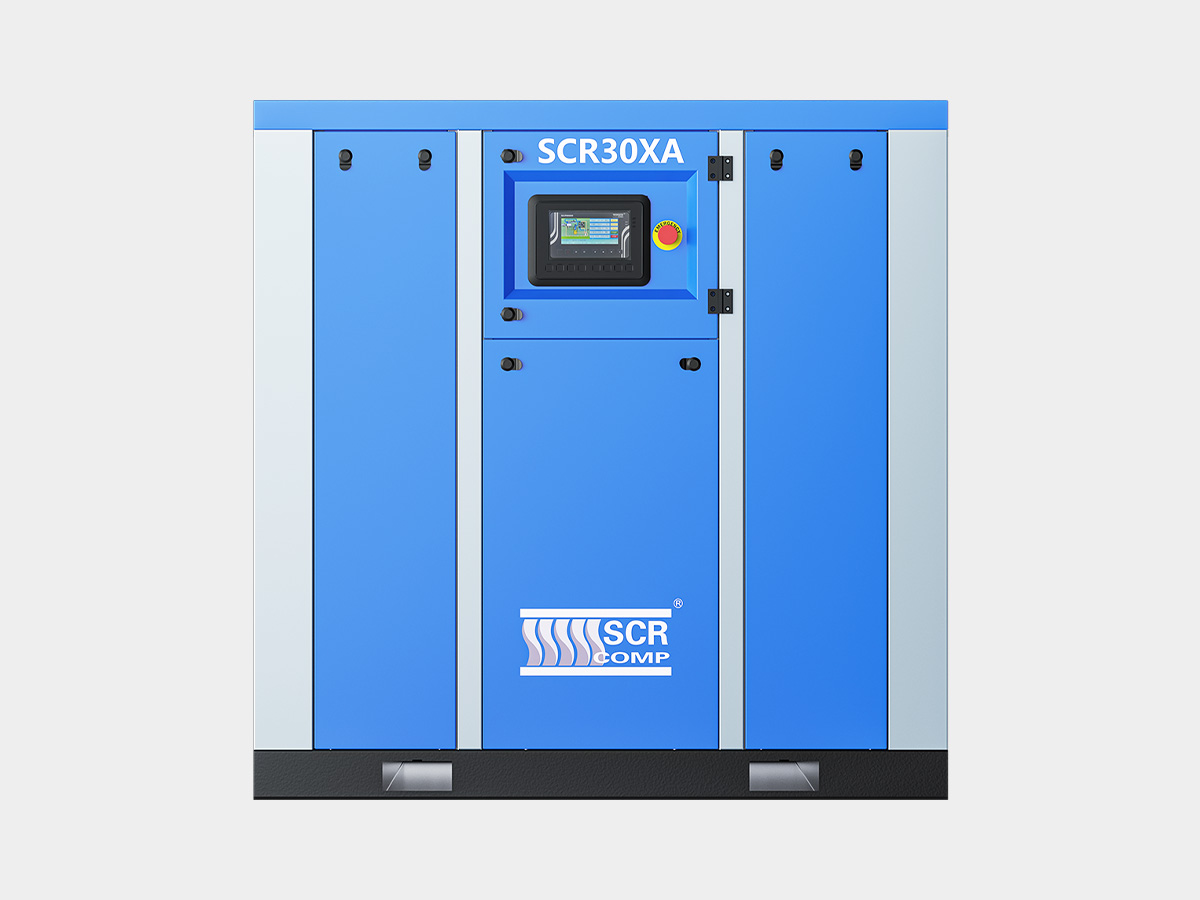 Oil Free Scroll Compressor XA series
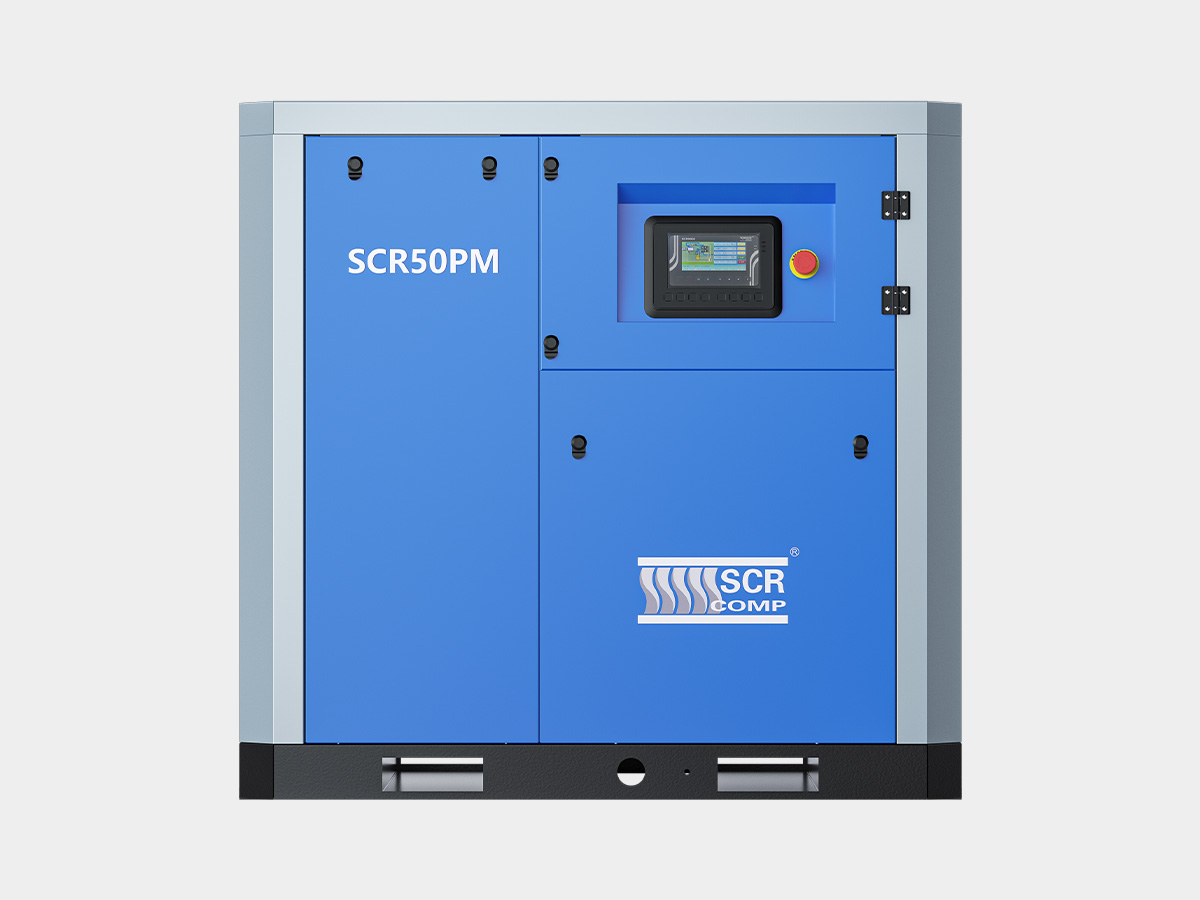 Permanent Magnetic VSD Screw air compressor PM se