Nitrogen Compressor vs. Air Compressor: What’s the Real Difference?
When it comes to industrial machinery, the terms “nitrogen compressor” and “air compressor” are often used, but they are not interchangeable. While both devices increase the pressure of a gas, they are engineered for distinctly different purposes, gases, and operating environments. Choosing the wrong one can lead to inefficiency, equipment failure, and even safety hazards.
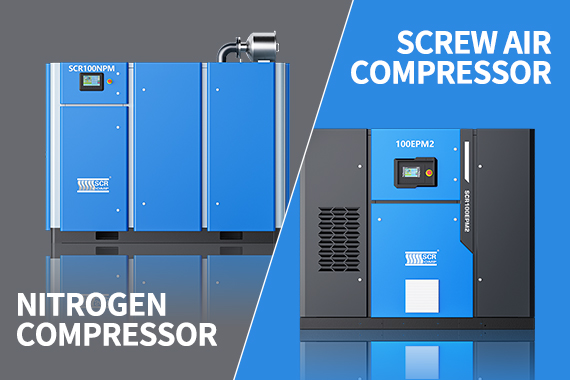
So, what exactly sets them apart? In short, it boils down to the gas they handle: an air compressor is a generalist designed for ambient air, while a nitrogen compressor is a specialist built for pure, dry nitrogen gas.
Let’s dive into the key differences to give you a clear understanding.
The Core Difference: Gas Composition and Purity
The most fundamental difference lies in the substance being compressed.
Air Compressor: Compresses atmospheric air. Ambient air is a mixture of roughly 78% nitrogen, 21% oxygen, and 1% other gases like argon, CO₂, and water vapor. It is readily available but contains moisture and contaminants.
Nitrogen Compressor: Compresses a stream of already-purified nitrogen gas. The nitrogen source typically comes from a nitrogen generator or a liquid nitrogen dewar, meaning the gas entering the compressor is dry and has an extremely high purity level (often 95% to 99.999% or higher).
This distinction in gas composition drives all other design and application differences.
Key Differences at a Glance
|
Feature
|
Air Compressor
|
Nitrogen Compressor
|
|
Primary Function
|
Compresses ambient air for power tools, inflation, and general plant air.
|
Compresses already-purified nitrogen gas for specific, sensitive applications.
|
|
Gas Handled
|
Ambient air (mix of N₂, O₂, H₂O, contaminants).
|
High-purity, dry nitrogen gas (N₂).
|
|
Moisture & Filtration
|
Requires intake filters and often aftercoolers and dryers to remove water and oil.
|
Built with materials and seals that prevent contamination of the pure gas stream.
|
|
Materials of Construction
|
Standard materials like carbon steel are common.
|
Often uses stainless steel and specialized seals to prevent corrosion and maintain purity.
|
|
Output & Application
|
General-purpose power, manufacturing, HVAC, painting.
|
Chemical & Petroleum, Food & Beverage (packaging), Electronics (chip manufacturing), LASERS, Pharmaceuticals.
|
|
Operating Pressure
|
Wide range, from low (~90 PSI) to very high (5,000+ PSI).
|
Often designed for very high pressures (3,000 to 6,000 PSI+), especially for gas boosting.
|
Detailed Breakdown of the Differences
1. Design and Materials
Air Compressors: Since air contains oxygen and water vapor, it is inherently corrosive. While basic models may use carbon steel, industrial-grade compressors use coatings, stainless steel components, and effective drainage systems to manage moisture. The design focuses on filtering out particulates and managing the water that condenses during compression.
Nitrogen Compressors: Nitrogen is an inert, dry gas. The primary design goal is to preserve this purity. These compressors are often constructed from stainless steel to prevent rust and corrosion, which could contaminate the gas stream. Furthermore, they use specialized seals (such as PTFE or Kalrez) that are compatible with dry gases and have extremely low leakage rates. Using standard air compressor seals with dry nitrogen can cause them to crack and fail.
2. Applications and Industries
This is where the purpose of each compressor becomes crystal clear.
Air Compressor Applications:
Powering pneumatic tools (impact wrenches, nail guns)
Sandblasting and spray painting
Inflation (tires, sports equipment)
Operating industrial automation and actuators
HVAC control systems
Sandblasting and industrial cleaning
Nitrogen Compressor Applications:
Oil & Gas: Nitrogen injection for well stimulation, pipeline purging, and pressure testing.
Food & Beverage: Nitrogen blanketing to prevent oxidation in packaging (e.g., potato chips, coffee).
Electronics Manufacturing: Creating inert environments for soldering and producing semiconductors.
Aerospace: Testing and purging aircraft fuel systems and tires.
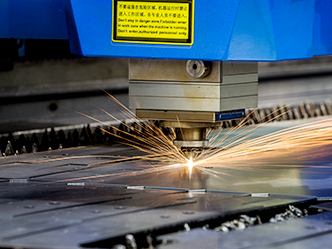
LASER Cutting: Providing high-pressure assist gas for cutting metals.
Pharmaceuticals: Inerting and pneumatic conveyance of sensitive powders.
3. Moisture and Contamination Control
In an air compressor system, a significant amount of engineering goes into removing water. This includes aftercoolers, air dryers (refrigerated or desiccant), and filters to separate oil and liquid water from the compressed air stream.
A nitrogen compressor receives gas that is already dry and pure. Therefore, its internal system does not need to remove moisture. Instead, it must be perfectly sealed against the ingress of atmospheric moisture and contaminants.
Can You Use an Air Compressor for Nitrogen?
This is a critical safety and technical point. You should never use a standard air compressor designed for ambient air to compress pure oxygen or nitrogen from a cylinder.
Safety Hazard: Using an oxygen-compatible air compressor with the wrong gas or vice versa can lead to catastrophic failure due to fire or explosion, especially in the presence of lubricating oils.
Contamination: An air compressor’s internal environment is not clean. Using it for pure nitrogen would contaminate the gas, defeating the purpose of its high purity.
Seal Damage: As mentioned, the dry nature of pure nitrogen can damage standard rubber seals, leading to leaks and compressor failure.Choosing the Right Machine for Your NeedsThe choice is straightforward:
Choose an Air Compressor if: You need a versatile source of power for tools, general plant air, or any application where the presence of oxygen and some moisture is not an issue.
Choose a Nitrogen Compressor if: Your process depends on the inert, dry properties of high-purity nitrogen. This is a specialized machine for critical applications where contamination is not an option.
Conclusion
While they may look similar, a nitrogen compressor and an air compressor are fundamentally different tools for different jobs. The air compressor is the workhorse of the workshop, compressing the air we breathe for power and control. The nitrogen compressor is a precision instrument, designed to handle a specific, pure gas for sensitive, high-tech, and safety-critical industrial processes. Understanding their distinct roles, designs, and applications is essential for selecting the right equipment, ensuring operational efficiency, and maintaining safety.
Note: This document is provided in text format. You can copy and paste this content into your preferred document editor (like Microsoft Word or Google Docs) for further formatting and distribution.


 High speed direct drive twin screw oil-free air c
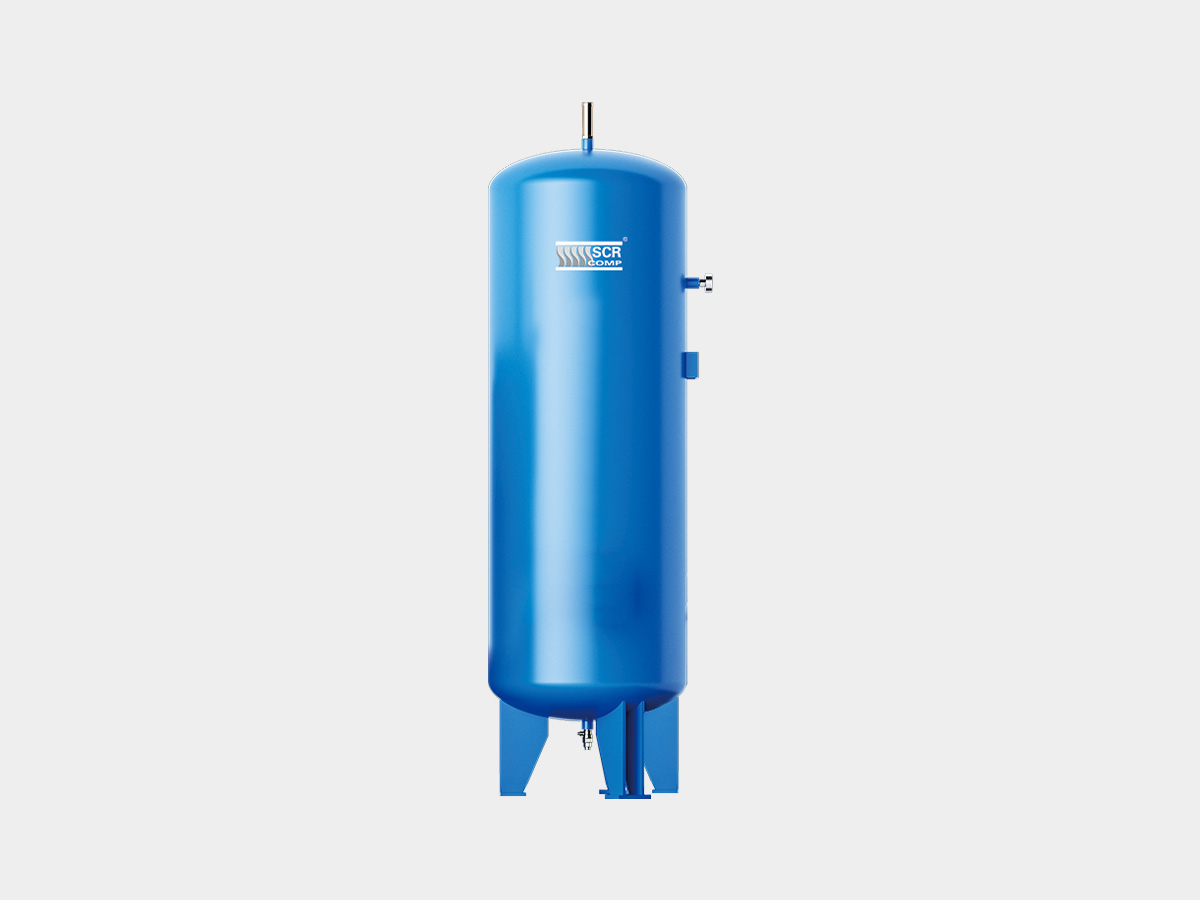 Air Tank
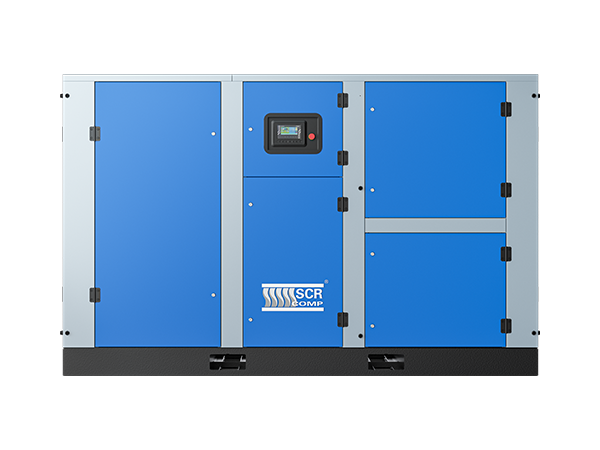 Low pressure Permannent Magnetic VSD screw air c
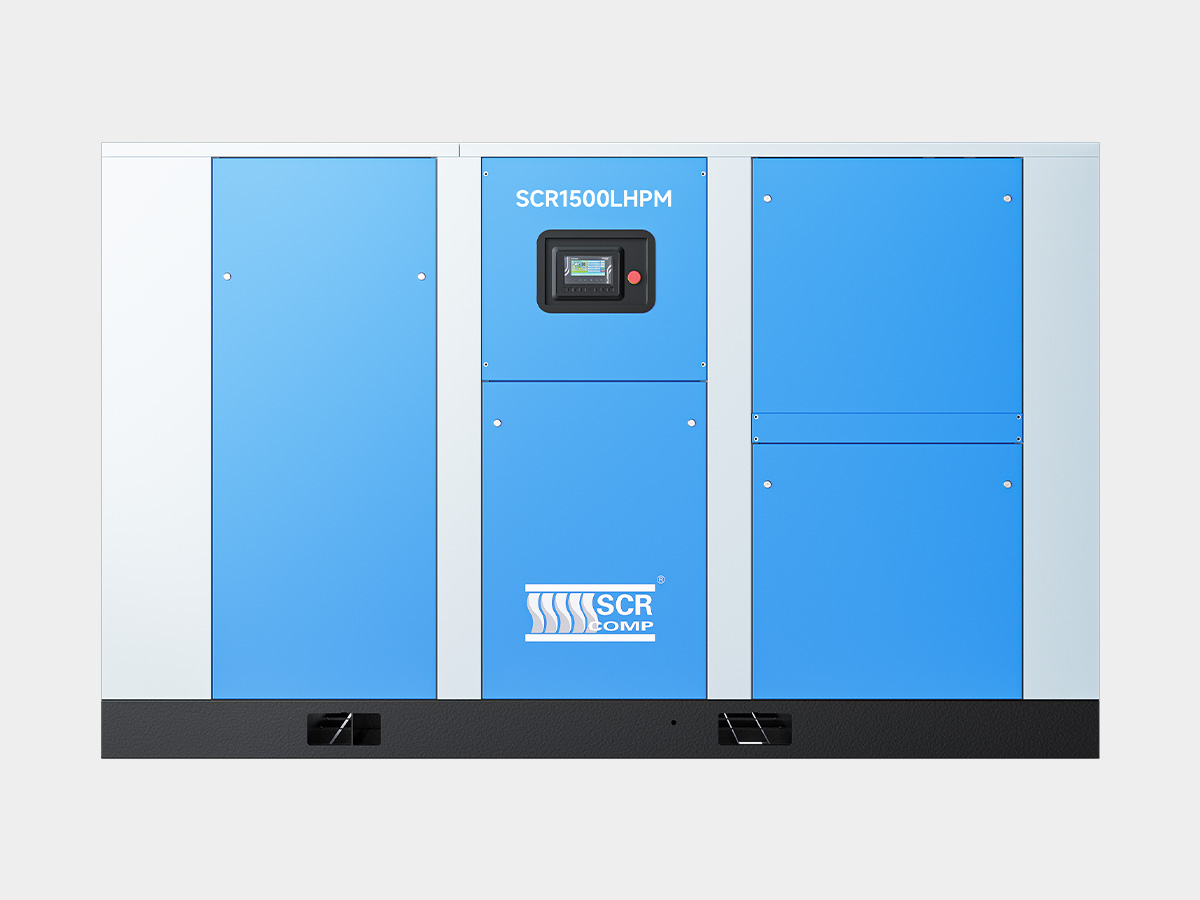 low pressure Two stages screw compressor LH/LHPM
 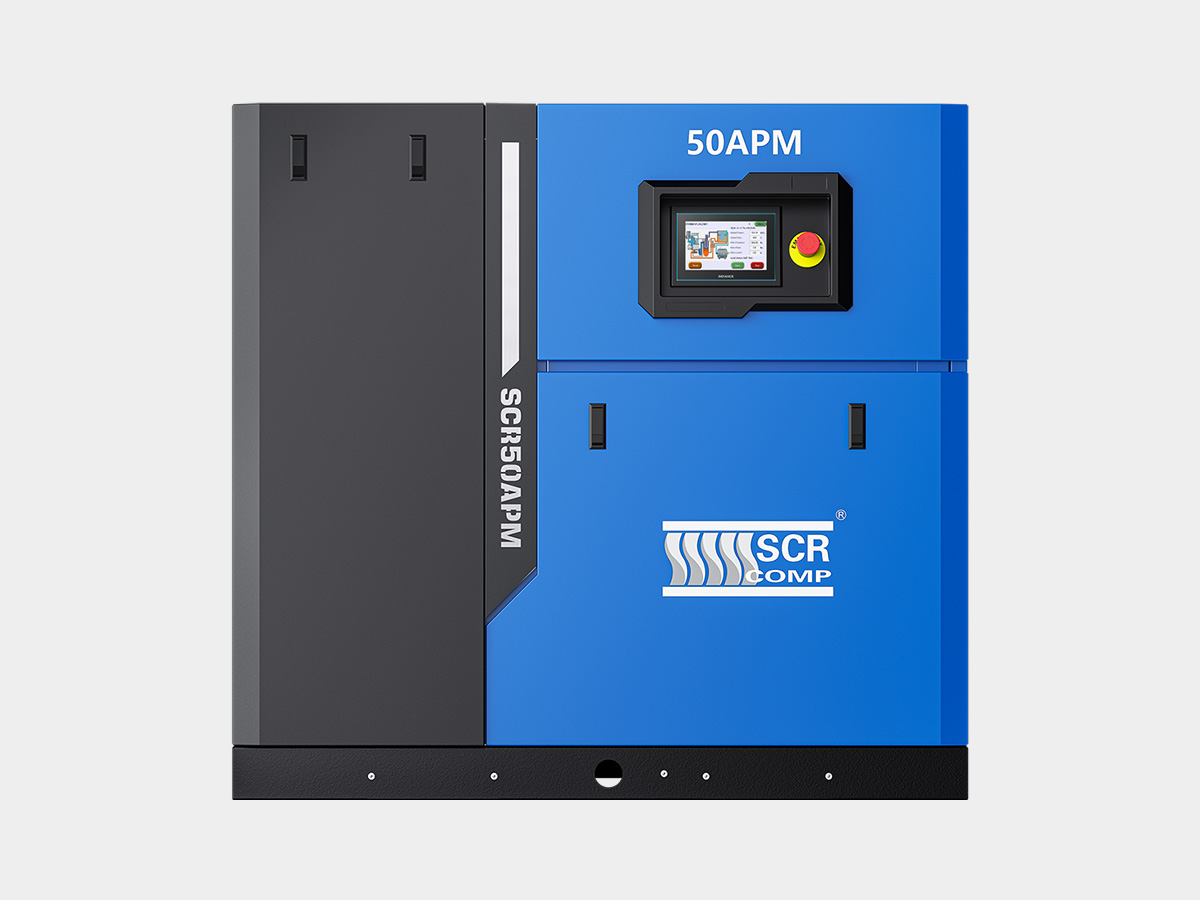 Permanent Magnetic VSD Screw air compressor APM s
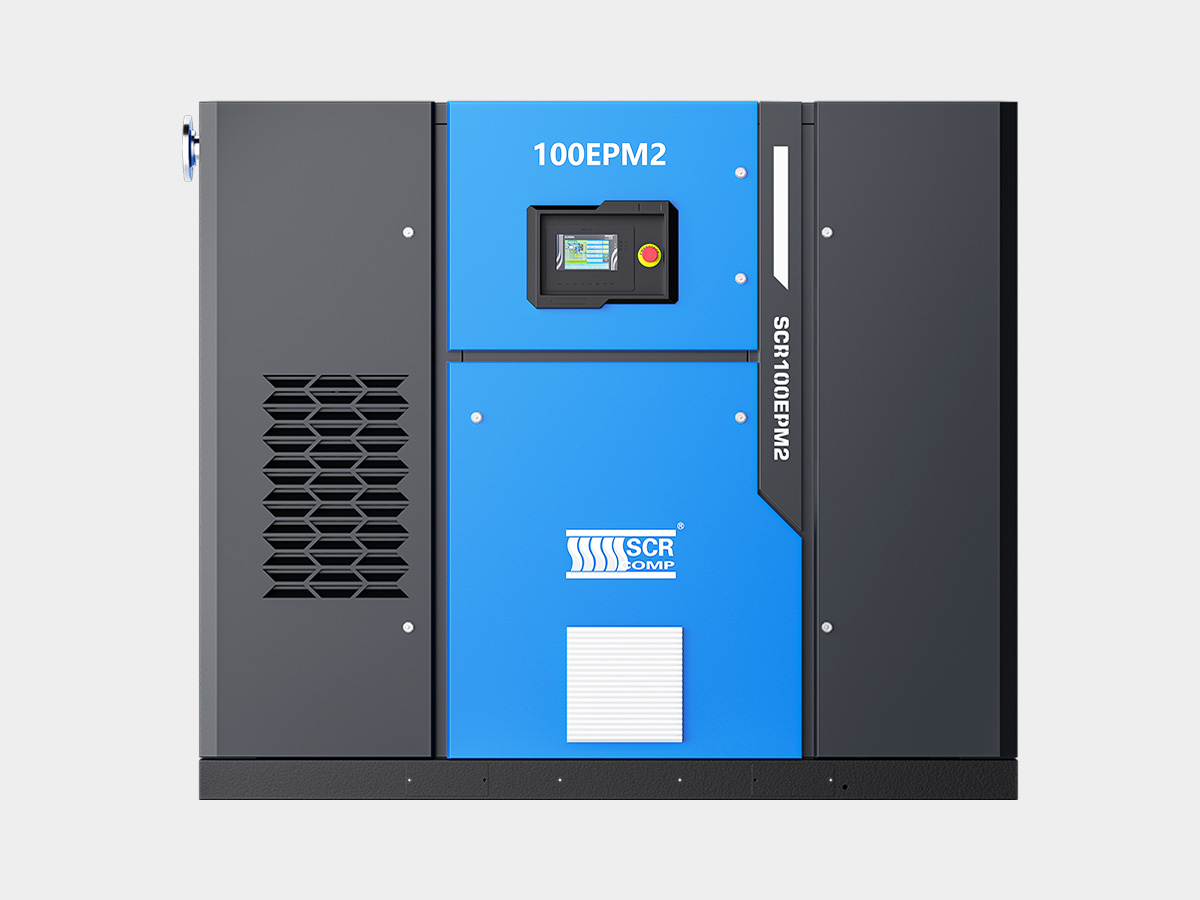 Permanent Magnetic VSD Screw air compressor EPM/E
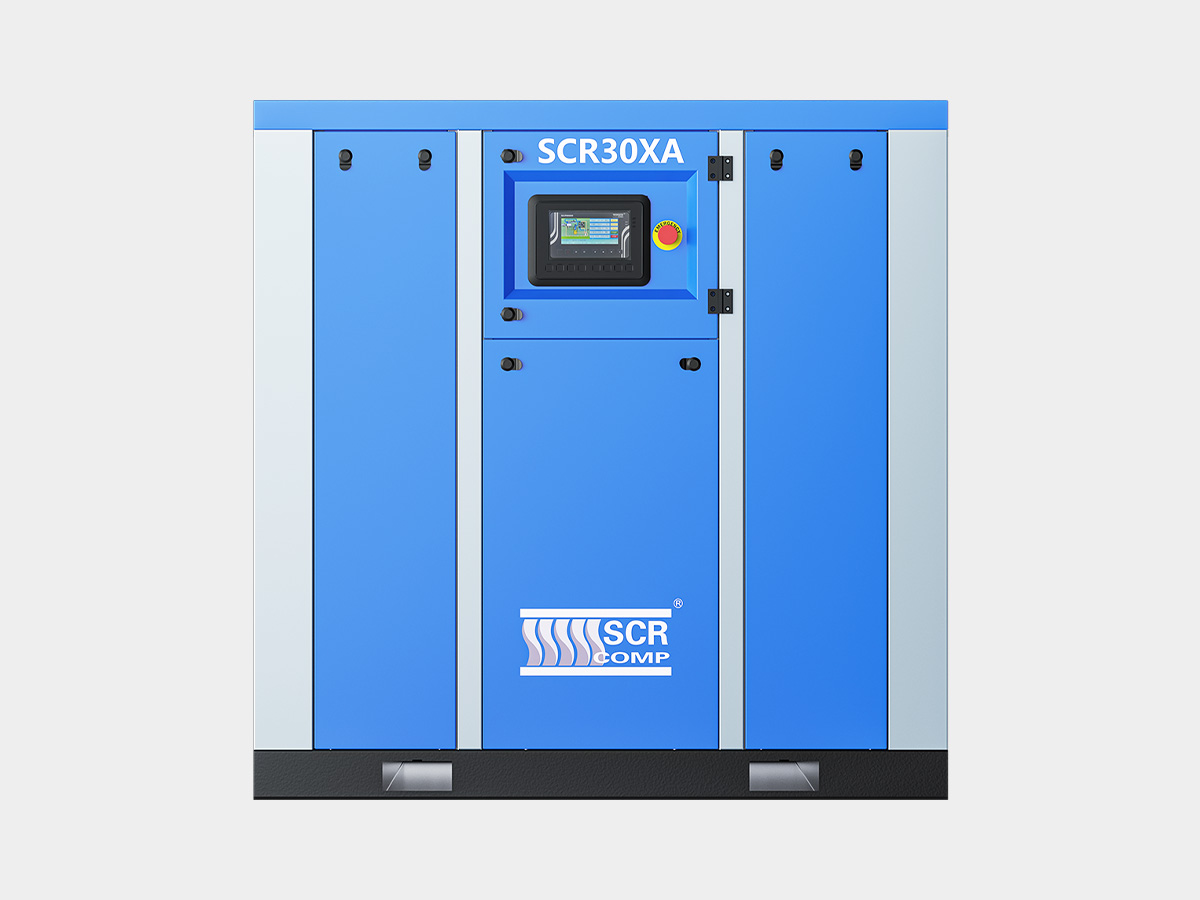 Oil Free Scroll Compressor XA series
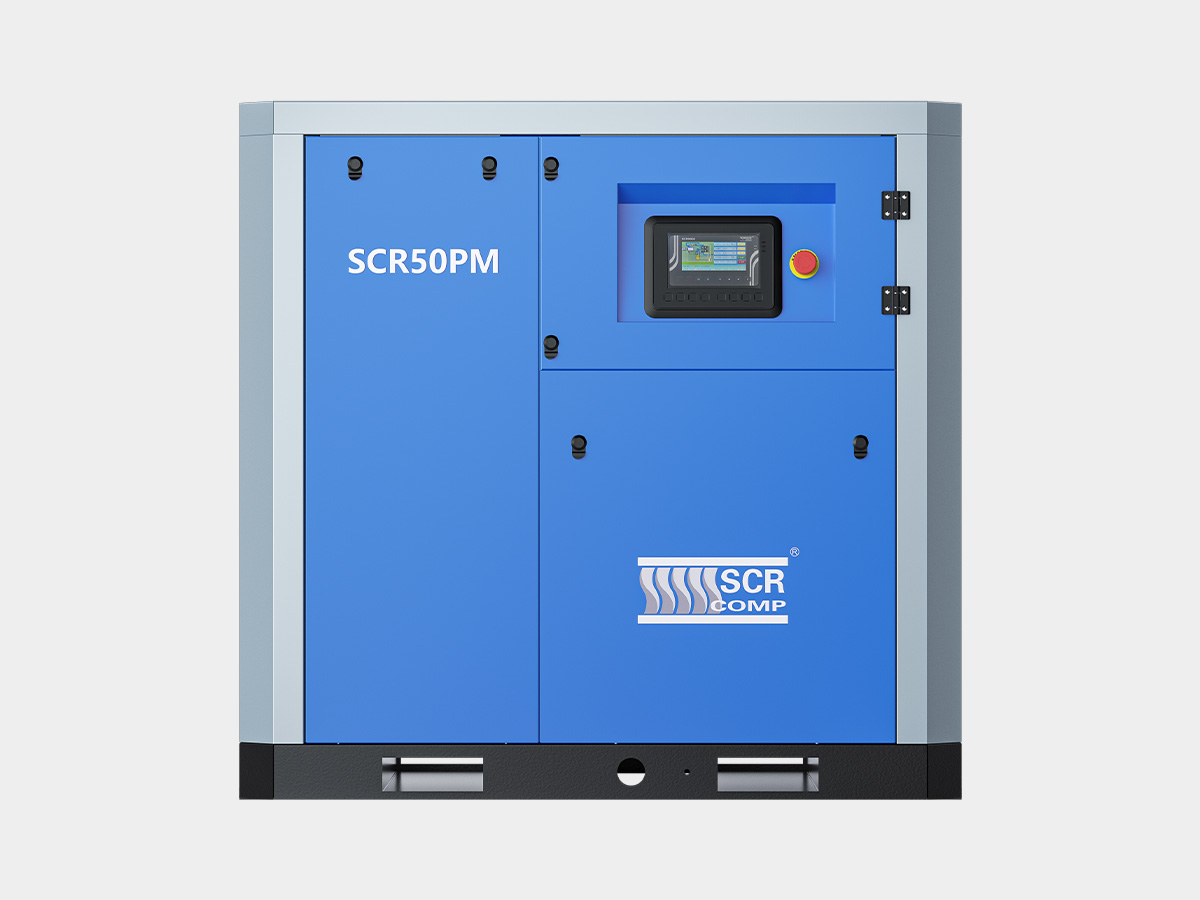 Permanent Magnetic VSD Screw air compressor PM se