What Is a Screw Compressor? A Comprehensive Guide
Curious about screw compressors? This comprehensive guide explains what a screw compressor is, how it works, its key advantages, and where it's used. Learn why it's a preferred choice for industrial air power.
What Is a Screw Compressor?

In the world of industrial machinery and compressed air systems, one name consistently stands out: the screw compressor. But what exactly is a screw compressor, and why has it become the backbone of countless manufacturing plants, workshops, and large-scale facilities?
Put simply, a screw compressor is a type of rotary compressor that uses two intermeshing helical screws (rotors) to compress air or gas. Known for their reliability, efficiency, and continuous operation capabilities, screw compressors have largely replaced older, less efficient piston compressors in many industrial applications.
This article will delve into the inner workings of screw compressors, explore their different types, highlight their key benefits, and examine their common applications.
How Does a Screw Compressor Work?
The fundamental principle behind a screw compressor is surprisingly straightforward, relying on positive displacement. Here’s a step-by-step breakdown of the process:
-
Intake: Ambient air is drawn into the compressor through an intake filter, which removes dust and debris.
-
Trapping: The clean air enters the compression chamber, which houses two precisely machined, helical rotors—a male (drive) rotor and a female (driven) rotor. As these rotors turn in opposite directions, air is trapped in the pockets between them and the housing.
-
Compression: As the rotors continue to rotate, the volume of the trapped air pockets is progressively reduced. This reduction in volume forces the air to compress, causing its pressure to increase significantly.
-
Discharge: Once the air reaches the desired pressure, it is pushed toward the discharge end and expelled into the air receiver or directly into the system.
This continuous, pulsation-free process is what sets screw compressors apart from the cyclic, vibration-heavy operation of piston compressors.
Main Types of Screw Compressors
Screw compressors are primarily categorized based on their compression method:
This is the most common type. In an oil-injected screw compressor, oil is injected into the compression chamber. It serves three critical functions:
-
Sealing:It creates a seal between the rotors and the housing, preventing internal air leakage.
-
Cooling:It absorbs the heat generated during compression.
-
Lubrication: It lubricates the moving rotors and bearings.
The oil is then separated from the compressed air in an oil separator, cooled in an oil cooler, and recirculated back into the system. These compressors are robust, cost-effective, and suitable for a wide range of applications.
In applications where absolutely clean, contaminant-free air is critical (such as in food and beverage, pharmaceuticals, or electronics manufacturing), oil-free screw compressors are used. They employ specially designed rotors that do not come into contact with each other, eliminating the need for oil in the compression chamber. This is achieved through:
-
Timing Gears: These synchronize the rotation of the rotors, maintaining a precise gap.
-
Dry-Film Coatings: The rotors are coated with a low-friction material.
Because there is no oil to remove heat, oil-free compressors often use multiple stages with intercoolers to manage temperatures.
Key Advantages of Screw Compressors
The widespread adoption of screw compressors is driven by several compelling advantages:
-
High Efficiency and Energy Savings:Especially at full load, screw compressors are highly efficient. Variable Speed Drive (VSD) models can further optimize energy use by matching motor speed to air demand.
-
Continuous Operation: Unlike piston compressors that require rest cycles, screw compressors are designed for 24/7 operation, making them ideal for demanding industrial environments.
-
Low Noise and Vibration: Their rotary motion is inherently balanced, resulting in much quieter and smoother operation than piston alternatives. This often allows them to be placed directly in the workspace without special foundations.
-
Durability and Low Maintenance: With fewer moving parts and no wearing components like valves and pistons, screw compressors require less maintenance and have a longer service life.
-
Compact Footprint: They offer a high power-to-size ratio, saving valuable floor space.
Common Applications of Screw Compressors
The versatility of screw compressors makes them suitable for a vast array of industries, including:
-
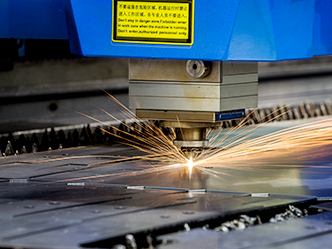
Manufacturing: Powering pneumatic tools, robotics, and assembly lines.
-
Food & Beverage: For packaging, bottling, and handling processes where air purity is paramount (often requiring oil-free models).
-
Pharmaceuticals: In drug manufacturing and packaging that demands sterile, contaminant-free air.
-
Automotive: Used in painting, spraying, and operating impact wrenches and lifts.
-
Construction: Providing reliable air for sandblasting, drilling, and pneumatic breaking.
-
Agriculture: Powering dairy machines and grain handling systems.
Screw Compressor vs. Piston Compressor: A Quick Comparison
Feature
|
Screw Compressor
|
Piston Compressor
|
Operation
|
Continuous, rotary motion
|
Cyclic, reciprocating motion
|
Efficiency
|
High at full load; excellent with VSD
|
Lower, efficiency drops at part load
|
Noise/Vibration
|
Low
|
High
|
Maintenance
|
Low, less frequent
|
High, more frequent
|
Duty Cycle
|
100% (Continuous)
|
50-60% (Requires rest cycles)
|
Initial Cost
|
Higher
|
Lower
|
Best For
|
High-demand, continuous applications
|
Intermittent, low-budget applications
|
Conclusion
So, what is a screw compressor? It is a highly efficient, reliable, and versatile workhorse of modern industry. By providing a continuous supply of compressed air with minimal maintenance and operational costs, it has rightfully earned its place as the go-to technology for businesses that depend on reliable air power. Whether you're running a small workshop or a massive manufacturing plant, understanding the benefits of a screw compressor is the first step toward making an informed investment in your facility's productivity.
FAQ: Frequently Asked Questions
Q: How long does a screw compressor last?
A: With proper maintenance, a high-quality screw compressor can last between 60,000 to 100,000 operating hours, often translating to 10-15+ years of service.
Q: What maintenance does a screw compressor require?
A: Key maintenance tasks include regular oil and filter changes (for oil-injected models), checking and replacing the air intake filter, draining condensate, and inspecting for leaks.
Q: Are screw compressors better than piston compressors?
A: For most industrial and continuous-use applications, yes. They are more efficient, reliable, and quieter. Piston compressors may be a more economical choice for very low-duty or intermittent use.
Q: What does VSD mean in screw compressors?
A: VSD stands for Variable Speed Drive. A VSD screw compressor can adjust its motor speed to precisely match the air demand, leading to significant energy savings, especially in applications with fluctuating air needs.


 High speed direct drive twin screw oil-free air c
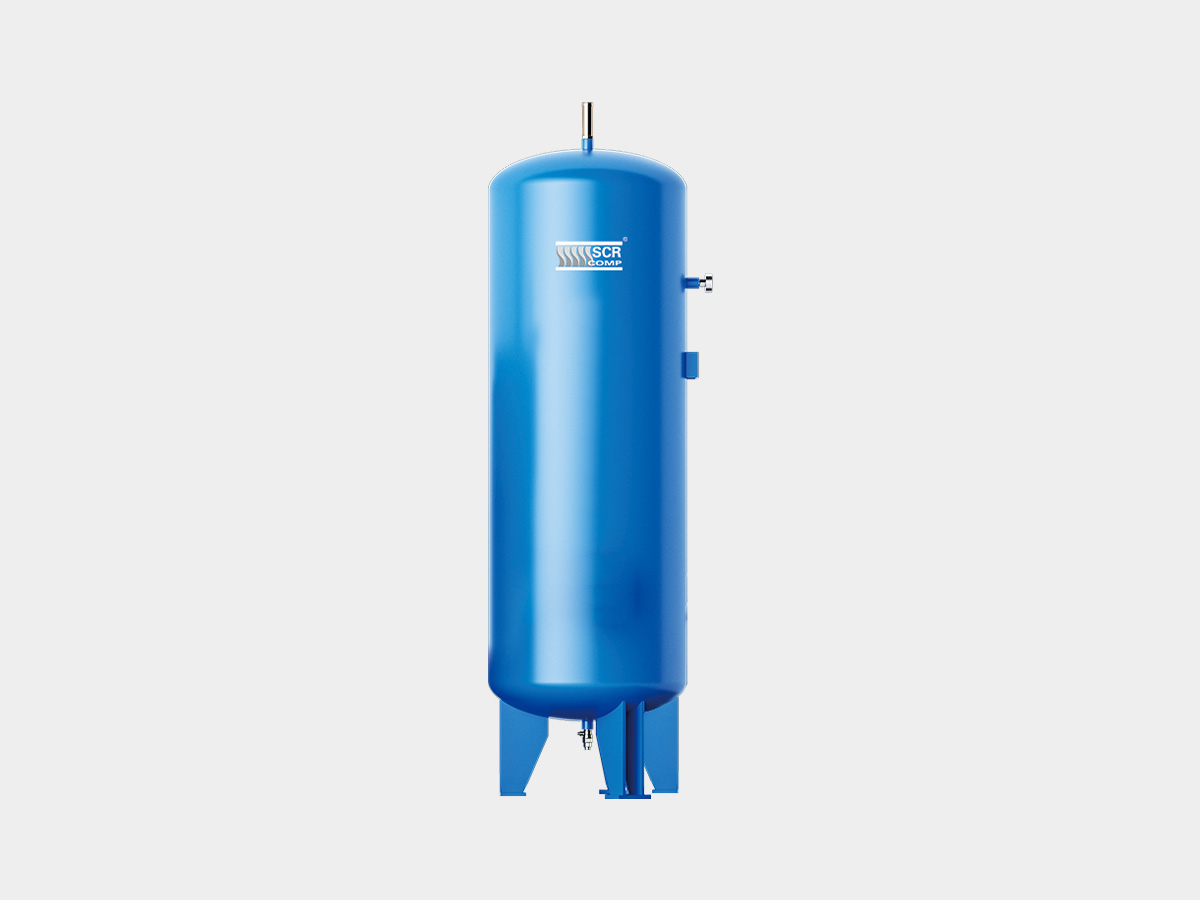 Air Tank
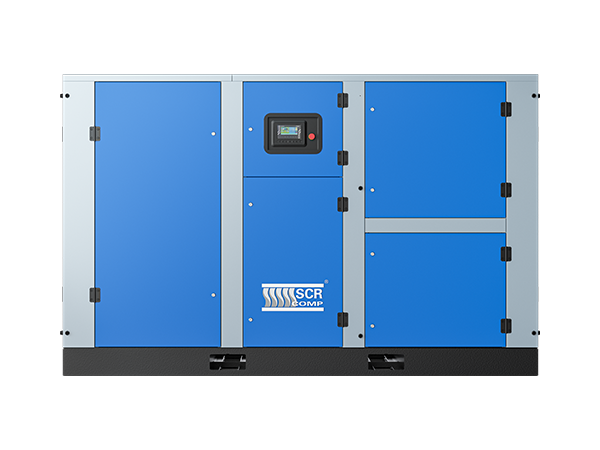 Low pressure Permannent Magnetic VSD screw air c
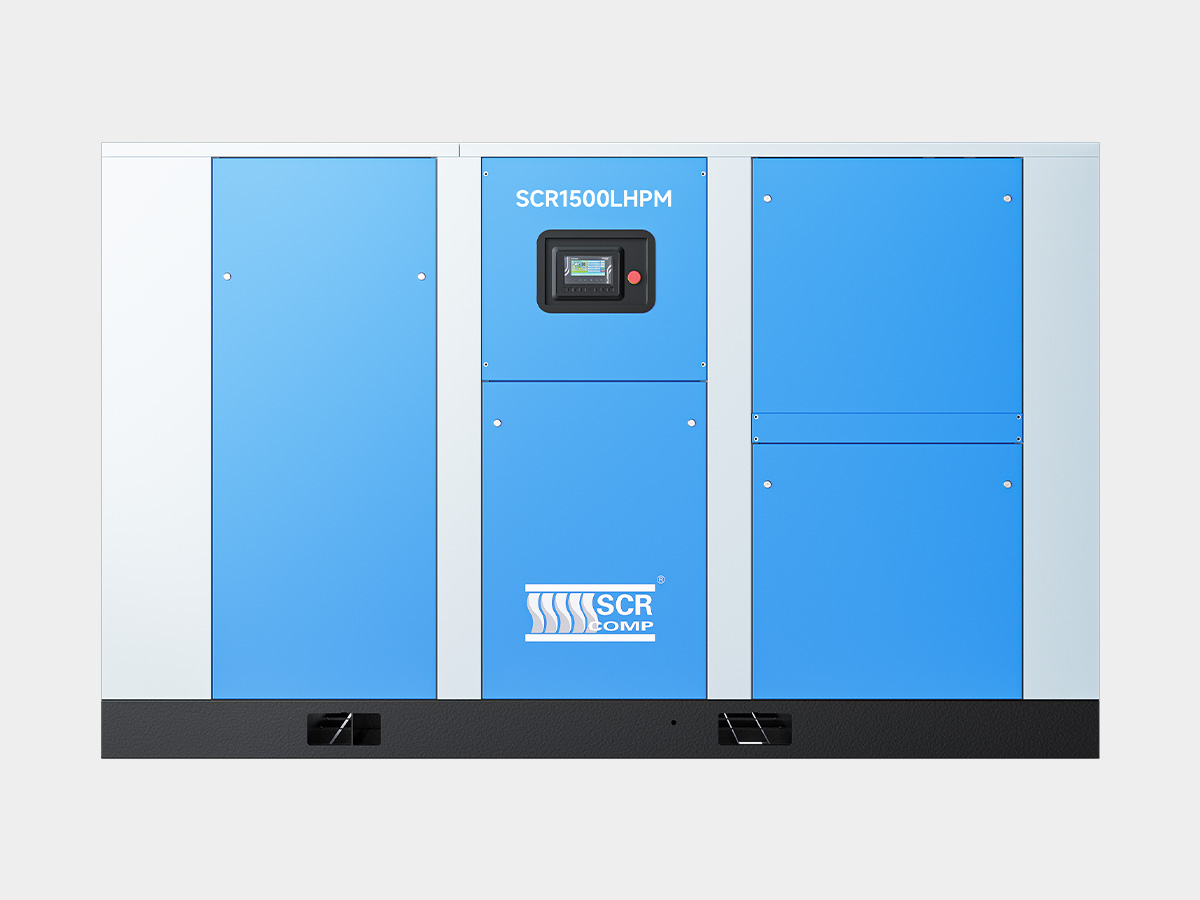 low pressure Two stages screw compressor LH/LHPM
 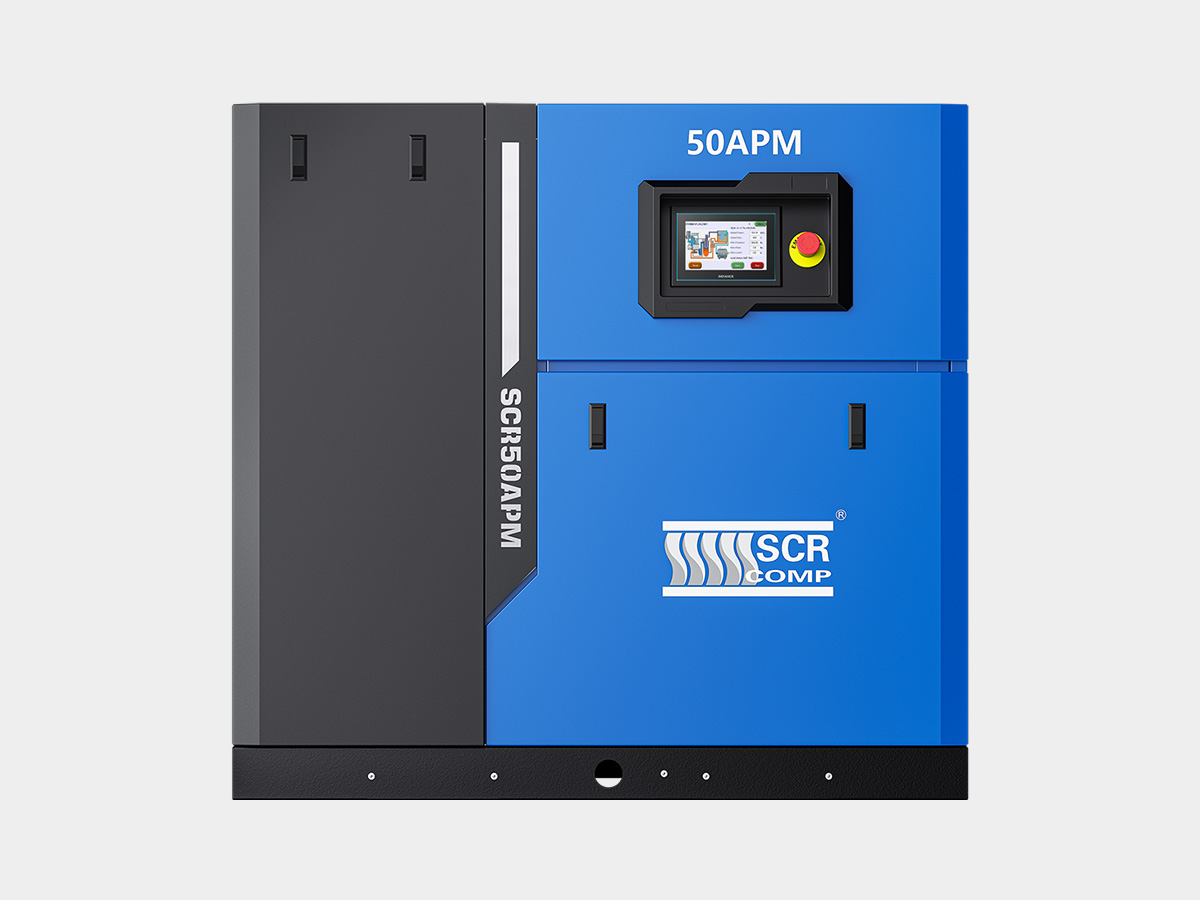 Permanent Magnetic VSD Screw air compressor APM s
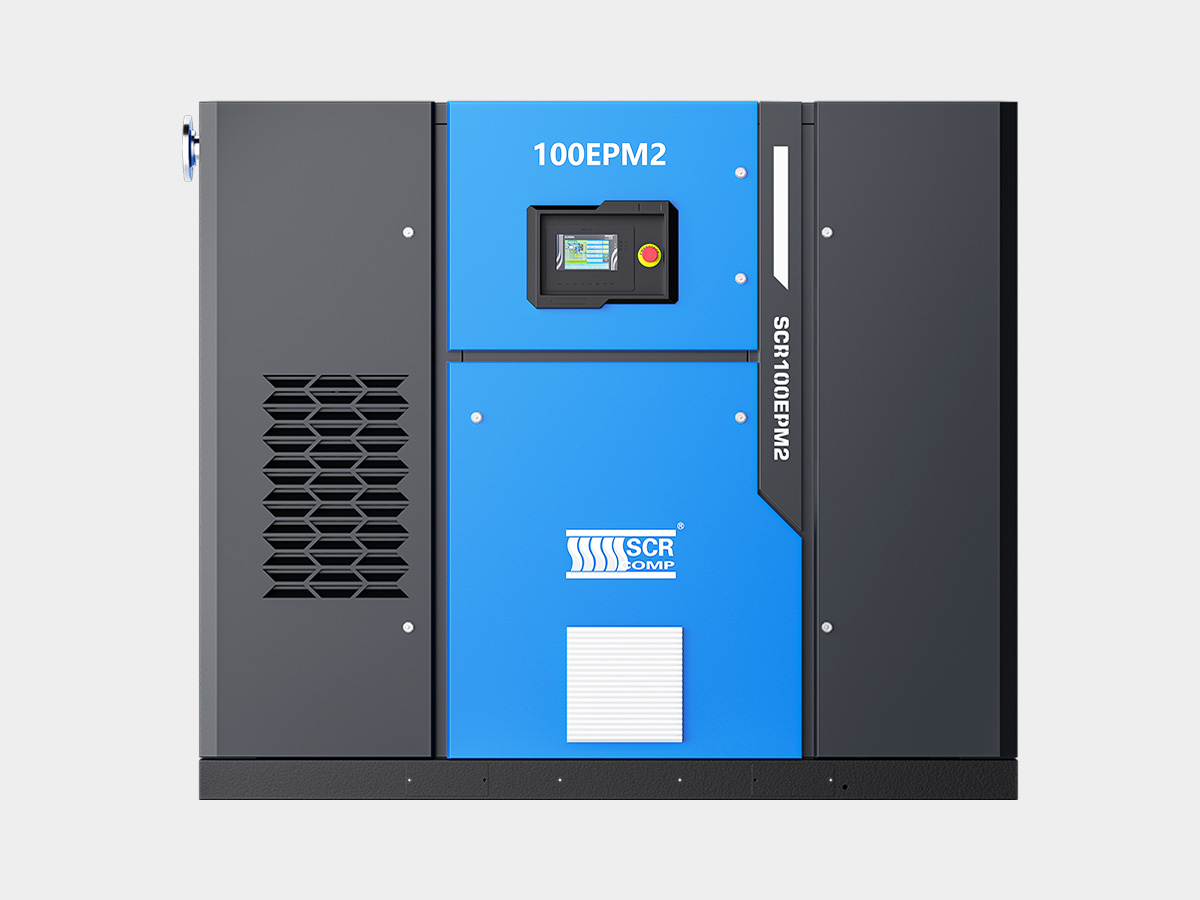 Permanent Magnetic VSD Screw air compressor EPM/E
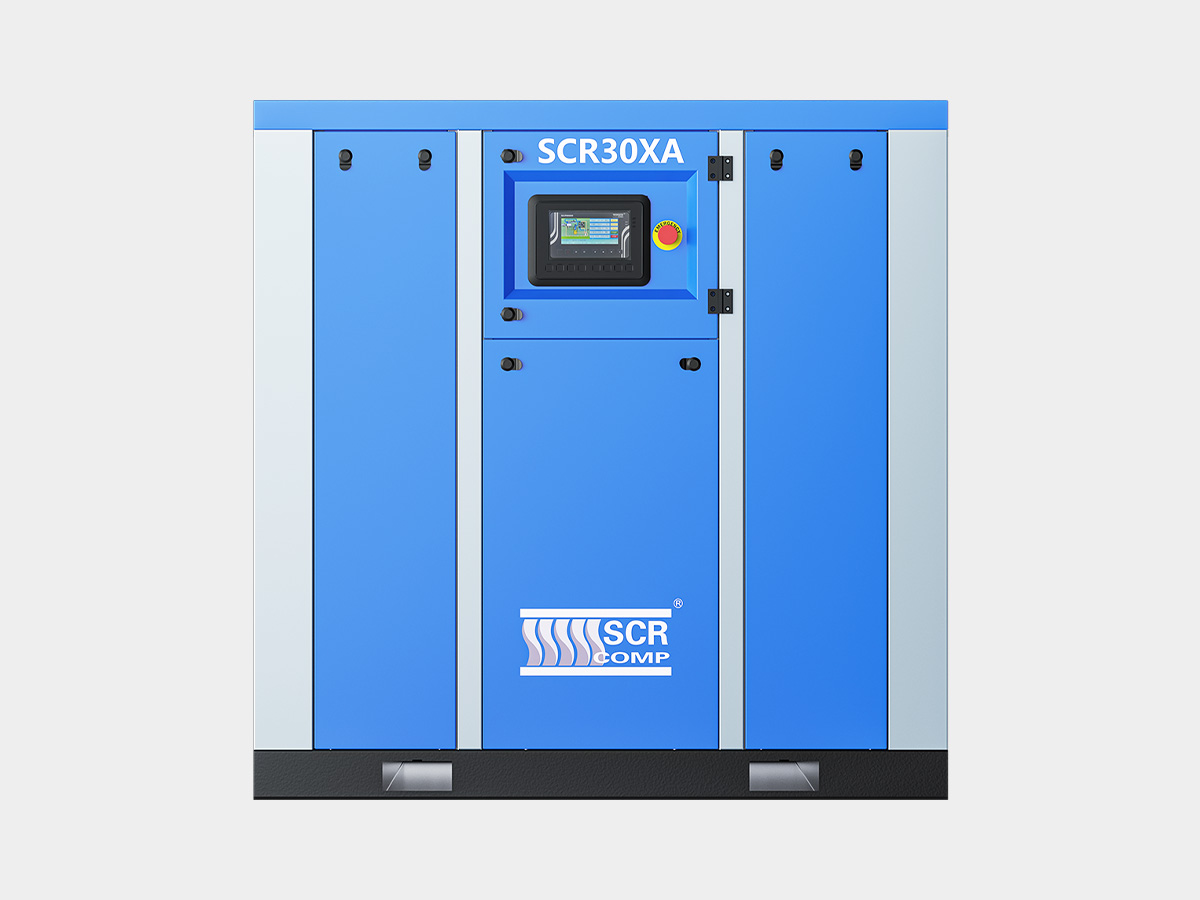 Oil Free Scroll Compressor XA series
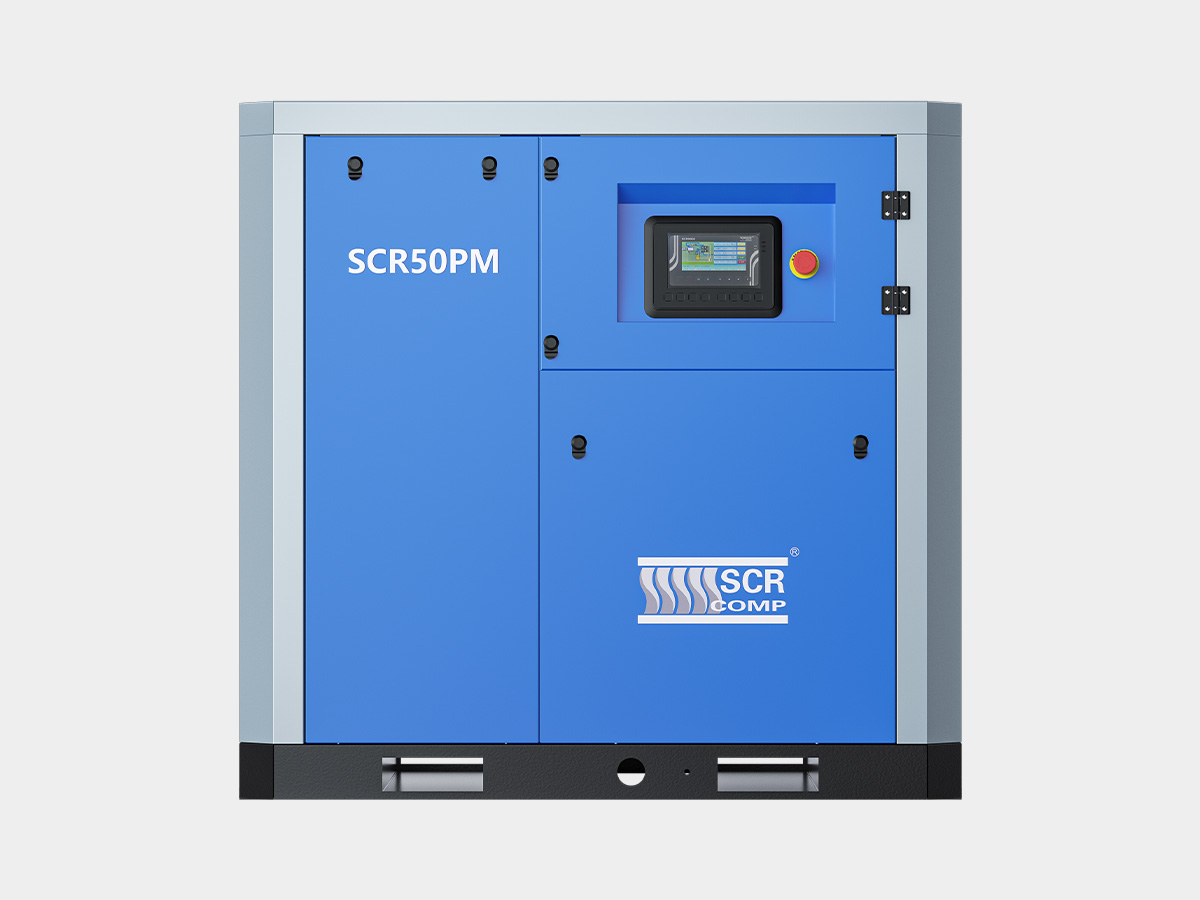 Permanent Magnetic VSD Screw air compressor PM se